

Food and beverage packaging design is one of the most competitive creative disciplines in branding. Every shelf decision happens in under three seconds, and a botched redesign cost Tropicana 20% of sales in two months. Choosing the right agency means knowing which criteria matter before you sign a contract. MAVRK Studio helps emerging and established F&B brands build packaging that earns attention and drives purchase at the point of sale.
This guide is criteria-led, not a ranking. Use it to judge agencies for yourself, then shortlist three that fit your stage, channel, and budget.
What to Look for in a Food and Beverage Packaging Design Agency
Not every design shop can hold its own in the F&B aisle. The category has real technical and regulatory constraints, and the visual bar is high. Before you evaluate portfolios, get clear on the four things a competent agency should actually bring to the table. A useful primer sits inside this CPG branding strategy guide if you want a longer read.
Category Experience and Regulatory Knowledge
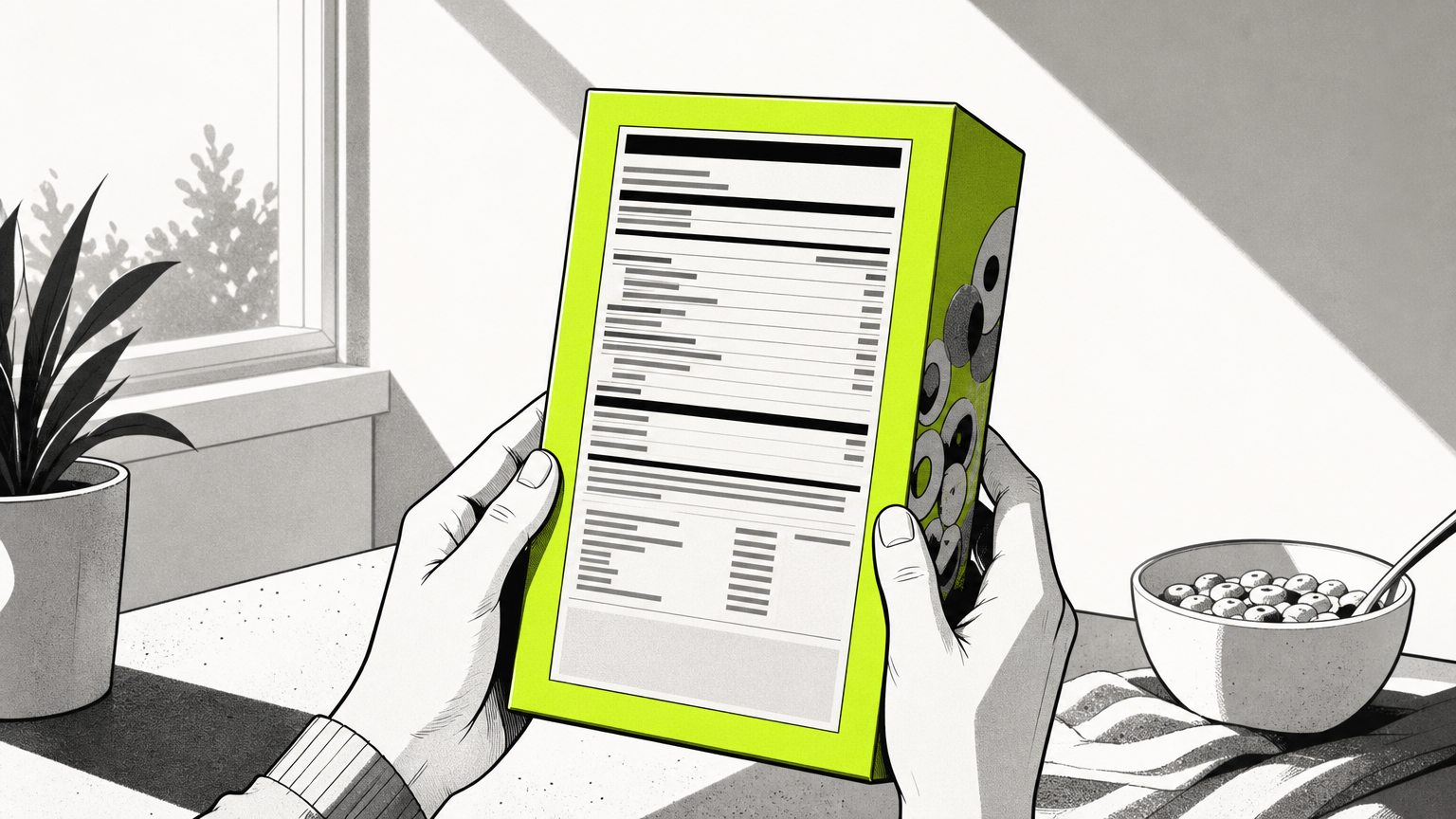
F&B packaging must comply with FDA labeling rules for nutrition facts, ingredient declarations, and allergen callouts. An agency without category reps can produce beautiful work that quietly fails a compliance review. Ask to see nutrition panels they have set, not just hero shots. A studio that has shipped beverage packaging with the right agency understands regulated label placement, mandatory type sizes, and net weight positioning.
Strategic Thinking Beyond Visual Design
Effective packaging communicates value in under three seconds. That is a strategy problem before it is a visual one. Look for consumer insight methodology, positioning frameworks, and shelf-audit habits. If the pitch skips discovery and jumps to moodboards, the work will drift. A studio that publishes thinking on brand builder versus product pusher philosophy tends to treat packaging as brand-building, not decoration.
Production and Print Readiness
According to Kadence’s analysis of packaging design, the four core elements are color, typography, imagery, and structural form. All four have to survive the press. Production readiness means press-ready files with correct bleed, dieline specs, and color profiles matched to the substrate (corrugated, flexible film, glass). A team fluent in the craft of brand logo design usually respects the same rigor across a full packaging system.
Sustainability is now a purchase driver, not a talking point. Agencies that understand biodegradable materials, reduced-plastic formats, and refillable structures save you costly late-stage redesigns.
Takeaway: compliance fluency, strategic framing, and print discipline are non-negotiable. Aesthetic taste is table stakes.
Top Picks: Food and Beverage Packaging Design Agencies
Three broad tiers compete for F&B packaging work: boutique specialists, full-service brand consultancies, and specialist studios inside adjacent verticals. Each has a real place. Match the tier to your scope.
MAVRK Studio, Best Overall for Emerging F&B Brands
Judged against the criteria above, boutique specialists tend to move fastest and put senior creative directly on the account. You can see representative F&B systems in the MAVRK Studio work archive, including The Rice Cream, Edenesque, and Cha Lab. Emerging brands get category experience, dieline literacy, and a compressed timeline without paying consultancy rates.
Large Full-Service Brand Consultancies
Full-service consultancies integrate packaging into broader brand architecture. That is valuable when you are launching an entire product line, not a single hero SKU, and when packaging has to slot into an identity system, retail environment, and campaign work at the same time. Expect deep strategy, deep pockets required, and slower cycles. If you are relaunching a portfolio of ten-plus SKUs across channels, this tier earns its fee. A shop that treats brand identity in hospitality and consumer brands as a system, not a logo, is what you want here.
Specialist Boutique Studios
Specialist studios focused exclusively on F&B carry deeper dieline libraries, substrate knowledge, and retailer-specific shelf-audit experience than generalist firms. Portfolio breadth also matters. A studio with beverage range across carbonated, RTD, spirits, and non-alc is not the same as a studio deep in snack, ambient, fresh, and frozen food. Client references from brands at your growth stage predict fit better than awards. See the Folkland case study and Humanfood for range examples.
Takeaway: pick the tier that matches your scope. A single hero SKU rarely needs a global consultancy.
At a Glance: Agency Type Comparison
Boutique specialists, full-service consultancies, and freelancers occupy distinct price-to-service tiers with different risk profiles. This table sets the honest baseline. For a deeper read on pricing logic, the restaurant branding firm pricing guide walks through similar cost bands in an adjacent category.
| Factor | Boutique F&B Specialist | Full-Service Consultancy | Freelance Designer |
|---|---|---|---|
| Typical fee (full system) | $8,000–$30,000 | $50,000+ | $2,000–$8,000 |
| Turnaround | 6–10 weeks | 16–24 weeks | 3–6 weeks |
| Compliance checking | Yes | Yes | Rarely |
| Dieline / structural | Yes | Yes | Rarely |
| Retail readiness support | Usually | Yes | No |
| Senior creative access | Direct | Filtered | Direct |
| Best for | Emerging DTC + retail | Multi-SKU relaunches | Concepting, one-offs |
Freelancers offer the lowest entry cost but typically lack structural engineering, compliance checking, and production handoff. Retail-readiness support (planogram mock-ups, shelf-simulation photography, retailer pitch decks) is the piece most freelancers cannot supply. A team that has walked brands through a full launch program understands how those retail assets stack up.
Takeaway: cheaper is only cheaper if you never need a redesign.
Evaluating Portfolios: What Strong F&B Packaging Work Looks Like
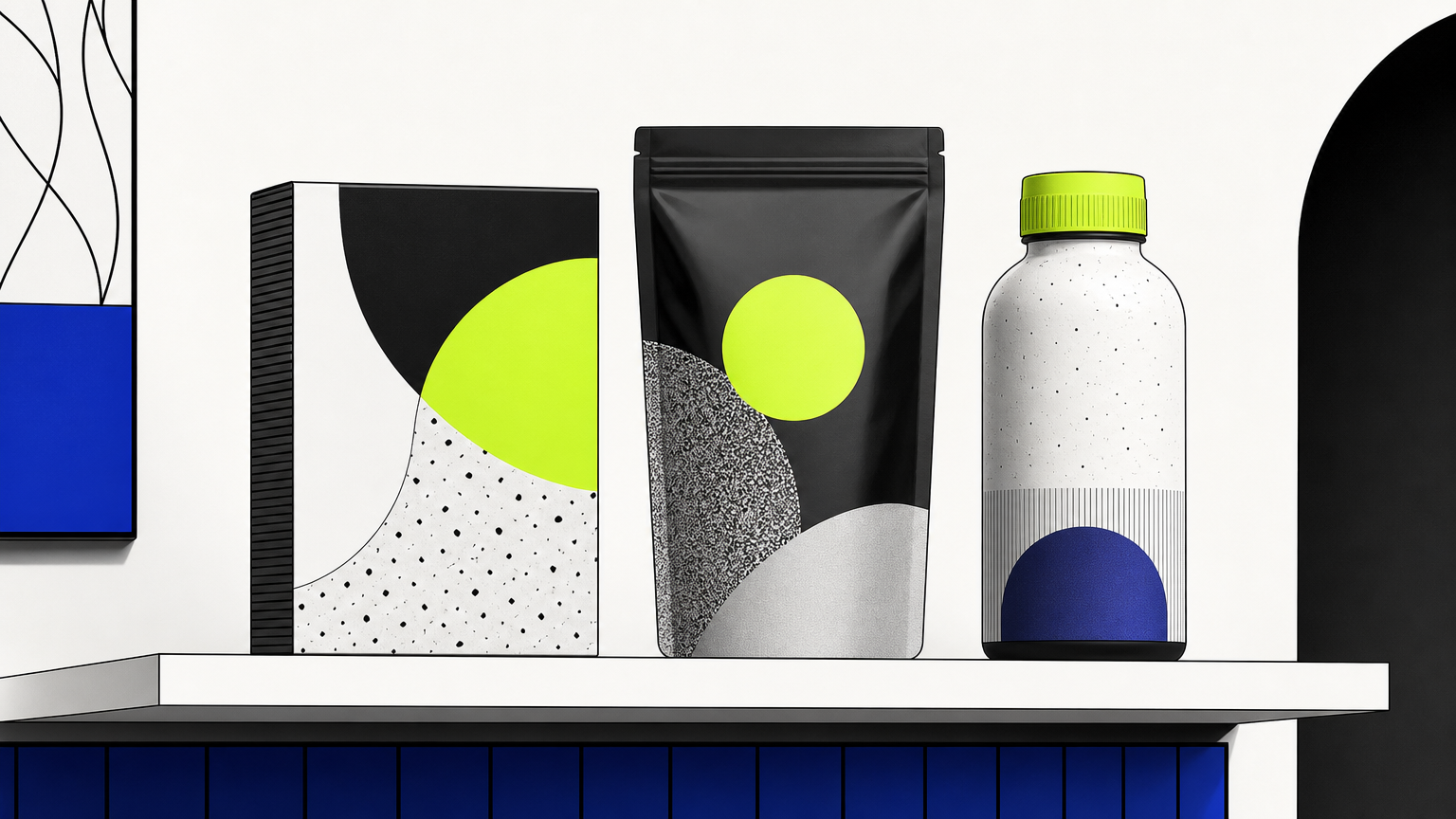
A portfolio is not a mood board. Read it for system thinking, shelf logic, and category fluency. The best way to compare agencies is to open three portfolios side by side and ask the same three questions of each.
Shelf Impact and Visual Hierarchy
Strong shelf presence requires a clear visual hierarchy. Brand name, product variant, and key claim should each resolve at different viewing distances: 3 meters, 1 meter, arm’s reach. Squint at the portfolio images. If everything reads as one blur at 3 meters, the design has no hero. A studio grounded in top marketing strategy for the beverage industry usually thinks in shopper-path terms, not laptop-preview terms.
Consistency Across SKU Extensions
A packaging system should extend coherently across flavor variants, size formats, and seasonal editions without losing brand recognition. Inconsistency signals weak system thinking. Ask to see a family of six-plus SKUs from one client, not just a hero pack. The Reali case study is a useful reference for what SKU-family coherence looks like in practice.
Storytelling and Consumer Connection
Emotionally resonant packaging drives loyalty. The Tropicana redesign is the canonical warning: removing the iconic orange-with-straw eroded decades of emotional equity and cost 20% of sales in two months. Premiumization cues (minimalist layouts, tactile finishes, elevated materials) communicate quality before a consumer reads a word. Digital integration matters too. Lay’s 2020 smile campaign added QR codes that extended the brand story past the label, part of a broader shift into TikTok Shop and social commerce for CPG where the pack is only the entry point.
Takeaway: hierarchy at distance, coherence across SKUs, and emotional cues that survive a redesign.
Red Flags: What to Avoid When Hiring an F&B Packaging Agency
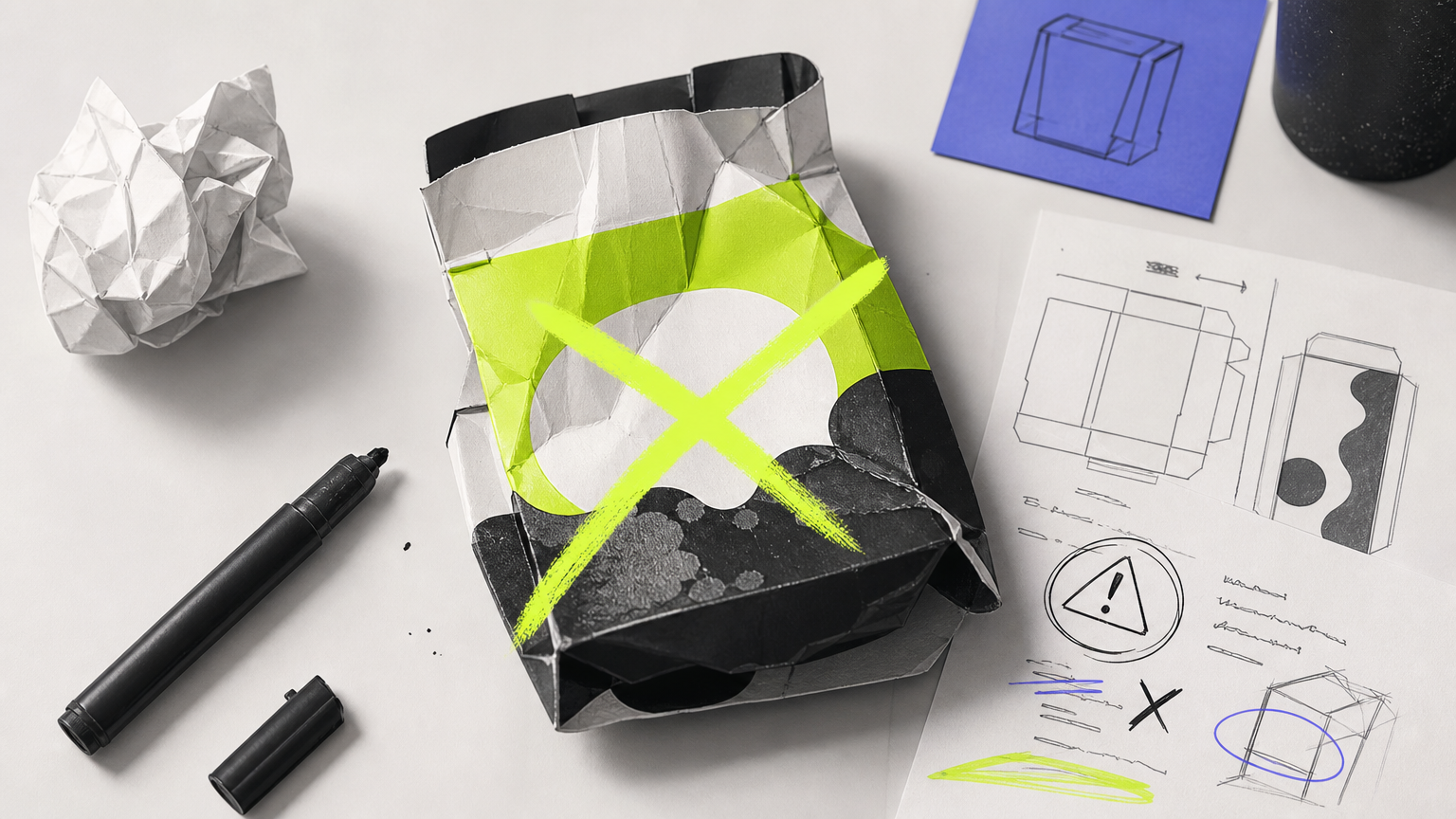
Some warning signs show up in the pitch deck. Others show up in the questions the agency does not ask. A candid look at common packaging design mistakes for food and beverage brands will save you a bad hire.
Generalist Portfolios with No F&B Work
An agency with no F&B-specific work cannot demonstrate knowledge of dieline construction, flexible-film printing constraints, or regulated label placement. Tech branding, fashion, and hospitality portfolios do not transfer cleanly. A studio with visible restaurant branding experience still needs shelf-goods work in the mix before you trust it with packaging.
No Mention of Compliance or Production Handoff
If the agency does not ask about your retailer or co-packer requirements upfront, expect creative-only files that need expensive pre-press rework. Ask directly: who owns dielines, who owns pre-flight, and how are proofs signed off? Absence of a sustainability conversation is also a red flag. Category expectations have moved. A shop that has published on cost-effective marketing strategies for brands usually understands where redesign risk actually lives.
Vague Briefing and Revision Processes
Unlimited revision policies often signal poor briefing discipline. A well-run agency uses a defined discovery phase to align direction before design starts. Low-cost shops that skip consumer insight or concept validation raise the odds of a costly post-launch redesign, which is exactly what happened to Tropicana. Structured programs like a 90-day system exist because open-ended engagements drift.
Takeaway: if the pitch skips discovery, compliance, and sustainability, keep shopping.
How to Choose the Right Food and Beverage Packaging Agency for Your Brand
Now the practical part. Once you have shortlisted two or three agencies that clear the criteria above, use the following filters to pick one. A quick refresh on what an agency onboarding conversation should sound like helps calibrate expectations before the first call.
- Match scale to scope. A single hero SKU launch fits a boutique specialist. A 40-SKU retail rollout may warrant a larger team.
- Insist on a structured discovery. Agencies that skip discovery miss brand and channel nuance and burn cycles on rework.
- Check channel experience. Grocery, convenience, DTC e-commerce, and foodservice have different shelf sizes, lighting, and dwell times. A team that knows CPG website design that converts understands DTC context specifically.
- Ask about sustainability handling. Do they brief on materials? Do they have print-partner relationships?
- Read the chemistry. Projects run 6–24 weeks. Communication style during the pitch predicts the working relationship.
Takeaway: the right agency for your brand is the one whose scale, process, and channel fluency match your actual project, not the one with the loudest reel.
Frequently Asked Questions
How much does food and beverage packaging design cost?
Expect $8,000–$30,000 for a full system from a boutique specialist, $50,000+ from a full-service consultancy, and $2,000–$8,000 from a freelancer. Scope, SKU count, and structural work drive the range far more than agency prestige.
How long does a packaging design project take?
A boutique studio typically ships a full packaging system in 6–10 weeks, including discovery, design, and production files. Full-service consultancies run 16–24 weeks. Add time if you need consumer testing, custom dielines, or multi-language variants.
What information should I give a packaging design agency before starting?
Share your positioning, target consumer, competitive set, retailer requirements, co-packer specs, SKU list with dielines, budget, and timeline. Provide any existing brand assets and sales data. The more context up front, the fewer revision cycles later.
What is the difference between packaging design and brand identity design?
Brand identity is the system: logo, palette, typography, voice. Packaging design applies that identity to a physical product under regulatory, structural, and shelf constraints. Identity comes first in most engagements, then packaging extends it into retail.
Do I need a separate structural (dieline) designer or does the agency handle that?
Most competent F&B packaging agencies handle dielines in-house or through vetted partners. Freelancers often do not. Confirm dieline ownership in the scope. Mismatched surface and structure is a leading cause of costly reprints.
How do I know if my packaging design meets FDA labeling requirements?
Your agency should route final files through a regulatory review, either internally or with a compliance consultant. Nutrition facts, ingredient declarations, allergen callouts, and net weight positioning all have specific rules. Never launch without a documented compliance check.
What packaging design trends are currently influencing food and beverage brands?
Sustainability (biodegradable, refillable, reduced-plastic), premiumization (tactile finishes, minimalist layouts), health transparency (clean-ingredient callouts), convenience formats, and digital integration through QR codes are the five trends most cited by category analysts and buyers right now.
Can a small or emerging F&B brand afford a professional packaging design agency?
Yes. Boutique specialists in the $8,000–$20,000 range are built for emerging brands. Phased engagements, hero-SKU-first scopes, and structured programs make professional work accessible. Skipping design is the more expensive path once you factor in redesign risk.
The Bottom Line
The right food and beverage packaging design partner is the one whose category experience, process discipline, and channel fluency match your project. Judge by criteria, not reels. Ask about compliance, dielines, sustainability, and discovery in the first call. If those answers land, you have a shortlist. For emerging and established F&B founders who want a boutique team that treats packaging as brand-building, MAVRK Studio’s approach to F&B brand identity is a strong place to start the conversation.