

Building a CPG social media strategy that drives real sales takes more than pretty product photos. Discovery, reputation, creator partnerships, and social commerce now run in parallel across TikTok, Instagram, YouTube, and Pinterest. This guide walks through each stage, from audience research to performance tracking, so your brand can turn engagement into measurable shelf velocity. MAVRK Studio helps CPG founders build strategies wired for conversion, not just reach.
What You Will Need Before You Start

Before you draft a single caption, get the foundation in order. A CPG social program without a locked brand system produces noise, not memory. The prep work below is not glamorous, but it is what separates brands that compound from brands that repost.
Brand identity and tone-of-voice documentation
Document what your brand is and is not on social before publishing anything. Voice, palette, typography, and the way you talk in comments all need one source of truth. A candy brand can be tongue-in-cheek; a functional beverage cannot. Our CPG branding strategy guide walks through the identity artifacts every founder should have on hand before the calendar goes live.
Platform access and analytics baselines
Set baseline metrics on day one: share of voice, brand sentiment, engagement rate, saves, and link-outs to retailer pages. Without a baseline, wins are anecdotes. Confirm admin access across every account, connect analytics, and export a snapshot before the first new post. This is also the moment to review the must-haves for your e-commerce website so DTC tracking lines up with social attribution.
Content and budget resources
Audit what you already own: product photography, lifestyle imagery, UGC in the wild, and creator content from past campaigns. Then lock a paid media floor, an influencer tier target, and the in-house versus agency split before you build the calendar. Founders working from a lean stack should read our take on cost-effective marketing strategies for brands so the budget matches the ambition.
Takeaway: the calendar is the last thing you build, not the first.
Before You Start: Align Social to Business Demand
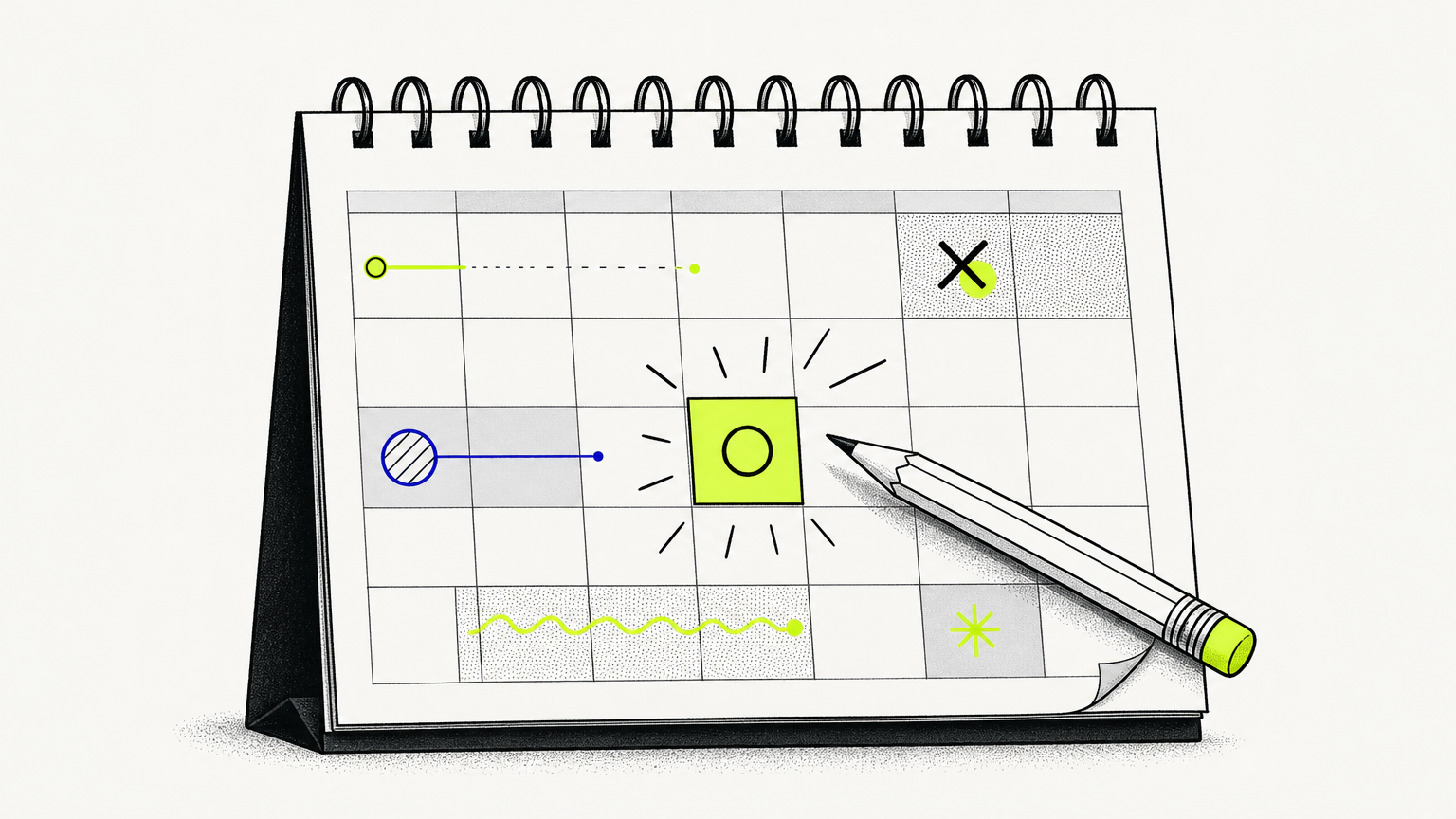
At scale, CPG social does not start with content topics. It starts with demand signals: retail expansion, SKU launches, seasonal buying, trade spend already committed. Social amplifies demand that exists elsewhere. It does not invent it.
Map social goals to retail and SKU priorities
Every initiative should map to a specific commercial outcome: trial, repurchase, or retailer sell-through. That discipline prevents the awareness-only trap that stalls so many emerging CPG brands. If a Whole Foods reset lands in April, the social calendar should be geo-boosting that window, not celebrating a random national holiday. The top marketing strategies for the beverage industry breaks down how to sync social pushes to retail moments.
Choose the right platforms for CPG discovery
Platform selection follows discovery behavior, not internal preference. According to Emplifi research, 39% of consumers prefer engaging with brands on social, and nearly 50% have made a purchase via social media in the last 90 days. TikTok owns recipe and in-use content. Instagram Reels owns “what I actually buy” hauls. Pinterest owns saved shopping lists. YouTube owns the comparative review. Our breakdown of food and beverage brands on social media shows how the mix shifts by category.
Takeaway: if the initiative cannot name a commercial outcome, it does not belong on the calendar.
Step-by-Step: Build Your CPG Social Media Strategy

Five steps, in order. Skip one and the next will wobble.
Step 1: Define your audience and social listening baseline
Use audience insight tools and proactive listening before writing a single script. Facebook Lookalike Audiences, TikTok Creative Center, and platform-native listening give you a targeted starting point. Verify: you should now have a documented persona, three competitor SOV benchmarks, and a saved listening query. For founders new to this, our guide on how to jumpstart your brand on social media covers the first-week setup.
Step 2: Develop brand personality and content pillars
Lock four pillars: product education, lifestyle fit, community proof, and retail/commerce calls to action. Repetition inside a pillar builds memory; chasing every trend erodes it. This is where a real identity system matters, and where our take on the power of brand identity in hospitality and consumer brands applies directly to CPG founders.
Step 3: Build your content system across formats
According to LinkedIn analysis of $100M+ CPG brands, the highest-performing feeds combine structured recipe and use-case videos, stop-motion ingredient shots, controlled product photography with consistent lighting, and directed lifestyle content. This is a production system, not a shot list. See how we approach that in the Cha Lab work as one example of a controlled visual system in motion.
Step 4: Launch your influencer and UGC program
Match creators to real use occasions. A pre-launch seed to genuine brand advocates, with a personal note and no rigid brief, produces more usable content than a blast to fifty generic mid-tier accounts. Track allowlisting rights up front so paid can amplify the winners. Our notes on the brand builder vs product pusher mindset apply here: creators sniff out product-pusher briefs immediately.
Step 5: Activate paid social to amplify organic signals
Paid social should reinforce organic content that is already earning saves, shares, and comments, not run as a separate creative track. Promote the top 10% of organic, layer in creator whitelisting, and route traffic to retailer PDPs or Amazon storefronts. For deeper mechanics, read our CPG advertising strategies for food and beverage brands.
Takeaway: each step feeds the next; do not activate paid before the pillars are locked.
Troubleshooting Common CPG Social Media Mistakes
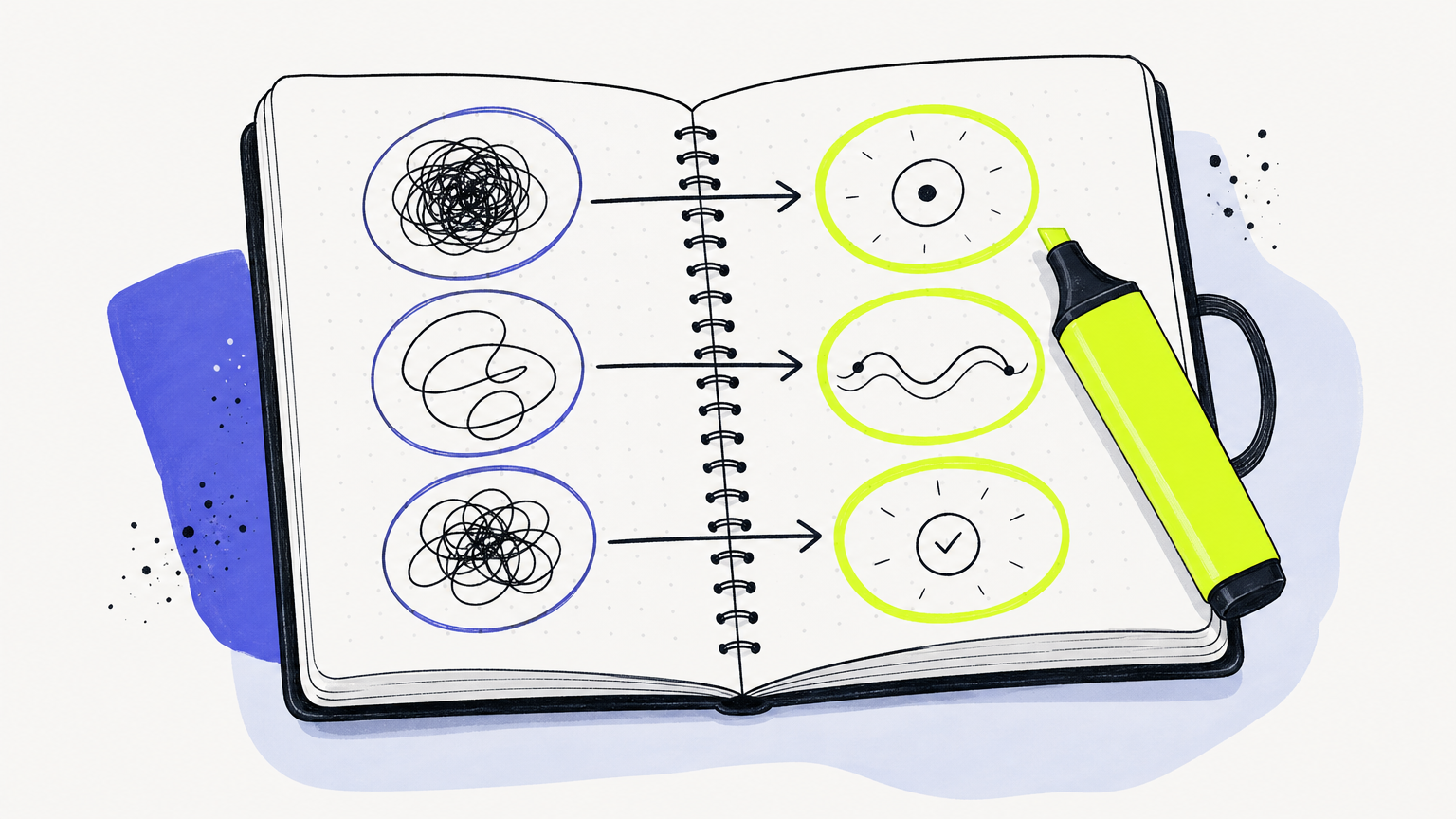
Three symptoms come up in almost every audit. Diagnose the cause, apply the fix.
Low engagement despite consistent posting
Symptom: posts go out on schedule, engagement stays flat. Cause: content is brand-centric, not consumer-use-centric. Fix: reframe every post around when, where, and how the product fits into a real day. If you cannot picture the shopper using the product in the frame, the post is not ready. Our field notes on Facebook and social media marketing with AI cover how to pressure-test hooks before publishing.
Social activity not connecting to retail sales
Symptom: strong reach and impressions, no lift in retail velocity. Cause: social goals are not mapped to retail expansion or SKU priorities. Fix: align calendars to trade promotion windows, retailer-specific moments, and regional distribution. Pair this with a CPG website that converts so the where-to-buy path is one tap, not a scavenger hunt.
Inconsistent visual identity across platforms
Symptom: the brand looks like three different companies across Instagram, TikTok, and paid. Cause: no controlled design system, multiple freelancers without guardrails. Fix: fix lighting, angles, typography, and color as non-negotiables. Common misses show up in our packaging design mistakes for food and beverage brands as well, because the same discipline problem plagues both surfaces.
Takeaway: engagement, retail lift, and visual consistency are three different problems. Do not fix them with the same lever.
Measuring What Actually Matters in CPG Social
Reach and impressions tell you the room is loud. They do not tell you the brand is winning. The metrics below tie social back to commerce.
Beyond vanity metrics: share of voice and sentiment
Share of voice measures how often your products show up in category conversations relative to competitors, across seasonal moments and launch windows. Sentiment tracked in real time during a launch surfaces packaging issues, misinformation, or quality concerns early, before they compound into a PR problem. Our overview of TikTok Shop for CPG brands shows how these signals now sit next to purchase data on the same surface.
Connecting social engagement to commerce outcomes
The signals that matter: saves, link clicks to retailer pages, DM inquiries about where to buy, and creator-code redemptions. The CPG journey is non-linear. A shopper may discover on TikTok, validate on YouTube, and buy at Target or Amazon, so attribution needs to account for multi-touch paths. A unified content, listening, and review stack makes that attribution readable rather than theoretical. Case in point: see the Reali case study for how a consistent measurement frame ties creator content to retail moments.
Takeaway: if a metric cannot be traced back to trial, repurchase, or sell-through, it is a vanity metric.
Conclusion
A CPG social media strategy that converts is a distribution system, not a broadcast channel. Align content to real demand signals. Keep the visual system tight. Activate the creator tier that matches your actual use occasions. Track the metrics that connect to commercial outcomes. Brands that do those four things consistently outperform brands optimizing for post volume, every quarter. If you want a partner to build the system with you, MAVRK Studio works with CPG founders to ship strategies that show up on shelf, not just on the feed.
Frequently Asked Questions
What is a CPG social media strategy?
A CPG social media strategy is a documented plan that maps content, creators, and paid media to specific commercial outcomes like trial, repurchase, and retail sell-through, rather than treating social as awareness-only broadcasting.
Which social media platforms work best for CPG brands?
TikTok drives in-use and recipe discovery, Instagram Reels wins “what I actually buy” hauls, Pinterest captures future purchase intent through saves, and YouTube hosts comparative reviews. The right mix depends on your category and buyer behavior.
How do CPG brands use influencers on social media?
Effective programs match creators to real product use occasions, seed pre-launch with a personal note to advocates, and secure allowlisting rights so paid can amplify the winners. Generic mid-tier blasts rarely produce usable content or measurable trial.
How do I measure ROI from CPG social media?
Track share of voice, sentiment, saves, retailer link clicks, DM purchase inquiries, and creator-code redemptions. Attribute across multi-touch paths, since shoppers often discover on one platform, validate on another, and buy at retail.
What content formats perform best for CPG brands on social media?
Structured recipe and use-case videos, stop-motion ingredient highlights, controlled product photography with consistent lighting, and directed lifestyle content perform best. The through-line is a repeatable production system that builds visual memory over time.
How much should a CPG brand spend on social media marketing?
Emerging CPG brands typically allocate 15 to 25 percent of marketing budget to social, split across organic production, creators, and paid amplification. The exact split depends on retail footprint, launch cadence, and the trade spend already committed.
How is social media strategy for CPG brands different from other industries?
CPG social ties directly to physical retail velocity and multi-retailer distribution, so calendars sync to trade windows and shelf resets. Non-CPG categories can rely more on direct conversion; CPG requires attribution across in-store, Amazon, and DTC.
How do I connect my CPG social media activity to retail sales?
Align content to trade promotion windows and retailer-specific moments, geo-target paid around new distribution, use creator codes and retailer-tagged links, and read sentiment against sell-through data weekly to spot the content driving real lift.