


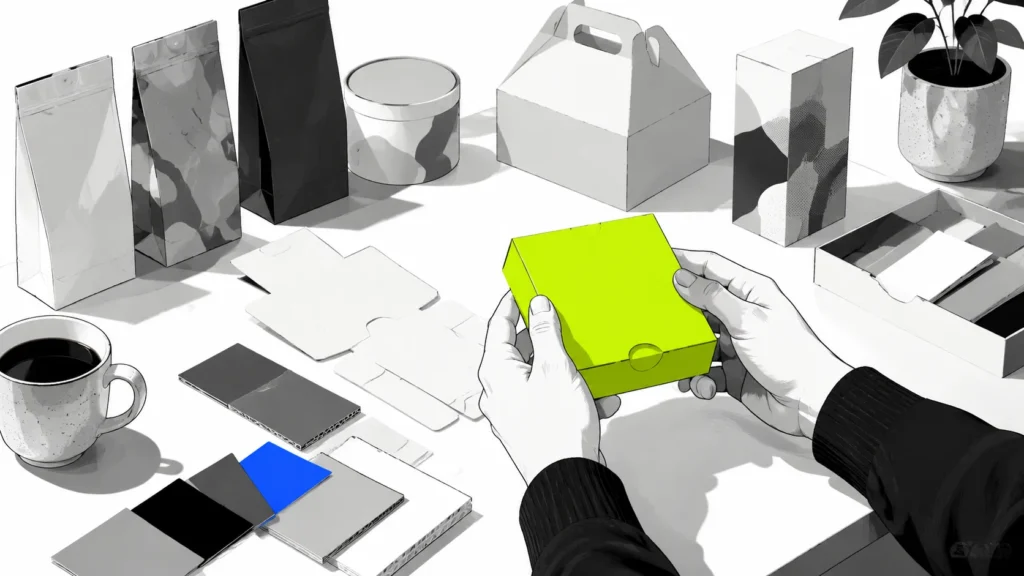
CPG packaging design is the discipline of creating the visual, structural, and strategic presentation of consumer packaged goods so products attract shoppers, communicate brand values, and drive purchase. For food and beverage founders, packaging is one of the highest-use bets you make before launch. MAVRK Studio builds packaging systems for emerging CPG brands that perform at retail and scale cleanly with the product line.
Definition: What CPG Packaging Design Actually Means
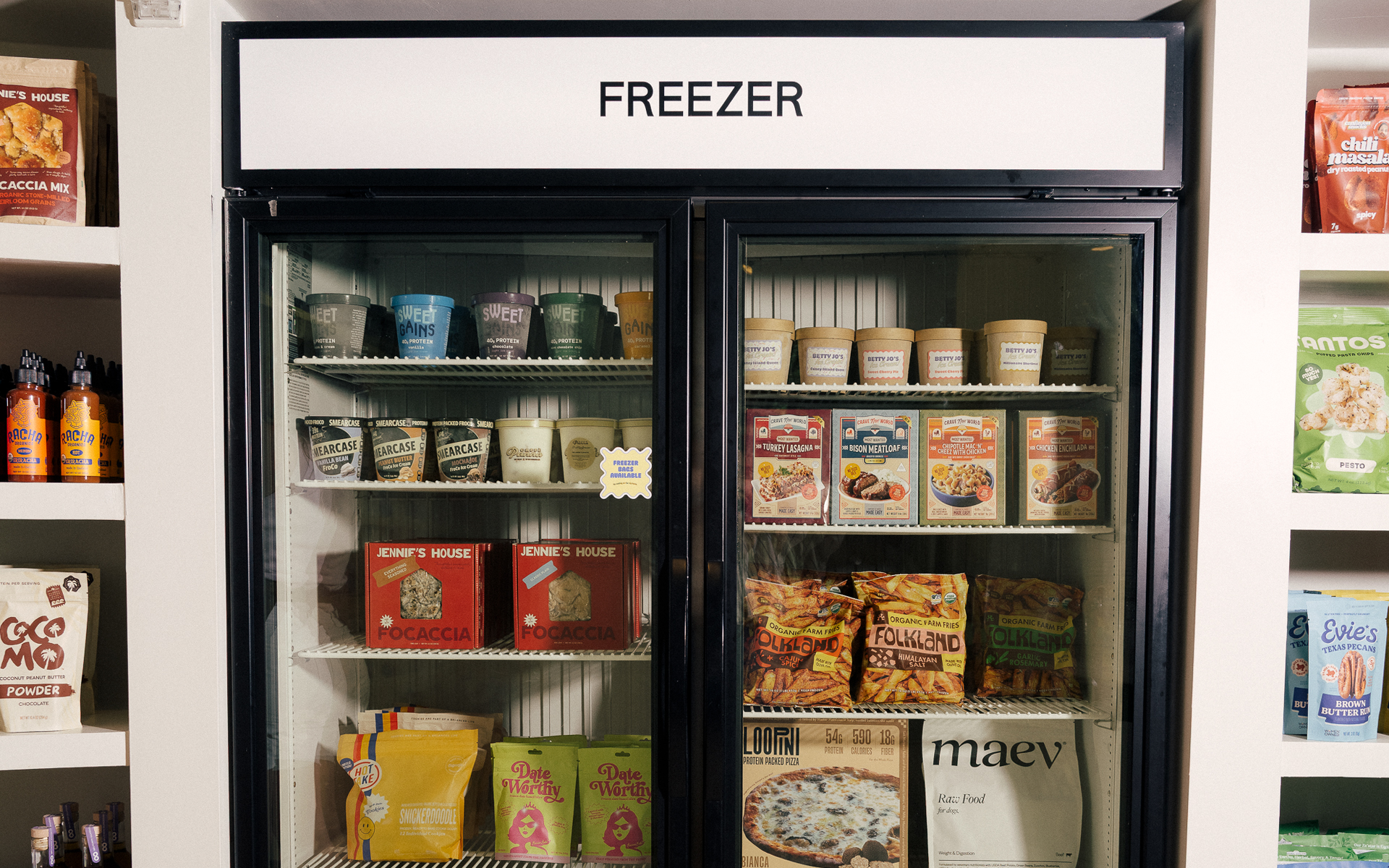
CPG packaging design is the integrated craft of graphics, structure, and strategy applied to products sold at scale through retail. It is not decoration on a box. It is the primary vehicle a brand uses to earn attention, communicate value, and win a purchase in seconds. The stakes are commercial, not cosmetic, which is why serious CPG brand work treats it as a system rather than a surface.
In plain English: it is how your product looks, feels, and reads in a shopper’s hand, engineered to sell.
Consumer Packaged Goods Explained
CPG stands for Consumer Packaged Goods. Think food, beverages, personal care, household staples, the everyday items sold in standardized units across grocery, mass, convenience, and online. These categories share a common truth: high frequency, thin margins, and brutal shelf competition. The packaging conversation exists inside that reality, not outside it.
The Scope of Packaging Design in CPG
CPG packaging design spans two disciplines working as one. Graphic design handles color, typography, imagery, hierarchy, and on-pack copy. Structural design handles form, substrate, closure, and hand-feel. Together they answer regulatory rules, survive the supply chain, and carry brand identity into the consumer’s kitchen. Unlike custom or industrial packaging, CPG has to do all of this at scale, at price, and repeatedly.
Takeaway: packaging is the most-repeated brand touchpoint a CPG buyer will ever have with you. Design it accordingly.
How CPG Packaging Design Works: The Core Components
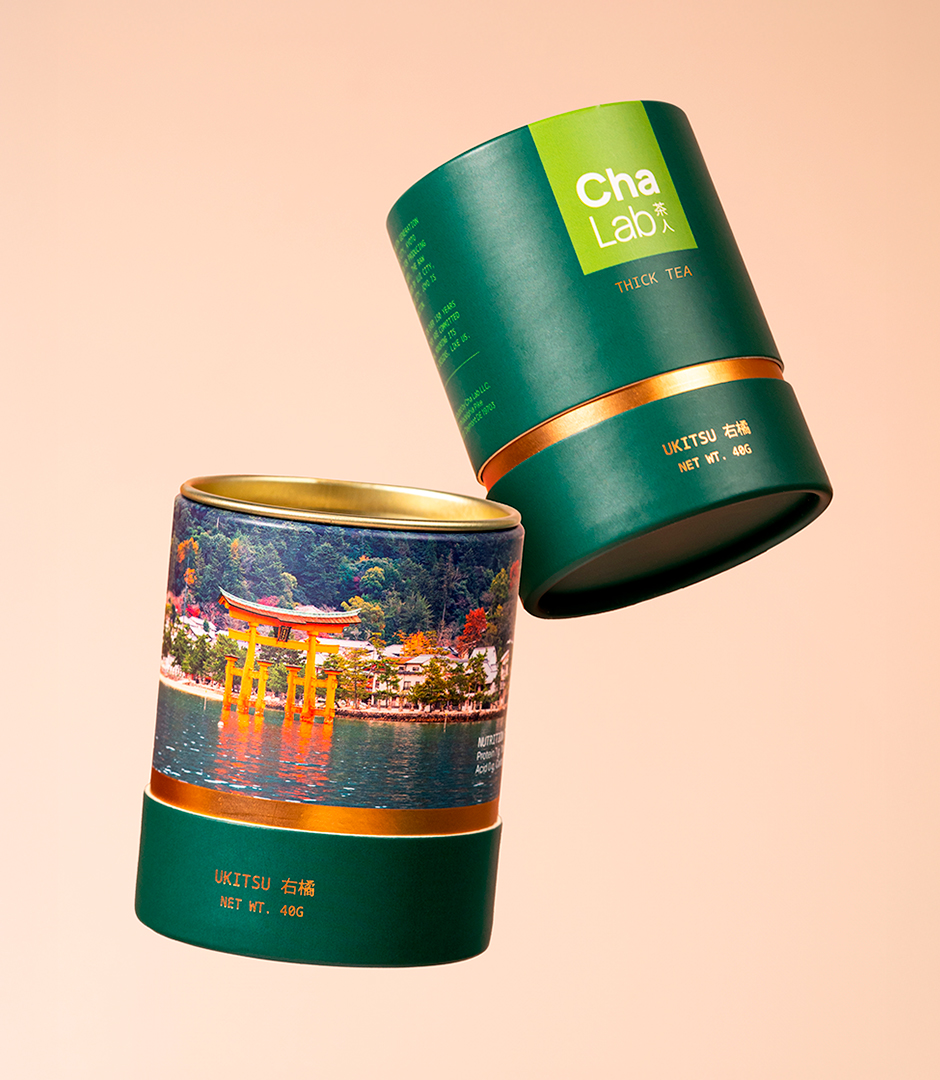
Packaging is a system with three moving parts. Graphics, structure, and compliance all bend around the same commercial goal. When founders treat them as separate briefs, the seams show on the shelf. When they evolve together, the pack reads as one confident object. Studios like MAVRK work these tracks in parallel from day one.
Graphic Design Elements
Color blocking, logo placement, typography, imagery, and copy have to hold together as a coherent visual language across every SKU in the line. A hero color reads first. Silhouette and typography carry recognition second. Copy earns the pickup. Fragmented graphics across a portfolio dilute the brand impression; a strong system compounds it. Look at Edenesque’s system to see how graphic rules scale across flavors without losing the core.
Structural and Material Considerations
Structure is the part founders under-invest in and later regret. Shape, substrate, closure, and hand-feel are brand signals before a single word is read. A premium product in a thin, hollow container undercuts its positioning immediately. Material also determines cost, shelf life, and sustainability positioning. Beverage packaging is a category where bottle silhouette often does more brand work than the label ever will.
Regulatory and Compliance Requirements
FDA labeling rules dictate mandatory information for food and beverage: nutrition facts, ingredient list, net weight, allergen declarations, and manufacturer identification. Those requirements consume real estate and set layout boundaries early. Smart teams treat compliance as a creative constraint, not an obstacle. Getting it wrong triggers reprints, retail rejections, or worse. See the product branding mistakes that most commonly trip up new CPG founders.
Takeaway: graphics, structure, and compliance are one brief, not three. Solve them together.
Why CPG Packaging Design Matters for Brand Performance
Packaging is the highest-use marketing asset most CPG brands own, because it is the only asset present at every purchase decision. It works while nobody is watching. It works when the founder is asleep. According to SmashBrand’s case study, a data-driven heritage redesign moved purchase intent by 12 points, which is a rare kind of move in this category. The right brand strategy makes that lift possible.
Shelf Impact and Purchase Intent
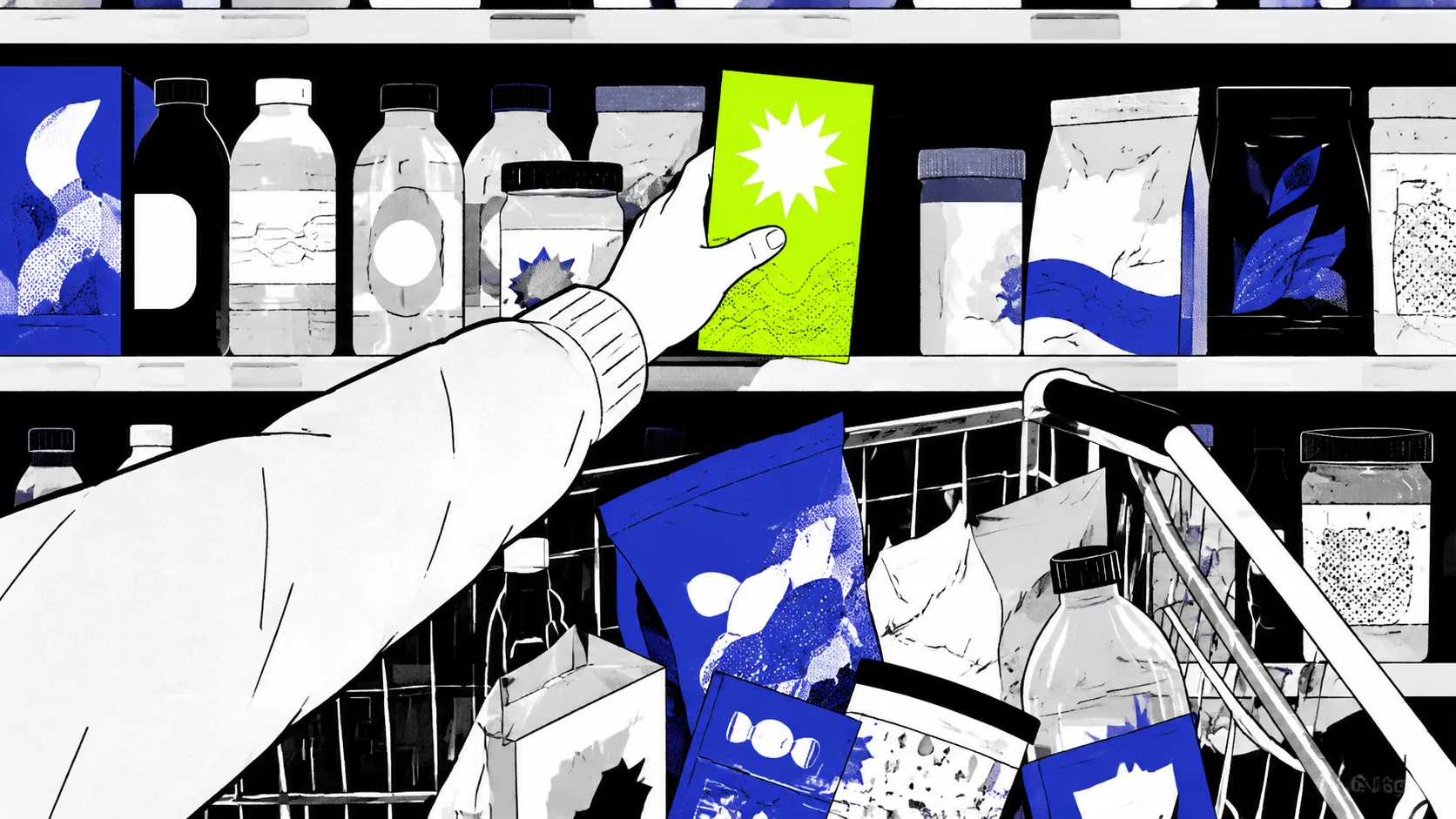
Consumers scan before they read. Recognition happens in seconds and often from several feet away, which means silhouette and color blocking do the heavy lifting before any text registers. Loud is not the goal. Immediately recognizable is. Tether, another studio operating in this space, frames it the same way: solve for the shelf before the screen. Our own 90-day launch system is built around that same discipline.
Brand Equity and Long-Term Recognition
A consistent visual language across flavors, sizes, and formats builds equity that compounds. One SKU should strengthen the next, not compete with it. Fragmented systems force the consumer to relearn the brand every time a new product ships, which is expensive and slow. See how The Rice Cream uses a single visual grammar across every variant to hold together as one brand impression.
Packaging as a Retail Buyer Signal
Retail buyers read packaging as a proxy for execution risk. Weak packaging says the team is not ready for the shelf, and that reads as a placement liability. Strong packaging says the team understands the category, the shopper, and the operational discipline required. Buyers give a stronger retail pitch a much longer look. In categories where every new entrant looks the same, the distinctive visual space left open by competitors is often the best opportunity available.
Takeaway: the pack is your quietest and most consistent salesperson. Give it a real job.
The CPG Packaging Design Process Step by Step
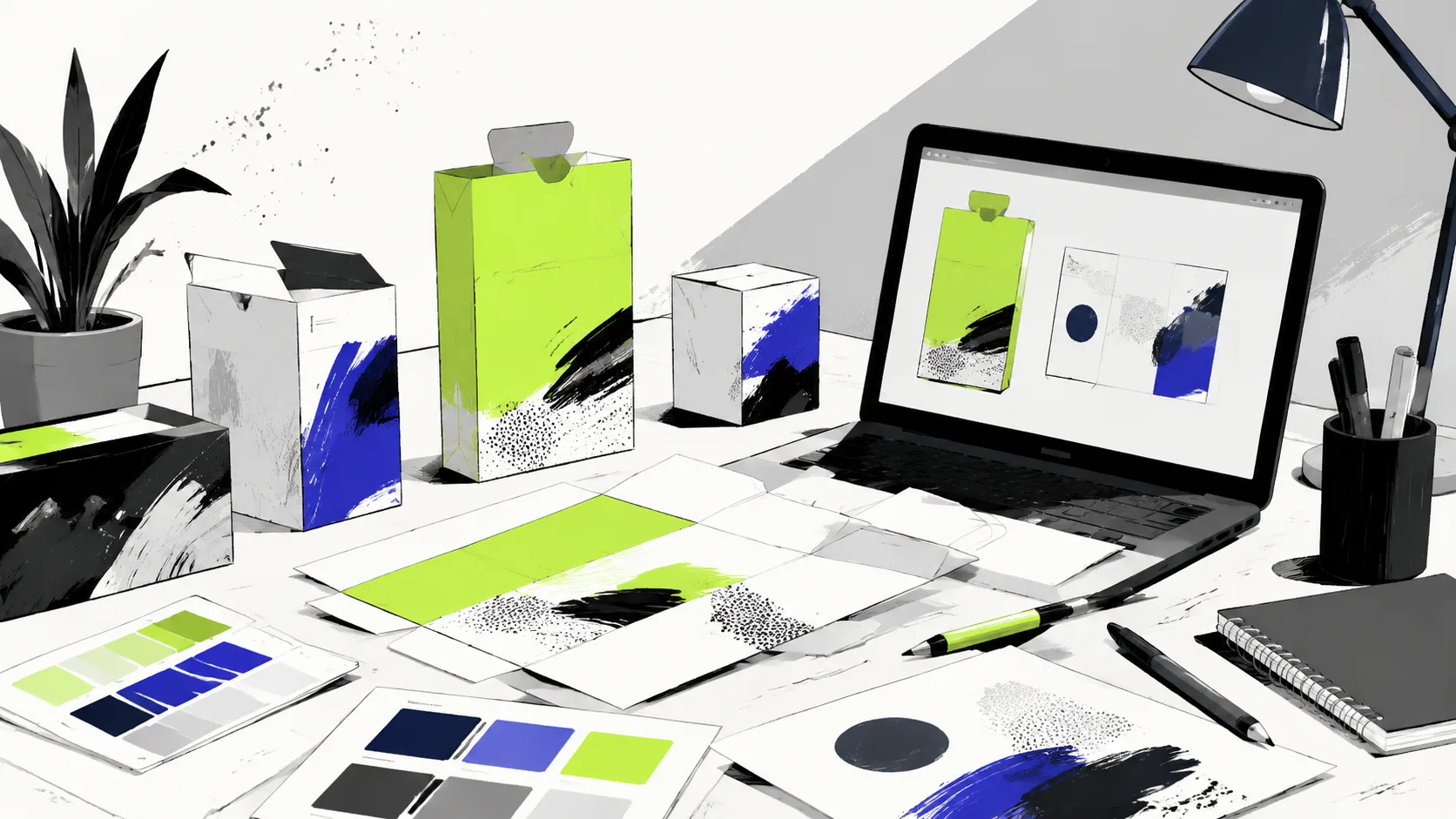
A good process front-loads strategy, treats structure and graphics as one decision, and validates before tooling. Skipping steps is where most launches get expensive. Studios with dedicated CPG process discipline tend to catch the costly mistakes early rather than at the printer.
Brand Positioning and Competitive Audit
Before any pixels move, the team defines competitive positioning, target shopper, and the retail environment the product will live in. That audit shapes every downstream call, from color palette to bottle silhouette. Positioning is the constraint that makes design decisions honest rather than arbitrary. See how Folkland started from a sharp positioning brief before any packaging exploration.
Design Development and System Building
Design is developed as a system, not as a single hero SKU. The core visual language has to hold together as the line extends into new flavors, formats, and channels. Industrial design and graphic design evolve in parallel because the form of the package shapes what the graphics can do. Our work with Cha Lab is a good example of how structural and graphic decisions had to be solved together.
Testing and Validation Before Launch
Studio renders and printed comps reveal different information than a real shelf. Evaluating packaging under retail lighting, next to competitors, and in shopper hands surfaces problems no PDF will. Structured consumer feedback or purchase-intent testing before you commit to tooling reduces retailer risk and increases your own confidence. Skipping this step is a classic branding mistake founders make when they are moving fast.
Takeaway: the process is positioning first, system second, shelf-real testing third. In that order.
Common Misconceptions About CPG Packaging Design
The category is full of confident-sounding advice that quietly costs founders money. A quick tour of the CPG blog archive will show the same three misconceptions burning through launches over and over.
Misconception: Good Packaging Just Needs to Look Nice
Reality: aesthetic appeal alone does not drive shelf performance. Packaging that photographs beautifully in isolation can disappear on a crowded shelf if it lacks silhouette differentiation and recognition speed. Beauty without shelf logic is a portfolio piece, not a product. Reali’s packaging works because it is both handsome and hard to miss from ten feet away.
Misconception: Packaging Can Be Figured Out After the Product Is Ready
Reality: late-stage packaging decisions force costly compromises on structure, material, and compliance. Treating design as an afterthought is one of the most expensive mistakes in CPG. See Humanfood’s launch for what happens when packaging is treated as a first-class product decision rather than something to bolt on at the end.
Misconception: Category-Consistent Design Is Safe
Reality: designing to match category leaders reduces differentiation and makes a shopper’s eye skip right past you. E-commerce also demands its own optimization: thumbnail legibility, hero-image logic, and unboxing all matter in ways a purely retail brief may miss. Plan for line extensions, refresh cycles, and new channels from the initial brand-building brief.
Takeaway: pretty, late, and same-as-everyone-else are the three quiet killers.
How to Get Started With CPG Packaging Design
If you are a founder about to brief a designer, the work you do before the design brief is often more valuable than the design brief itself. Clear inputs produce clear outputs. Our about page has more on how we structure that intake for CPG teams.
Define Your Brand Strategy First
Define target retail environment, primary shopper, and competitive positioning before anything visual gets discussed. These inputs shape color, form, copy tone, and material choice. Skip this and every downstream decision becomes a matter of taste rather than strategy. A short strategy sprint up front saves months of rework later.
Choosing the Right Design Partner
Look for category-specific CPG experience. Generalist designers often underestimate FDA rules, material sourcing lead times, and how brutal a real shelf is. A partner who has shipped in your category will move faster and make fewer expensive assumptions. Use a clear agency selection rubric rather than a vibes check.
What to Bring to a Packaging Design Brief
A strong brief includes product specs, regulatory constraints, target retail channels, competitive shelf context, and any brand equity that must be preserved. Budget for consumer feedback rounds. Ask for shelf mock-ups in real retail context before approving final artwork. Serious CPG founders bring this level of clarity to the first meeting, and it shows in the output.
Takeaway: clear inputs, right partner, real-shelf validation. That is the entire game.
Frequently Asked Questions
What does CPG stand for in packaging design?
CPG stands for Consumer Packaged Goods. It covers everyday products sold in standardized quantities across retail, including food, beverages, personal care, and household items that move at high volume through grocery, mass, convenience, and e-commerce channels.
What is the difference between CPG packaging design and regular packaging design?
CPG packaging must communicate brand identity, meet FDA and category compliance rules, survive a retail supply chain, and perform against competitors on a crowded shelf. Custom or industrial packaging typically solves for protection and logistics without the same shelf, brand, and regulatory demands.
How much does CPG packaging design cost for a startup?
Costs vary widely by scope, SKUs, and structural complexity. Expect meaningful investment for strategy, graphic system, dielines, and pre-launch validation. See agency pricing guidance for realistic budget ranges. Cheap packaging usually costs more later in reprints and lost placement.
What are the FDA requirements for CPG food packaging?
FDA labeling rules require nutrition facts, ingredient list in descending order, net weight, allergen declarations, and manufacturer or distributor identification. Specific product categories carry additional rules. Consult current FDA guidance directly before finalizing artwork, because requirements change and enforcement varies by channel.
How do I know if my CPG packaging design is working?
Track velocity per store, repeat purchase rate, retail buyer feedback, and structured consumer research on shelf recognition and purchase intent. Third-party testing benchmarks like SmashBrand’s redesign data show measurable lifts are possible when the redesign is grounded in real shopper insight.
Should I hire a CPG packaging design agency or a freelancer?
For a serious retail launch, hire an agency with category-specific CPG experience. Freelancers can execute graphics but rarely cover strategy, structural design, compliance, and portfolio system work at the level a retail buyer expects. A buyer’s guide helps compare properly.
How long does the CPG packaging design process take?
A rigorous process, from positioning through validated final artwork, typically runs eight to sixteen weeks depending on SKU count, structural complexity, and testing scope. Rushed timelines skip validation, which is the step that most reliably predicts shelf performance and retailer confidence.
What makes CPG packaging design effective on the shelf?
Effective packaging is immediately recognizable from several feet away, differentiated within its category, honest to the product inside, and consistent across the portfolio. Silhouette and color blocking do the first job. Typography, copy, and hand-feel close the sale once the shopper picks it up.
Conclusion
CPG packaging is the closest thing a consumer brand has to a full-time salesperson. It works at the shelf, in the cart, on the counter, and inside the feed. Founders who treat it as a strategic system rather than a graphic deliverable ship faster, place better, and build real equity. If you are building the next thing on that shelf, MAVRK Studio helps CPG teams put a pack out that earns its space.