

Building a marketing plan for the food and beverage industry takes more than a logo and an Instagram handle. From defining your target customer to mapping seasonal promotions, the work involves specific research, budget discipline, and channel choices unique to food brands. MAVRK Studio helps food and beverage companies translate strategy into campaigns that move product, and this guide walks each step, in order, with the receipts.
Outcome you’ll reach: a documented, budgeted, 12-month marketing plan you can hand to a team. Time estimate: 6 to 10 focused hours across two weeks. Skill level: intermediate. Founder-friendly, but assumes you know your COGS and your retail footprint.
What You’ll Need Before You Start
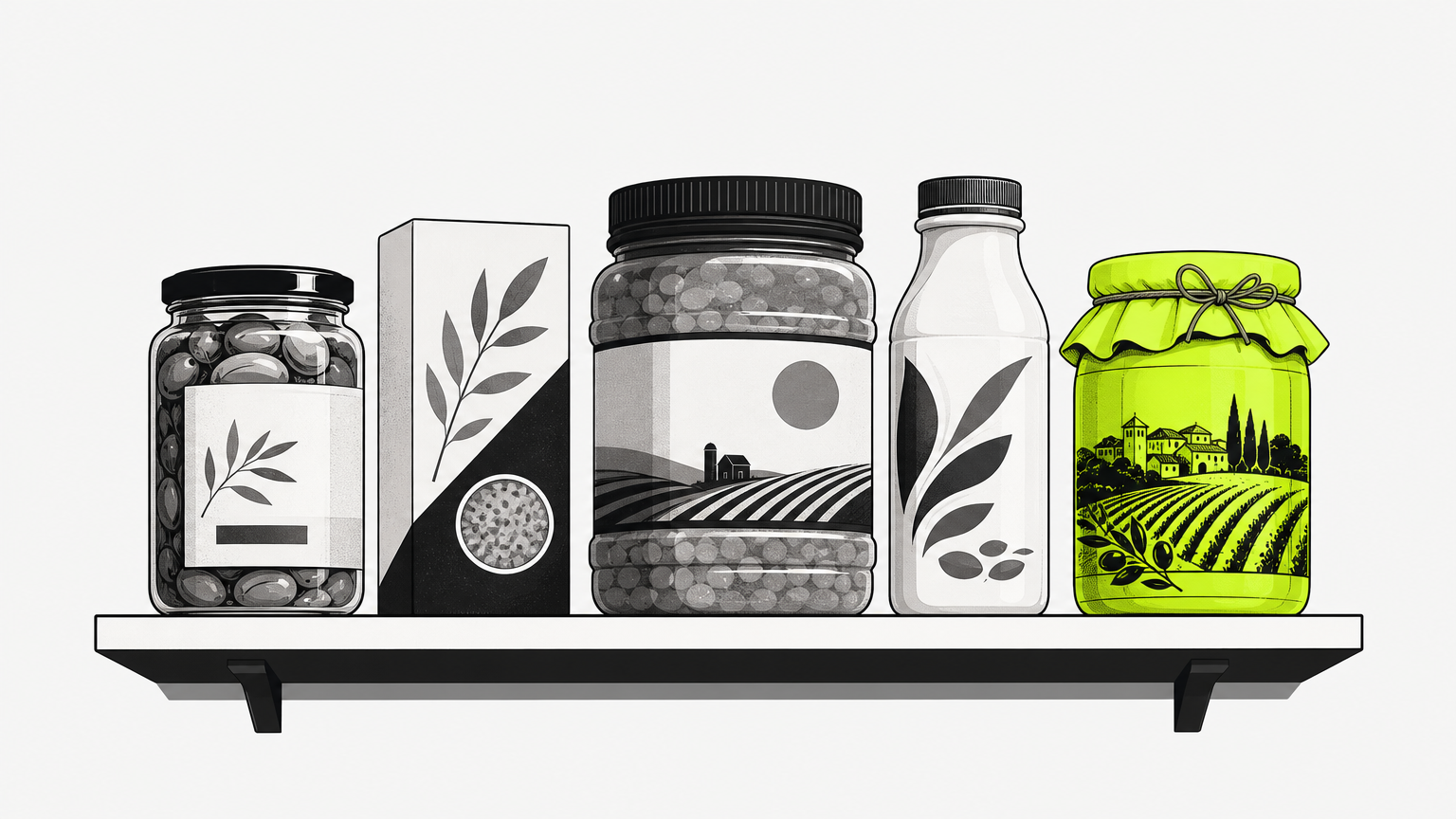
Before drafting anything, get the foundation set. A plan built on fuzzy positioning is a plan you rewrite in ninety days.
Business and Brand Foundations
- A written brand positioning statement: premium, value, specialty diet, or regional. This one call shapes every channel and every headline downstream. Our CPG branding notes go deeper on positioning by shelf tier.
- Competitive intel on at least three direct competitors. Pricing, distribution footprint, and visible spend (paid social, endcap presence, PR hits). A quick competitive teardown of packaging will show you where you actually sit on the shelf.
- Regulatory checklist. Per the FDA’s labeling guidance, and the FTC endorsement guides for influencer and testimonial copy, every claim you plan to run in ads should be cleared before creative goes into production.
- A brand identity kit that already exists (or is in flight). If it isn’t, our brand identity work is the pre-requisite before you spend a dollar on media.
Budget and Timeline Estimates
Industry benchmarks put food and beverage marketing spend at roughly 8 to 12 percent of projected revenue for growth-stage brands, higher for launch year. Map that number against a 12-month calendar with peak seasons flagged. If you’re launching from zero, the 90-day launch system is the tighter frame to start inside.
Takeaway: don’t move to Section 2 until positioning, competitors, budget, and regulatory constraints are on paper.
Before You Start: Audit Your Current Situation
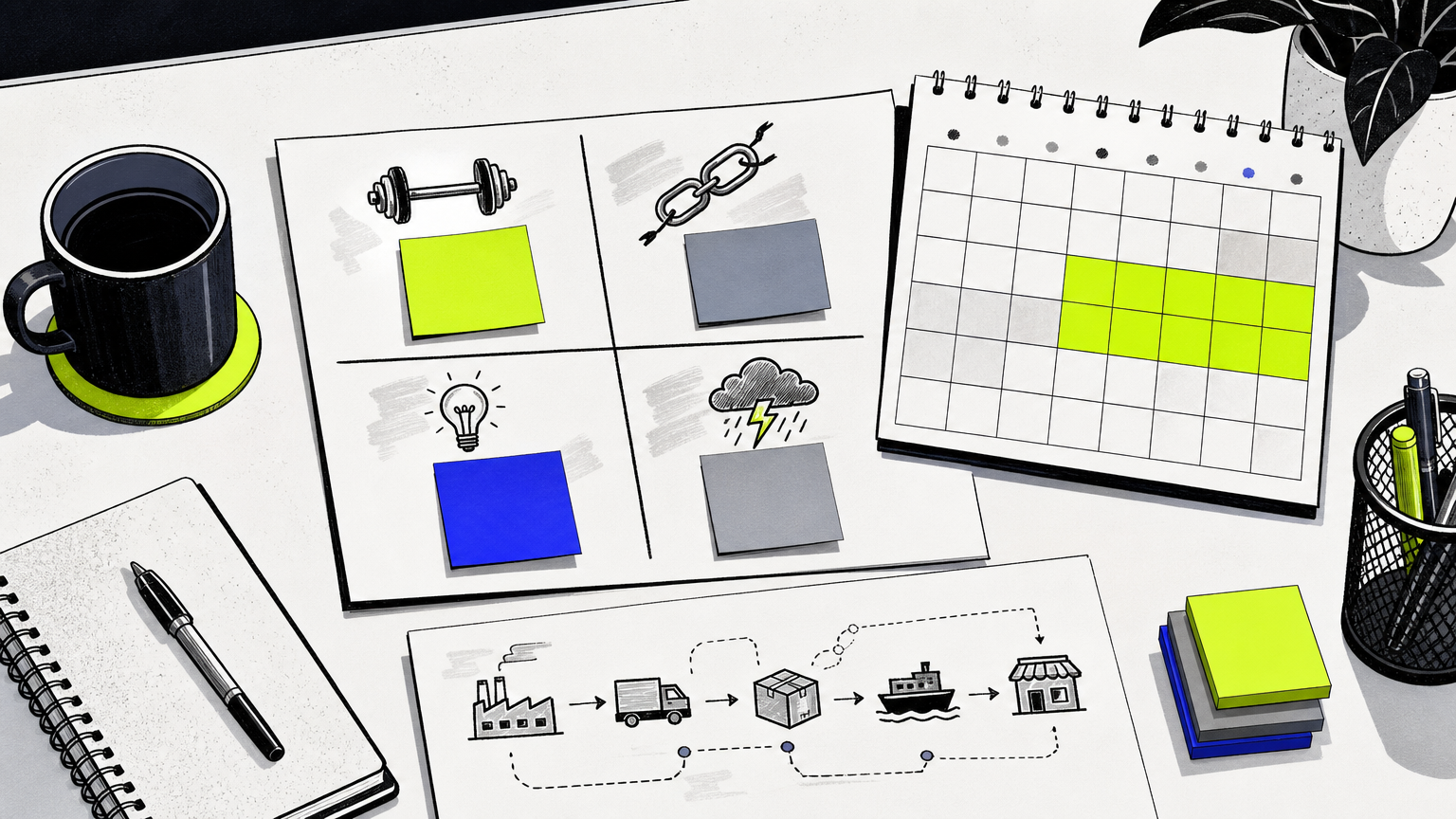
You cannot plan forward without a clear read of where the brand actually stands. Two exercises, done honestly, will save you a quarter of wasted spend.
SWOT Analysis for Food and Beverage Brands
A generic SWOT is useless here. A food and beverage SWOT has to include shelf-life constraints, distribution partnerships, seasonality, and co-packer capacity as operational realities. Strengths might be a proprietary formulation; weaknesses might be a 90-day shelf life that kills club channel plays. The brand strategy tag has more on framing SWOT for CPG specifically.
Customer and Market Research
Secondary data sets the table. Primary data wins the argument. Nielsen and SPINS category reports are the standard for CPG volume and trend benchmarks; the USDA Economic Research Service publishes free food-expenditure data that is genuinely useful for pricing and channel decisions. Layer that with 20 to 50 shopper intercepts or a well-run survey and you’ll have purchase drivers no report can give you. Our creative agency notes on research walk through intercept scripts.
Map your current customer journey from discovery to repurchase. Note where drop-off happens. That gap is where marketing dollars have the highest use, and it’s usually not where founders expect. Our work with Edenesque is a good example of journey mapping surfacing an unexpected repurchase gap.
Takeaway: finish the audit with a one-page summary of who buys, why, and where you’re losing them.
Step-by-Step: Building Your Food and Beverage Marketing Plan

Now the plan itself. Five steps, in order. Skipping one breaks the next.
Step 1: Define Your Target Audience
Write two or three audience segments using behavior, not just demographics. Include purchase frequency, occasion type (weekday lunch vs. dinner party), and dietary preferences. You should now have a segment table that names the highest-value buyer first. The Rice Cream case shows how occasion-based segmentation reframed a dessert brand’s whole positioning.
Step 2: Set SMART Marketing Goals
Write goals that a CFO could audit. Example: “Increase DTC revenue 15% within 90 days” or “Secure 200 new retail door placements in Q3.” Vague goals produce vague campaigns. Anchor each goal to a segment from Step 1 so the content strategy work downstream stays honest.
Step 3: Choose Your Marketing Channels
Pick channels that match your audience and product. A typical food and beverage mix:
- In-store promotions and sampling
- Instagram and TikTok for short-form visual content
- Email and SMS for DTC and loyalty
- Micro-influencer partnerships
- Food and lifestyle media PR
Do not spread thin. Three channels done well beat six done poorly. The digital marketing blog has channel-by-channel breakdowns for CPG.
Step 4: Create a Content and Campaign Calendar
Build a 12-month calendar keyed to food holidays, cultural moments, and product launches. National Ice Cream Month, back-to-school, Q4 gifting, and Dry January all deserve their own creative brief. A written calendar prevents the last-minute scramble that produces off-brand work. The Cha Lab program is a good model of a seasonal beverage calendar done right.
Step 5: Assign Budget and Ownership
Every line gets a named owner and a dollar figure. No “TBD.” Mid-year reallocation is easier when you can see which owner underspent and which channel overdelivered. If you’re staffing this internally for the first time, the launch overview covers what to build in-house versus hire out.
Takeaway: the plan is done when a stranger could read it and know who owns what by when.
Marketing Channels That Work Best for Food and Beverage Brands
Not every channel earns its keep in food. Here’s the honest read on the ones that do.
Digital and Social Media Marketing
Instagram and TikTok consistently top engagement for food content. Short-form video, recipe demos, and behind-the-line kitchen footage drive both awareness and purchase intent. Product-only creative underperforms; occasion and emotion win. See our Folkland social program for a short-form video system that scaled without paid media dependency.
Retail and In-Store Tactics
Endcap placement, shelf talkers, demo days, and free samples remain the highest-converting touchpoints for packaged food and beverage at retail. Trade spend is not glamorous, but it is often the most efficient dollar in the plan. Package design decides the last three feet; the packaging category has more on this.
Influencer and Partnership Marketing
Micro-influencers in the 10,000 to 100,000 follower range typically produce higher engagement rates on CPG content than macro-influencers, according to platform-published benchmarks. Co-marketing with a complementary brand (a sauce partnering with a pasta) also extends reach without a proportional media spend increase. For DTC, email remains one of the strongest ROI channels, especially for subscription and loyalty. The HumanFood project is a good look at influencer plus email working in tandem.
Takeaway: pick two paid channels, one owned channel, and one partnership channel. Ship.
Troubleshooting Common Food and Beverage Marketing Mistakes
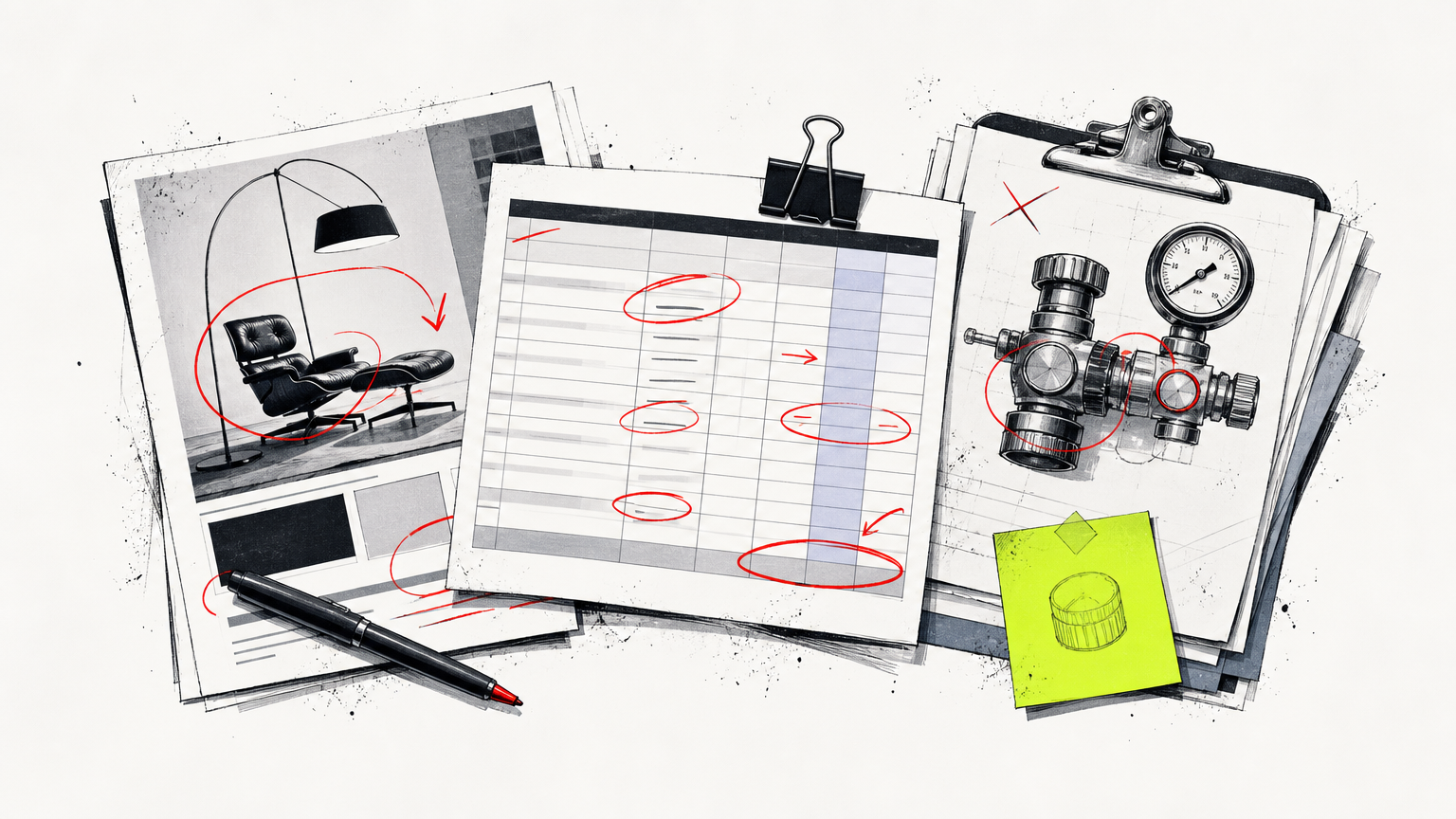
Most plans don’t fail from bad strategy. They fail from four recurring symptoms.
Symptom: Low Retail Sell-Through
Cause: Media drives trial but packaging or shelf placement fails to convert. Fix: Run shopper intercepts at three stores, review the planogram, and address the shelf before scaling media. The beverage packaging tag covers how to audit shelf presence honestly.
Symptom: Poor Digital Ad Performance
Cause: Creative is product-forward instead of occasion or emotion-led. Fix: A/B test lifestyle creative against product creative on the same audience and budget for two weeks. Kill the loser. Our Reali campaign walks through a clean creative test structure.
Symptom: Inconsistent Brand Messaging
Cause: No documented brand voice guide or creative brief process. Fix: Produce a single-page messaging document that governs copy across every touchpoint. The branding blog has a template you can steal.
Symptom: Budget Exhausted Before Peak Season
Cause: Flat monthly spend instead of a curve tied to demand. Fix: Build a 12-month spend curve that front-loads investment 6 to 8 weeks before key consumption occasions. The brand building resources explain how to phase for CPG cycles.
Takeaway: troubleshoot the symptom, not the vibe.
Measuring and Iterating on Your Marketing Plan
A plan you don’t measure is a wish list.
Key Metrics for Food and Beverage Marketers
Track velocity (units per store per week), customer acquisition cost, repeat purchase rate, and share of voice on your priority channels. Velocity is the metric buyers care about at retail review, so make it the number your team sees weekly. Our ventures blog breaks down how founders present these to buyers.
Building a Review Cadence
Hold a plan review monthly for spend versus benchmark, quarterly for channel reallocation. Attribution in multi-channel food marketing is genuinely hard; last-click undervalues PR and organic social. Use blended attribution or a light media mix model. Feed post-campaign reports directly into the next planning cycle so insight compounds.
Takeaway: the review cadence is the plan. Without it, you’re just budgeting.
Frequently Asked Questions
What should a marketing plan for a food and beverage company include?
Positioning, audience segments, SMART goals, a channel mix, a 12-month calendar, a line-item budget with named owners, and a KPI dashboard. Include a regulatory checklist and a review cadence to keep the plan operational.
How much should a food and beverage brand spend on marketing?
Established brands typically allocate 8 to 12 percent of projected revenue to marketing. Launch-year brands often run 15 to 25 percent because trial-driving investment is front-loaded before repeat purchase economics kick in.
What are the best marketing channels for food and beverage brands?
Instagram, TikTok, in-store sampling and endcaps, email and SMS for DTC, and micro-influencer partnerships consistently perform. The right mix depends on whether your revenue comes from retail, DTC, or foodservice.
How do I market a new food product with a small budget?
Concentrate spend. Pick one geographic market, one retail partner, and one social platform. Run sampling in the store, produce short-form video around it, and use email to convert trial into repeat. Skip PR until you have proof.
How is food and beverage marketing different from other industries?
Shelf life, seasonality, regulatory constraints, and retail gatekeepers shape every decision. Trade spend and in-store execution matter as much as digital reach, and sensory content (taste, texture) has to be simulated through video and design.
How do I measure the success of a food and beverage marketing campaign?
Track velocity, CAC, repeat purchase rate, and share of voice. For retail, sell-through by store is the metric buyers evaluate. For DTC, blended ROAS across a 30 to 60 day window is more honest than last-click.
How often should a food brand update its marketing plan?
Full refresh annually. Quarterly reallocation reviews. Monthly performance check-ins. Rewrite the plan sooner if you enter a new channel (retail to DTC, or vice versa) or a major distribution partner changes.
Do food and beverage brands need influencer marketing?
Most benefit from it, but not all. Visually driven categories (snacks, beverages, desserts) see stronger returns than commodity staples. Start with micro-influencers on a paid-plus-product model before considering macro deals.
Wrapping Up
A marketing plan for the food and beverage industry is not a document. It is an operating system for a brand that needs to move product on shelf and screen every week. Nail the foundations, audit before you plan, budget by season, measure what buyers actually care about, and iterate on a cadence. If you want a partner who’s done this across CPG and hospitality, MAVRK Studio’s about page is where to start the conversation.