



Hiring a food and beverage marketing company is a significant investment, and knowing the cost range before you sign a contract saves time on both sides. At MAVRK Studio we work with food and CPG brands across every budget tier, from scrappy pre-launch to shelf-ready national rollouts. This guide breaks down what agencies typically charge, what drives prices up or down, and what you should realistically expect to get for the spend.
What Does a Food and Beverage Marketing Company Cost?
Pricing in this category is not a single number. It is a range shaped by scope, agency size, and how much of the work is strategy versus execution. Below are the three most common commercial structures you will encounter when comparing agency options for a food or beverage brand.
Typical Monthly Retainer Ranges
Monthly retainer engagements for specialized food and beverage agencies typically range from $3,000 to $30,000 per month depending on scope and agency size. Boutique shops sit toward the lower end and focus on one or two disciplines. Full-service firms sit at the top, bundling strategy, creative, media, and reporting into a single engagement, which is closer to the model used by many full-service brand builders in the CPG space.
Project-Based and One-Off Fees
Project-based fees for discrete work such as a brand identity package or a product launch campaign commonly fall between $10,000 and $75,000. A full identity system with packaging usually lands in the middle of that range. A national launch push with photography, video, and paid media production sits at the top. Studios that publish a structured launch playbook tend to keep these projects predictable.
Performance and Commission Models
Some agencies offer performance or commission structures tied to sales lift, common in shopper marketing and retail activation work. Hourly rates at boutique food-focused agencies generally run $100 to $250 per hour, while larger full-service firms can exceed $300 per hour. Scope creep is the most cited reason engagements cost more than initially quoted, so agencies with defined deliverable lists, like those following a 90-day sprint model, keep costs predictable.
At a Glance: Cost Factors by Service Type

Not every service is billed the same way. Branding is usually a fixed fee. Digital is usually a retainer. Content is usually its own budget line. Getting this framing right up front prevents nasty surprises three months in, especially for founders scoping their first serious CPG brand build.
| Service | Typical pricing model | Common range |
|---|---|---|
| Brand identity and packaging | Fixed-fee project | $15,000 to $60,000 |
| Digital marketing (SEO, paid, email) | Monthly retainer + % of ad spend | $4,000 to $20,000 per month |
| Content production (photo, video, recipes) | Per-shoot or per-asset | $5,000 to $50,000 per production |
| Public relations retainer | Monthly retainer | $3,000 to $8,000 per month |
| Shopper marketing and trade | Retainer + media/experiential budget | $10,000+ per month plus media |
Digital marketing services including SEO, paid social, and email are most commonly billed on a monthly retainer with a percentage-of-ad-spend fee layered on top. Content creation covering photography, video, and recipe development carries its own production budget separate from agency fees. According to industry benchmarks reported by PR Daily, public relations retainers for food brands average $3,000 to $8,000 per month at boutique agencies, and shopper marketing programs almost always require both an agency fee and a separate trade or experiential budget. Founders looking to trim early can review cost-effective marketing strategies for growing brands before locking in retainers.
What You Get at Each Budget Level
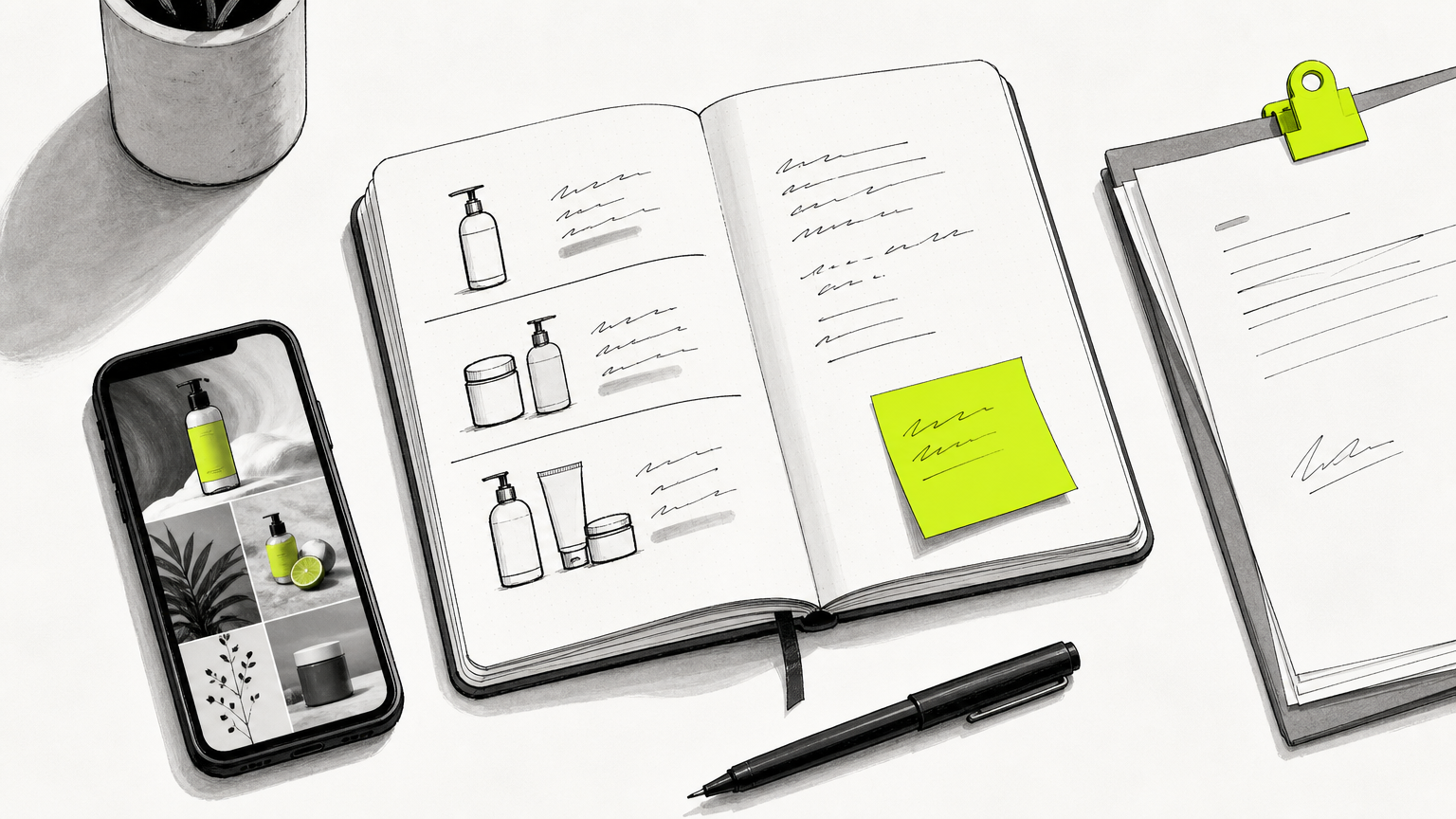
Budget tier drives capability more than it drives quality. A well-run $4,000 retainer can move a small brand faster than a poorly scoped $20,000 one. Here is what each tier typically buys, mapped against the kind of work a founder should expect the team to deliver, whether that is social content or full campaign development.
Under $5,000 per Month
At under $5,000 per month, brands typically access one or two focused services such as social media management or basic SEO, usually from a smaller or boutique agency. Strategic depth is limited at this tier, and the value is in disciplined execution against a plan you have already defined. This is often the right entry point for pre-revenue brands testing organic social traction.
$5,000 to $15,000 per Month
The $5,000 to $15,000 monthly range generally unlocks a full-service mix: strategy, content, paid media management, and light analytics reporting. Expect a small dedicated team rather than a single account manager, and expect to be asked for meaningful input during a structured discovery process. This is the sweet spot for growth-stage CPG and hospitality brands ready to move beyond one-channel execution.
$15,000 and Above per Month
Budgets above $15,000 per month typically include dedicated account teams, integrated campaign development, influencer programs, and regular consumer insights reporting. Full-service agencies like Quench and The Food Group position themselves at the higher end and offer branding, PR, shopper marketing, culinary consulting, and data analytics under one roof. At this level, smaller brands should clarify whether strategy and creative are bundled into the retainer or billed separately, and whether media production for TikTok Shop and social commerce sits inside the fee.
Key Services a Food and Beverage Marketing Company Should Offer

Category fluency separates a food and beverage marketing company from a generalist. Retail dynamics, labeling rules, broker relationships, and culinary credibility all matter, and the service mix should reflect that. Founders can pressure-test a shortlist against restaurant and food brand case work before committing.
Brand Strategy and Identity
Brand strategy and identity work covers go-to-market positioning, unique selling proposition development, packaging design, and visual identity guidelines. This is where the brand’s long-term equity is built, and it is often the single most valuable line item on the invoice. The craft of logo and identity design sits inside this bucket, not next to it.
Digital and Content Marketing
Digital marketing for food brands spans SEO, paid social, email campaigns, and native advertising, often with a food-specific content angle such as recipe integration or seasonal campaigns. Content is the fuel that makes the paid media work, and agencies with in-house production usually deliver stronger results than those outsourcing every shoot. Modern engagements increasingly include AI-assisted social marketing workflows to keep output volume high without inflating headcount cost.
Shopper Marketing and Trade Activation
Shopper marketing focuses on the path to purchase inside retail environments, including trade activations, sales enablement tools, and broker training programs, as outlined by agencies like Revelry. Culinary consulting and product development are specialist offerings from agencies with in-house culinary talent, bridging marketing and product innovation. Consumer insights and trend forecasting are increasingly standard, and the strongest agencies are mining proprietary data to inform creative and advertising direction for CPG.
Red Flags to Watch for When Evaluating Agencies
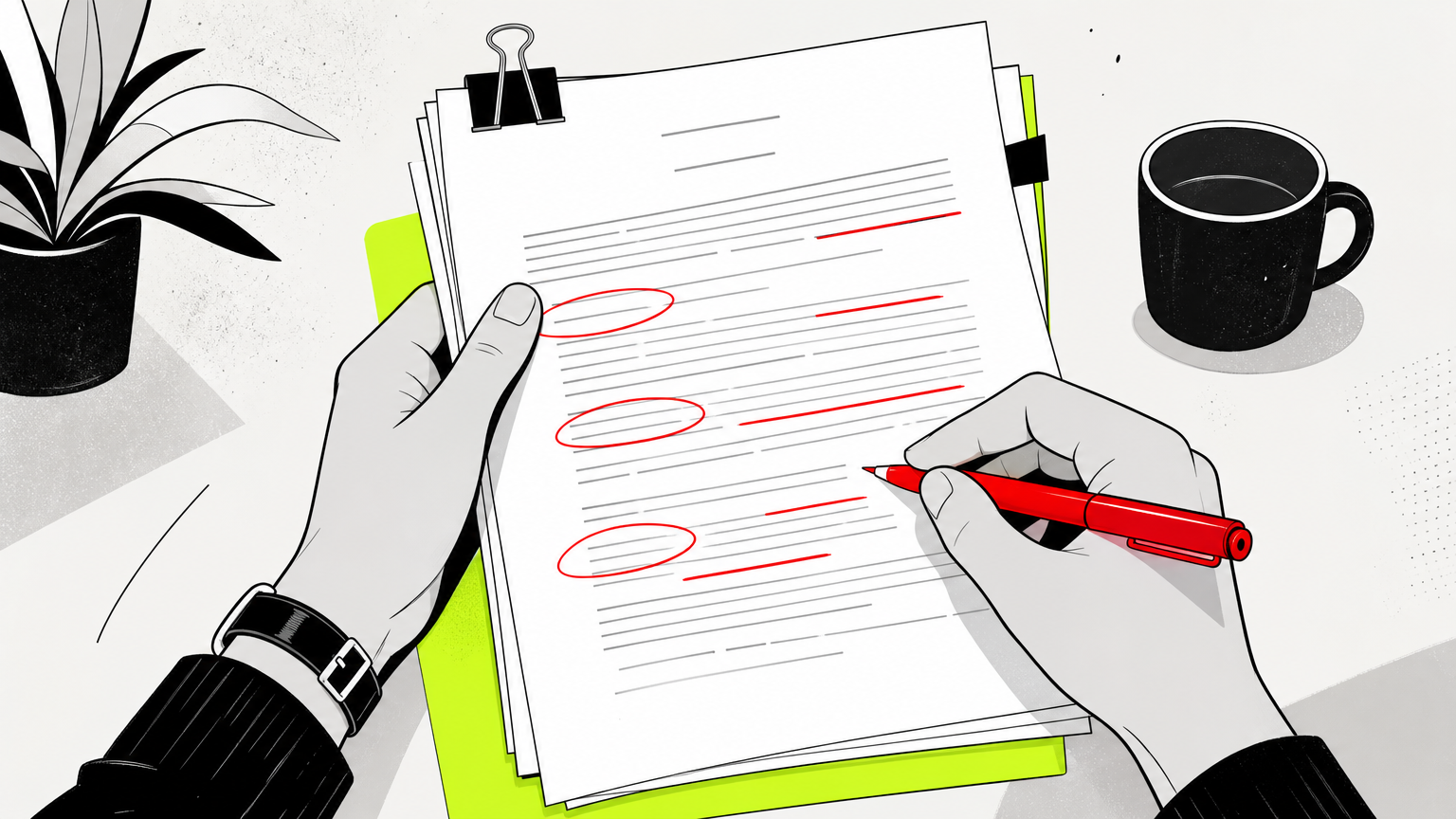
The pitch deck always looks good. The contract is where the real information lives. Read every scope line, and cross-check it against what a healthy agency-client relationship looks like in the restaurant and hospitality category.
Vague Deliverables and No Defined Scope
Contracts that list “social media support” without specifying post frequency, platform coverage, or content ownership create room for under-delivery. Insist on a numbered deliverable list per month, and confirm who owns raw files. A beverage-specific packaging engagement should list every SKU, revision round, and file format up front.
No Industry-Specific Experience
Agencies without verifiable food and beverage case studies or client references in the category may lack the regulatory, labeling, and retailer-relationship knowledge that sector work requires. Ask to see three recent projects with named brands, not stock mockups. A studio comfortable in the category will show you real coffee, snack, or beverage builds without hedging.
Unclear Reporting and Measurement
Pricing that bundles media spend inside a flat retainer with no separate accounting makes it impossible to verify what portion of budget actually reaches consumers. Absence of clear KPIs and reporting cadences is a common complaint in agency-client breakdowns; best practice is monthly reporting with quarterly strategic reviews. Low-cost agencies offering enterprise-level deliverables at well below market rates typically rely on offshore production or AI-only output without human strategic oversight, which is exactly the kind of shortcut that leads to packaging design mistakes later.
How to Choose the Right Food and Beverage Marketing Partner
Matching agency size to brand stage matters. Emerging brands often benefit more from boutique agencies where their account receives senior attention rather than being a small client at a large shop. A quick look at recent client work like Folkland tells you more about the day-to-day than any capabilities deck.
Reviewing verifiable case study outcomes provides a concrete basis for evaluating claims. Quench Agency has documented a $144M sales increase for StarKist and a 50.75% same-store sales lift for House Autry, according to figures published on their site. Ask any shortlisted agency for the equivalent, and cross-reference against category-comparable builds like The Rice Cream or Edenesque.
A structured discovery process that includes competitive analysis and audience segmentation before any creative work begins is a reliable indicator of strategic discipline. Budget fit should be evaluated against total cost of engagement, not just the base retainer, factoring in production, media, and technology platform fees. When you are ready to compare shortlists, start a scoped conversation rather than a generic RFP; the agency’s response will tell you most of what you need to know about cultural and culinary fluency.
Frequently Asked Questions
How much does a food and beverage marketing agency charge per month?
Most specialized agencies charge between $3,000 and $30,000 per month on retainer. Boutique shops focused on one or two services occupy the lower band, and full-service firms with dedicated account teams sit at the top of the range.
What is included in a food and beverage marketing retainer?
A standard retainer typically covers strategy oversight, a defined content output, paid media management, and monthly reporting. Photography, video production, influencer fees, and media spend itself are almost always billed as separate line items rather than absorbed into the fee.
Is it worth hiring a specialized food and beverage marketing company vs a generalist agency?
For most food and beverage brands, yes. Category specialists understand retailer dynamics, FDA labeling, broker relationships, and consumer trend cycles that generalists learn on your dime. The premium is usually recouped through faster ramp-up and fewer expensive mistakes.
How do food and beverage marketing agencies charge for content creation?
Content is typically billed per shoot or per asset, separate from the monthly retainer. A single-day photography production might run $5,000 to $15,000, while a full video campaign with talent, food styling, and post-production can exceed $50,000 depending on scope.
What should I expect during the onboarding process with a food marketing agency?
Onboarding usually takes two to six weeks and covers brand discovery, competitive analysis, audience segmentation, and a strategic roadmap. Expect workshops, brand audits, and access requests for analytics tools before any creative or media work begins in earnest.
How long before I see results from a food and beverage marketing campaign?
Paid media can show performance signals within two to four weeks. Organic content, SEO, and brand-building campaigns typically require three to six months to demonstrate meaningful traction, and shopper marketing outcomes are usually measured over full retail promotional cycles.
Can small food brands afford a professional marketing agency?
Yes, if scope is disciplined. Small brands can engage boutique agencies on focused retainers under $5,000 per month, or on discrete projects like an identity refresh or a launch campaign, without committing to a full-service integrated program from day one.
What questions should I ask a food and beverage marketing company before signing a contract?
Ask for named case studies with measurable outcomes, a numbered monthly deliverable list, KPI and reporting cadence, ownership of creative files, and a clear separation between agency fees, production costs, and media spend. Vague answers to any of these are a red flag.
The Bottom Line
Pricing for a food and beverage marketing company reflects scope, specialization, and how much strategic weight the agency actually carries. The right partner is not the cheapest quote and not the flashiest deck; it is the one whose scope, category fluency, and reporting discipline match your brand stage. If you want a straight conversation about what your budget can realistically deliver, MAVRK Studio works with food and CPG founders on scoped engagements built around outcomes, not billable hours.