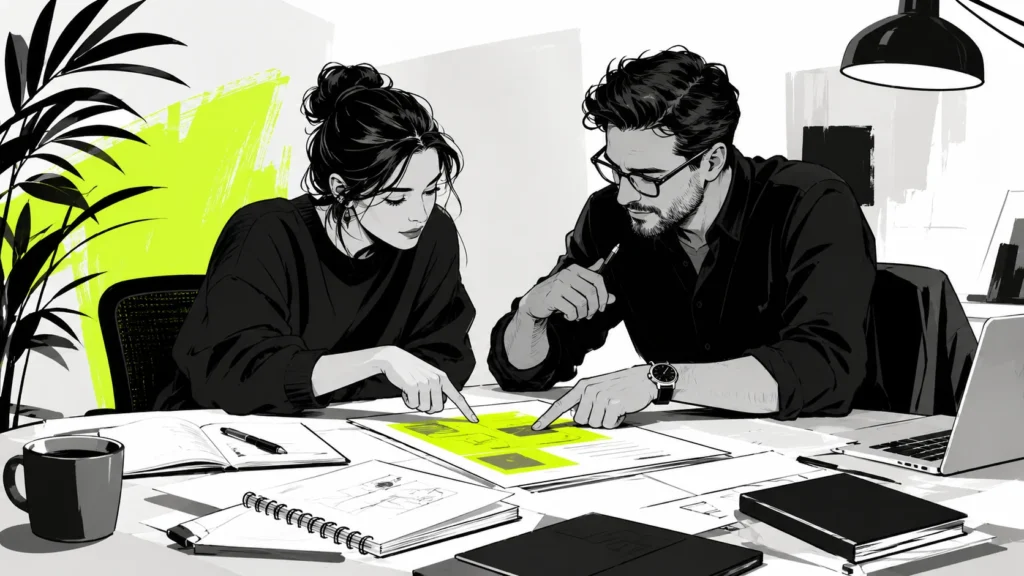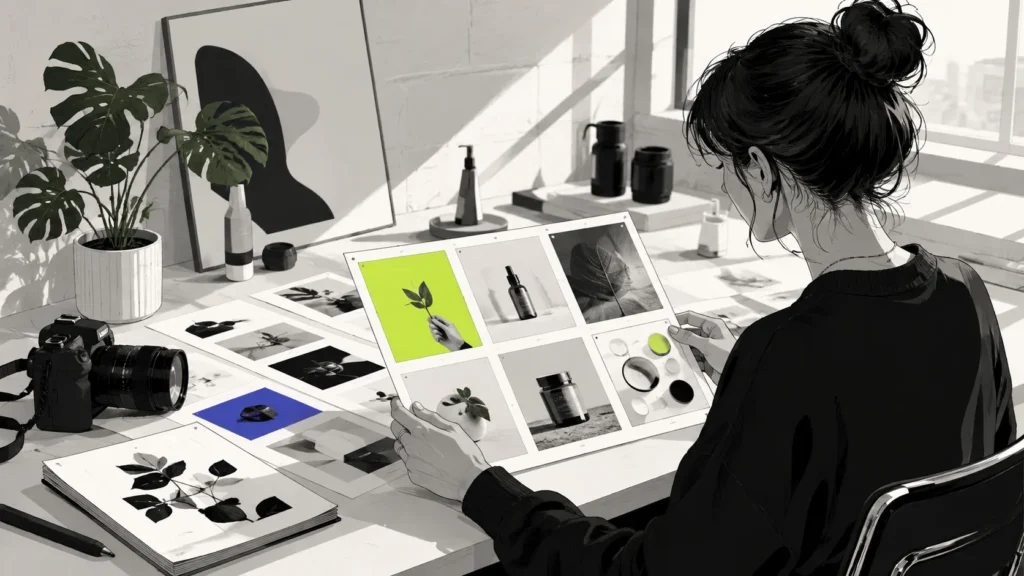


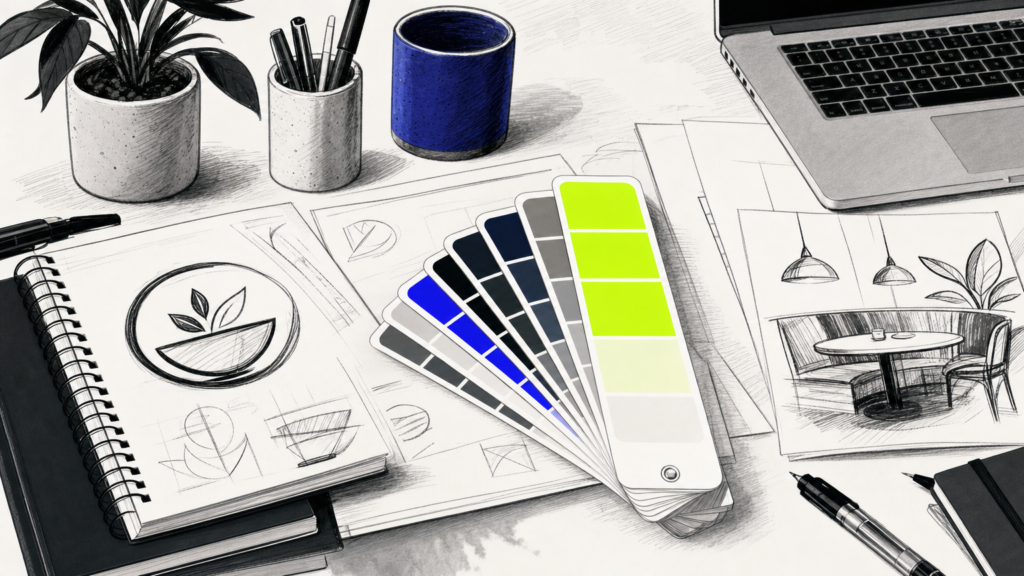
Choosing the right restaurant logo design agency can define how diners perceive your concept before they ever taste the food. A strong visual identity shapes first impressions, drives recognition, and anchors every marketing touchpoint from menus to signage. MAVRK Studio works with restaurant and cafe owners to build brand identities that communicate the right story from day one. This guide covers the criteria that separate a strategic agency partner from a generic design shop.
What to Look For in a Restaurant Logo Design Agency
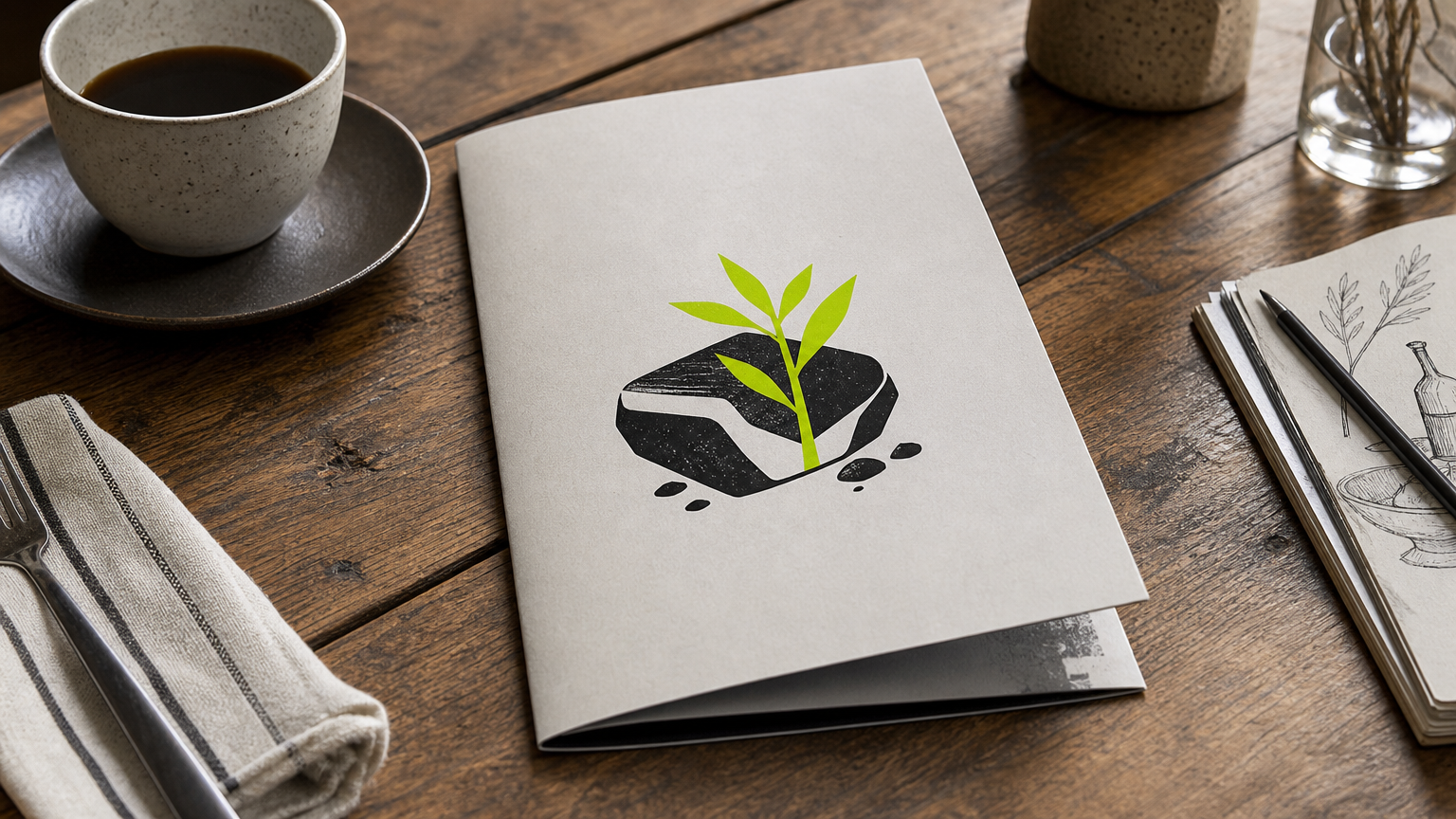
Not every design shop understands hospitality. Menus get spilled on. Signage gets viewed from across a street. Packaging gets stuffed into to-go bags at 11pm. A restaurant logo has to hold up under real conditions, and the agency you pick should have proof it does.
Restaurant-Specific Portfolio and Experience
Look for a portfolio built on real, opened restaurants, not concept mockups. Food service work has its own physics: legibility on menus, scalability on signage, reproduction across packaging materials from paper cups to matchbooks. Agencies with a deep hospitality brand identity track record understand these constraints instinctively.
Strategic Process Beyond Visual Design
The strongest agencies open with a discovery or brand positioning session before touching a sketchpad. As Nice Branding Agency documents in their restaurant process, verbal identity work, including positioning statement, brand story, and attributes, comes before the visual direction. That sequencing is what separates a durable identity from a pretty logo. Read more on the psychology behind restaurant branding to understand why.
Deliverables and File Formats
A complete package includes vector source files (AI, EPS, SVG), color palette specs (CMYK, RGB, HEX, Pantone), and typography guidelines for print and digital. Agencies that hand over a JPEG and call it done leave you stranded when the sign fabricator asks for Pantone codes. A proper brand logo design process accounts for every downstream use. Revision rounds should be defined up front, typically two per concept, to prevent scope creep.
Takeaway: the agency’s portfolio and process tell you more than their pitch deck. Pressure test both.
Key Buying Criteria
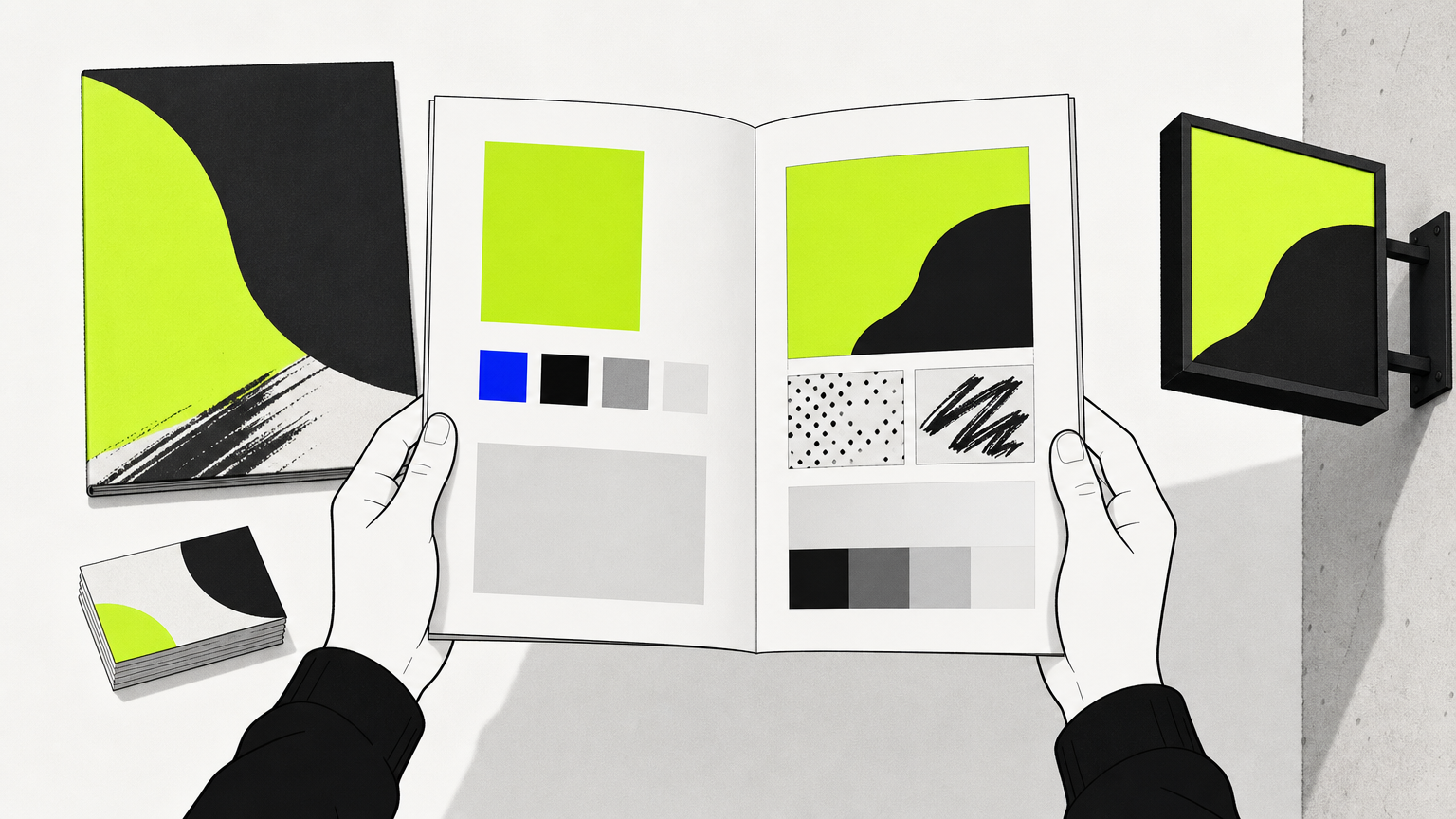
Once you have a shortlist, the criteria below separate the strategic partners from the vendors.
Brand Strategy vs. Visual-Only Design
Agencies that develop a verbal identity, including positioning, brand story, and attributes, before designing produce more coherent and durable outputs. A logo without strategy is decoration. A logo with strategy is a tool. The difference between brand and marketing strategy matters here, because the agency should be building the former.
Industry Specialisation
Hospitality specialists know the category cues. Red and yellow stimulate appetite. Serifs read as heritage; sans-serifs read as fast-casual. Typography has to be legible under low-light dining conditions and across a full restaurant system. A generalist can miss all of this. Studios with a track record on restaurant website optimization and menu systems tend to think in whole ecosystems, not standalone marks.
Turnaround Time and Communication
A full restaurant brand identity typically runs four to twelve weeks depending on scope. Clarity on milestones, feedback windows, and who signs off reduces the delays that quietly wreck opening timelines. If you are still nailing down basics, our restaurant opening playbook covers what to have in place before you brief an agency.
Pricing Transparency
Restaurant branding runs from roughly $2,000-$5,000 for logo-only entry packages to $15,000-$50,000+ for full brand systems including menu, web, and interior direction. Package-based pricing with defined deliverables is a stronger reliability signal than open-ended hourly billing. If budget is tight, review cost-effective marketing strategies for brands before you commit to a full system.
Takeaway: verbal identity, category fluency, timeline clarity, and transparent pricing are the four non-negotiables.
Red Flags to Avoid
The wrong agency costs more than money. It costs positioning, print reruns, and sometimes a full rebrand a year in. Watch for these.
Generic Design Mills and Logo Factories
Agencies leaning on stock templates or AI-generated base artwork without custom illustration cannot produce a mark that stands out in a competitive dining market. If the portfolio looks like every other pizza place on the block, that is what you will get. Some of the same rules apply to packaging design mistakes food and beverage brands make: shortcuts show up on shelves and storefronts.
No Discovery or Brief Process
Skipping discovery means the agency is designing without understanding your audience, competitors, or concept. That typically produces generic outputs and expensive revision cycles later. A quick look at brand transformation case work shows how much of the value sits in the diagnostic phase, not the deliverable phase.
Ownership and Usage Rights Issues
Verify you receive full intellectual property transfer at project close. Some lower-cost providers retain rights, or embed licensed fonts in logos that restrict commercial use. That is a nasty surprise to discover when you go to trademark the mark. Portfolios lacking real restaurant clients, and agencies that cannot supply references, are also warning signs regardless of the quoted price. Solid brand builder agencies over product pushers will hand over rights without a fight.
Takeaway: if an agency dodges questions about process, ownership, or references, walk.
Types of Restaurant Logo Design Agencies
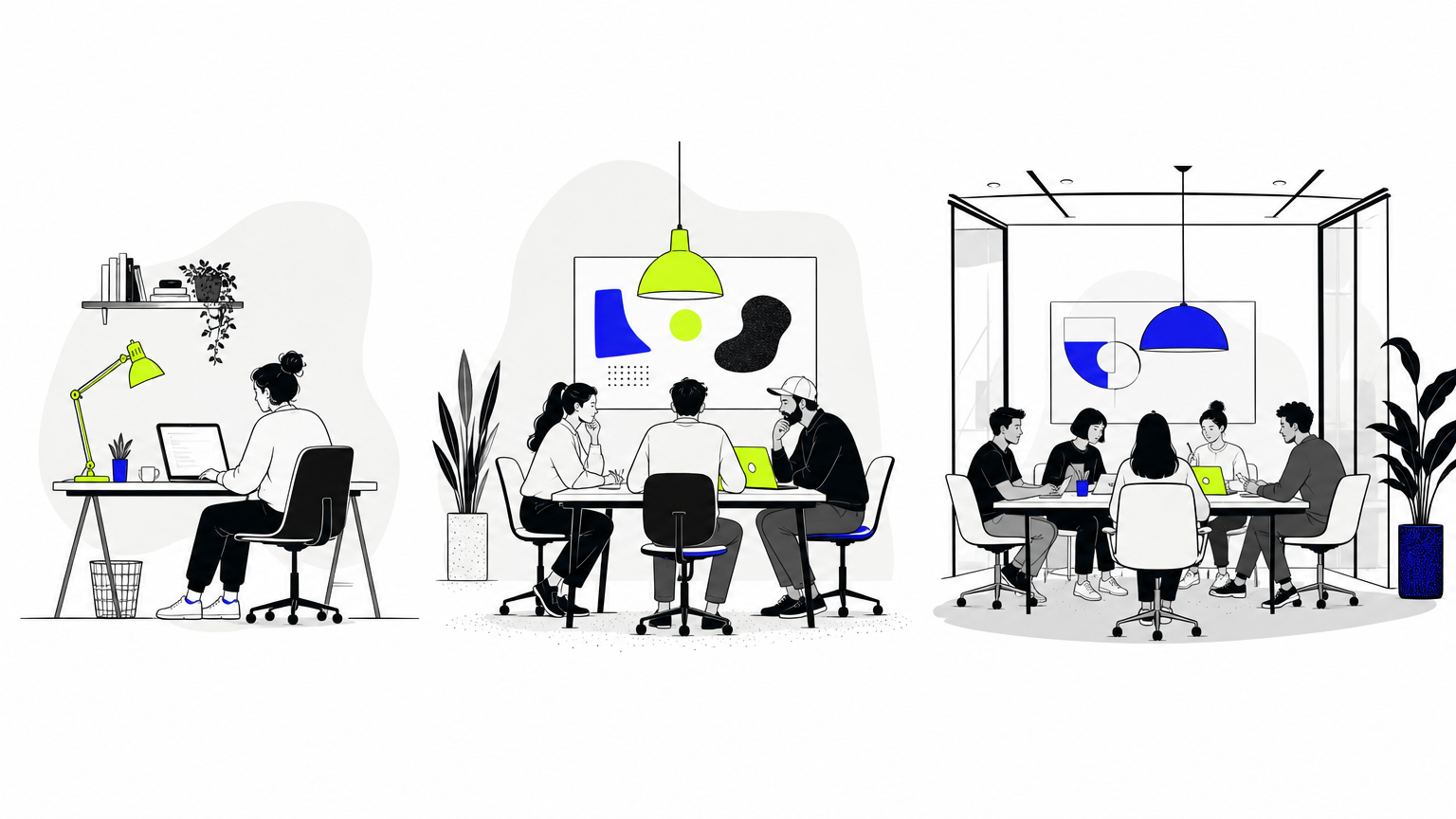
Not every project needs the same shape of team. Match the type to the job.
Full-Service Restaurant Branding Agencies
Full-service shops handle naming, positioning, logo, menu design, website, and interior direction under one roof. That reduces coordination overhead for operators managing an opening. It is the right pick when you want one accountable partner across the whole brand identity and packaging system.
Boutique Hospitality Creative Studios
Boutique studios focus exclusively on food, beverage, and hospitality. All Good NYC, established in Brooklyn in 2014, is one example of a shop that has spent a decade in this lane. Depth of category knowledge is the payoff. If you are running an F&B concept, look at how food and beverage brands approach social media to understand what a specialist actually brings.
Freelance Designers vs. Agencies
Freelancers offer lower price points but rarely have the cross-disciplinary team for strategy, copywriting, illustration, and print production simultaneously. Restaurant groups opening multiple locations especially benefit from agencies that build scalable brand systems rather than one-off logos. Logo-maker platforms like Design.com offer fast, low-cost outputs but cannot perform strategic positioning or the custom illustration that differentiates a concept, a limitation similar to shortcuts in creative packaging design.
Takeaway: pick the smallest team that can honestly cover your scope. No bigger, no smaller.
How to Evaluate Agency Proposals
Proposals look similar on the surface. The differences show up in the details.
Questions to Ask Before Signing
Ask every agency: how many logo concepts will you present, how many revision rounds are included, who owns the final artwork, and what file formats will be delivered at close. Answers should be specific, not aspirational. Cross-check against the agency’s public work and case study record to see if their promises match their outputs.
What a Good Creative Brief Looks Like
A well-structured brief covers target customer profile, competitor landscape, concept personality, preferred visual references, and hard constraints (colors to avoid, icon styles to exclude). If the agency does not push you to fill this in, they are not doing strategy. The same discipline shows up in strong brand promotion and story strategy work.
How to Review Logo Concepts Objectively
Judge concepts on three axes: distinctiveness (does it look like anything else in your market?), scalability (readable at 1 inch and at 10 feet?), and longevity (will it feel dated in five years?). Ask the agency to present logos in context, on a menu cover, a takeaway cup, a shopfront fascia, not just on a white background. Timeline matters too: signage and menu print production typically need artwork four to six weeks before opening, a window worth planning into your food truck or storefront design timeline as well.
Takeaway: proposals are pitches. Concepts in context are the real test.
How to Choose: Matching Your Needs to the Right Agency Type
Different operators need different things. Here is how to match.
New Restaurant Concept Opening for the First Time
First-time operators benefit most from agencies that include positioning and naming. Getting the market position right at launch is significantly cheaper than correcting it post-opening. Pair the branding work with a solid social media jumpstart plan so the identity actually lands with an audience.
Existing Restaurant Needing a Rebrand
Rebrands should start with a brand audit to identify what equity, colors, marks, customer associations, is worth retaining. Throwing out everything is often more expensive than editing. Multicultural markets add another layer worth studying via multicultural marketing and branding before you brief.
Restaurant Group Scaling Multiple Locations
Multi-location groups need brand system documentation: master logo usage guides, color standards, typography hierarchies. That is what keeps sites managed by different teams looking like the same brand. Cafes and fast-casual concepts on tighter budgets can prioritise tiered packages, starting foundational and adding menu or web later. If PR is part of the opening, make sure the agency can deliver publication-ready assets suitable for editorial use. Grab our restaurant launch playbook for the full pre-open checklist.
Takeaway: match the agency’s shape to your stage. First-timers need strategy. Rebrands need audits. Groups need systems.
Frequently Asked Questions
How much does a restaurant logo design agency charge?
Logo-only packages typically run $2,000-$5,000. Full brand systems covering naming, positioning, logo, menu, and web design commonly land between $15,000 and $50,000+. Package-based pricing with defined deliverables is more reliable than open-ended hourly rates.
How long does restaurant logo design take?
A logo alone can take two to four weeks. A full restaurant brand identity typically runs four to twelve weeks depending on scope and how quickly you provide feedback. Print production for signage and menus adds another four to six weeks before opening.
What files should I receive from a restaurant logo design agency?
Expect vector source files (AI, EPS, SVG), high-resolution raster exports (PNG, JPG), color specs in CMYK, RGB, HEX, and Pantone, and clear typography guidelines. Anything less leaves gaps for sign fabricators, printers, and web developers to fill in guesswork.
Can I use a logo maker instead of hiring a restaurant branding agency?
Logo makers produce fast, cheap output but cannot do strategic positioning or custom illustration. For a hobby project or pop-up, that may be fine. For a concept you intend to open, market, and scale, the shortcut usually costs more in the rebrand.
What is the difference between a logo design agency and a full branding agency?
A logo design agency delivers the mark and basic files. A full branding agency handles positioning, naming, verbal identity, visual identity, menu, web, and often interior direction. The full-branding route produces a coherent system rather than a decoration.
How do I know if a restaurant branding agency is right for my concept?
Check their portfolio for real opened restaurants in a similar category, ask for client references, and review their discovery process. If they cannot articulate how they arrive at strategy before design, they are the wrong partner regardless of price.
Do I own my logo after working with a restaurant design agency?
You should receive full intellectual property transfer on final payment. Read the contract before signing. Some low-cost providers retain rights or use licensed fonts that limit commercial use, which can block trademark filing and future licensing.
What should be included in a restaurant brand identity package?
At minimum: positioning statement, brand story, logo suite (primary, secondary, submark), color palette, typography system, and usage guidelines. Stronger packages add menu design, social templates, packaging direction, and photography art direction so the identity works everywhere.
Conclusion
Picking a restaurant logo design agency is not about who has the prettiest portfolio. It is about who runs a real strategic process, understands hospitality constraints, delivers a complete file set, and hands you full ownership at the end. Match the agency’s shape to your stage: first-timers need positioning, rebrands need audits, groups need systems. If you want a partner that treats identity as a business tool rather than decoration, get in touch with MAVRK Studio and we will talk through your concept.