

In 2026, social media is no longer just where people scroll for entertainment. It is where 75% of Gen Z consumers discover new food and beverage products, and where 56% of millennials first learn about the brands they eventually buy. For CPG founders and brand managers preparing a launch, social media marketing is the launch itself.
This article is not a collection of generic posting tips. It is a detailed guide to understanding how a social media marketing agency built for food, beverage, and CPG launches operates differently from a typical digital marketing company – and why that distinction determines whether your product hits shelves with momentum or stalls before it starts.
MAVRK Studio is a food and beverage launch studio. We are not a general-purpose marketing agency. Social media is embedded into our 90-day launch system alongside brand identity, packaging, e commerce design, photography, and retail readiness. We exist because the fragmented model – one vendor for branding, another for packaging, a freelancer for social, a separate digital agency for ads – wastes time, money, and launch windows.
This guide is written for funded founders and established companies with a defined product that is close to production. If you are preparing to launch or relaunch a CPG product or restaurant concept, you will learn how to choose, structure, and measure a social media partner that actually understands your category, your retail timeline, and your business goals.
We will cover platform strategy, influencer campaigns, content creation, community engagement, pricing, metrics, and the operational details that separate a launch-focused social media agency from one that simply posts content on a schedule. Social media marketing drives measurable business growth when it is planned and executed as part of an integrated launch – not bolted on at the end.
The Role of Social Media in Modern Food & Beverage Launches
Social platforms now drive discovery for grocery, beverage, and restaurant concepts at a scale that traditional channels cannot match. The “TikTok made me buy it” effect is real: a Crowley Webb survey found that 39% of consumers say social media often introduces them to new food and beverage products, second only to word of mouth and ahead of in-store signage.
The shift is clear. Brands used to rely on trade shows, print ads, and in-store demos to build awareness before shelf placement. Today, the strongest launches build buzz on social first, use organic viral teasers and creator content to generate demand, and then convert through both e commerce and retail channels.
Consider: the Reese’s × Oreo collaboration in 2025 used a “social breadcrumb” strategy – dropping visual clues across social platforms that fans decoded and shared. Within five months, the product generated $97 million in retail sales, outpacing full-year forecasts in just two months.
Social proof – UGC, creator taste tests, reviews – now influences more than just consumers. Retail buyers, distributors, brokers, and investors increasingly check a brand’s social presence before agreeing to meetings. If your brand presence does not demonstrate demand and engagement, you are harder to pitch regardless of how strong your formulation is.
Co-packers, category managers, and even potential partners scan social channels to gauge market readiness. Your social media presence is not just marketing; it is commercial credibility.
What a Social Media Marketing Agency Actually Does (Beyond Posting Content)
A social media marketing agency in 2026 does far more than schedule posts and write captions. At its core, the agency develops strategy, produces content, manages communities, and tracks performance against real business outcomes.
Here are the core responsibilities:
- Audience research and platform selection: Identifying who your target audience is, where they spend time, and what content formats they respond to.
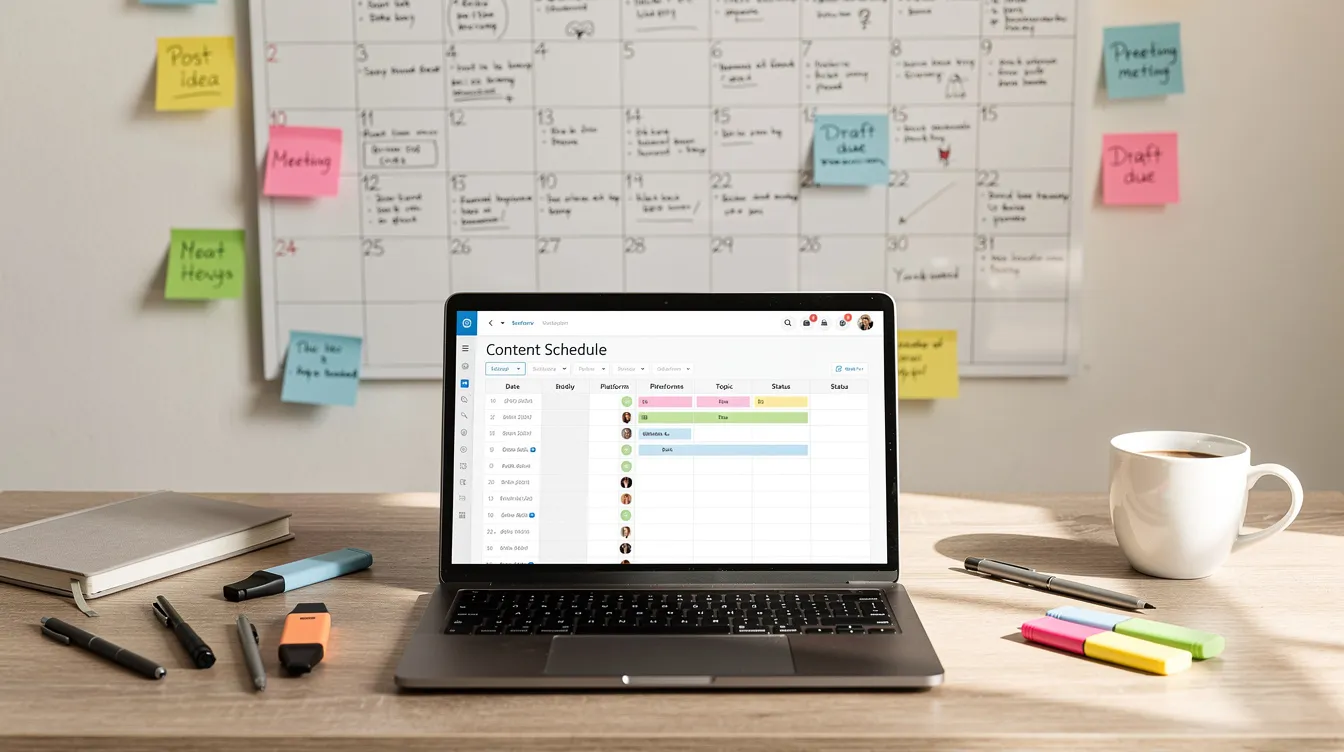
- Content calendar planning and asset production: Creating photo, video, and graphic assets designed for specific platforms and publishing them on a disciplined schedule.
- Daily publishing and management: Posting, monitoring, and adjusting content across channels.
Beyond the basics, a strong media marketing agency handles:
- Community management – responding to comments, DMs, and resharing UGC.
- Social listening – monitoring brand mentions, competitor activity, and category conversations.
- Influencer outreach – identifying, vetting, and coordinating creator partnerships, often through structured food influencer marketing programs.
- Paid media coordination – integrating organic social with advertising campaigns.
Agencies create, target, and manage paid social campaigns alongside organic content. They provide access to specialized talent in various marketing areas – from video editors to media buyers – that most early-stage brands cannot afford to hire in-house. They optimize advertising strategies to improve return on ad spend across platforms. They often use advanced tools for scheduling and analytics that go beyond what native platform dashboards offer.
Critically, a social media marketing agency helps brands grow their online presence by producing custom content tailored to the brand’s voice. Agencies optimize brand presence across platforms like Facebook and Instagram, analyze audience data to refine marketing strategies, and provide community management to engage directly with audiences. Performance analytics help agencies track engagement and optimize content over time. They also monitor brand mentions and manage community engagement activities that build ongoing relationships with customers.
For CPG launches specifically, the agency also collaborates on offer testing – bundles, launch promos, pricing experiments – and feeds results back into positioning and packaging decisions.
Why Launch-Focused CPG Brands Need More Than a Generic Digital Agency
A general digital marketing agency may know how to run Facebook ads or build a content calendar. But launching a food or beverage product requires understanding category validation, retail timelines, co-packer constraints, and regulatory compliance – things most agencies never encounter.
Here is what goes wrong when you work with a non-specialist:
- Campaigns that ignore retailer MAP policies, creating pricing conflicts between DTC and retail channels.
- Demand generated before inventory is ready, leaving consumers unable to find the product and frustrating retail partners.
- Content that makes health or nutrition claims not aligned with what is on the approved label, creating compliance risk.
- Timelines that ignore buyer review cycles at chains like Whole Foods, Sprouts, or Kroger.
Timing matters. A launch-focused social team integrates content calendars with production runs, ship dates, and buyer review windows. They understand that you cannot run a “launch week” campaign if your co-packer is two weeks behind.
Translating sensory experiences – taste, texture, aroma – into short-form content is another skill gap. A digital agency specializing in CPG knows how to shoot a pour, a crunch, a melting chocolate bar in ways that stop thumbs on TikTok and Reels. Generic agencies tend to default to stock-style product shots that blend into the feed.
MAVRK Studio’s integrated model addresses this fragmentation directly: one team handles brand identity, packaging, e commerce, photography, and social in sync. The result is consistency, speed, and messaging that actually reflects what is on the shelf.
MAVRK Studio: From Launch Studio to Social-First Brand Engine
MAVRK Studio is a food & beverage marketing agency built by operators who have taken CPG brands from formulation to national retail distribution. We are not a social-only shop, and we are not a generalist agency that happens to take food clients.
Social media marketing is embedded into our 90-day launch system rather than bolted on after branding and packaging are already finished. This means that by the time your first post goes live, it is aligned with your positioning, your packaging language, your e commerce experience, and your retail pitch.
We use brand validation insights – concept tests, pricing tests, flavor tests – to build the social narrative before packaging ever hits the shelf. If polling data tells us that your target audience cares more about clean ingredients than sustainability sourcing, we lead with that message on social, on packaging, and on your product detail pages.
Our typical client profile includes:
- Funded founders launching a first CPG product in categories like RTD beverages, frozen, snacks, or functional foods.
- Innovation teams inside established companies bringing a new line to market.
- Brand managers executing a relaunch – new packaging, reformulated product, or repositioned brand story.
We coordinate social content with photography, video, e commerce design, and retail sales materials so every channel tells one cohesive story, leveraging CPG branding content formats that drive growth. When your broker shows a buyer your sell sheet, it matches what that buyer saw on Instagram the day before. That consistency is what builds credibility at launch.
Integrating Social Media Into a 90-Day CPG Launch Timeline
A disciplined launch timeline aligns social media tasks with every other launch activity – brand identity, packaging, retailer outreach, and production. Here is how it typically breaks down:
Weeks 1–3: Foundations Concept testing begins (name, flavor, positioning). Audience research defines personas. Teaser content strategy is developed – visual hints, behind-the-scenes footage of early formulation or packaging mockups. Social accounts are set up or refreshed.
Weeks 2–4: Validation Polls, flavor votes, and benefit-priority surveys run on social. Influencer seeding starts. Creative tests (different hooks, formats) launch in low-scale organic or paid. Email and SMS list building begins via landing pages or waitlist signups.
Weeks 4–6: Pre-Launch Ramp The content library expands – studio photography, lifestyle shots, UGC-style assets. Paid campaigns begin testing offers (bundles, introductory pricing). Packaging design and e commerce pages are finalized using messaging validated on social.
Weeks 6–8: Official Reveal Full launch content goes live. Influencer reveal posts are coordinated. Paid social scales up. Retail shelf or online availability is announced. UGC and reviews are actively captured and reshared.
Weeks 8–12: Sustain and Optimize Performance data guides content and messaging adjustments. Community feedback loops inform next production decisions. Influencer partnerships continue. Retail velocity and DTC conversion are measured and reported.
MAVRK schedules content around key operational dates: first production run, first DTC shipment, first in-store availability, and first category review meetings. Social and operations move together.
For restaurant launches, the timeline adapts: soft opening content, friends-and-family previews, reservation drops, and local influencer events replace retailer sell-in milestones.
Organic Social vs. Paid Social: How They Work Together at Launch
Organic social and paid social serve distinct but complementary roles during a CPG launch.
Organic social is your brand’s voice: unpaid posts, community engagement, founder stories, and UGC that build trust and personality. It is where your brand narrative lives day to day. Organic strategies create the foundation of credibility that makes paid advertising believable.
Paid social is the amplification engine: ads on Meta, TikTok, YouTube, and Pinterest that reach new audiences, test offers, and drive measurable conversions. Social media marketing can lower customer acquisition costs when organic content informs paid creative – you already know what resonates before you spend.
The best launch campaigns let organic performance inform paid creative decisions. A Reel that gets strong saves and shares organically becomes a TikTok Spark Ad or Meta conversion campaign. Hooks that generate comments get tested as ad headlines. Agencies develop data-driven plans for marketing strategies by watching what works in the feed before scaling it with budget.
Budget levels for funded CPG launches in 2024–2026 typically fall into these ranges:
| Component | Monthly Range |
|---|---|
| Agency retainer (strategy + content) | $3,000–$10,000+ |
| Ad spend (Meta, TikTok, YouTube) | $5,000–$30,000+ |
| Influencer fees | $1,000–$10,000+ |
| At MAVRK, we integrate organic social and performance media so creative, targeting, and messaging learnings move in both directions, aligning them with modern CPG advertising strategies for F&B brands. When a paid campaign reveals that a specific benefit claim drives higher click-through, that insight feeds back into organic content and even packaging language. |
Key Social Platforms for Food, Beverage, and CPG in 2026
Not every platform matters equally for every product. The best social media strategies match platform strengths to launch objectives.
TikTok: The strongest discovery engine for new brands. Data from Metricool shows that 16.5% of TikTok accounts moved up a size tier in a recent period versus only 8.9% on Instagram – meaning TikTok is more likely to elevate content from unknown brands to new audiences. Ideal for impulse categories like snacks, beverages, and flavor-driven products.
Instagram: The brand credibility and conversion platform. Carousels deliver roughly 5× more views and 6× more interactions than the same format on TikTok. Instagram posts yield about 70% of views within the first three days, making it strong for concentrated launch moments. Best for polished brand storytelling, nutrition breakdowns, and lifestyle imagery.
YouTube: Long-form brand and recipe content with extended shelf life. Founder origin stories, recipe integrations, and production process videos perform well here and continue generating views months after publishing.
Pinterest: Planning and inspiration. Relevant for better-for-you meals, recipe ideas, and health-oriented products where consumers actively search for solutions.
LinkedIn: Niche for B2C, but valuable for B2B audiences – distributors, brokers, co-packers, and retail buyers who evaluate your brand presence before meetings.
The rising role of retail media networks – Kroger Precision Marketing, Walmart Connect, Albertsons Media Collective – means social content increasingly needs to align with in-retail digital advertising and broader CPG marketing strategies. Videos and UGC created for social platforms can serve double duty in retailer ad placements and TikTok Shop.
The right platforms for your launch are the 2–3 channels where your specific audience already spends time – not every platform available.
Influencer Marketing for Food & Beverage Launches
Influencer marketing in CPG is not about celebrity endorsements. It is about creators who can demonstrate product use – recipes, unboxings, taste tests, meal prep – and drive trackable trial among niche audiences.
The distinction between macro-influencers (100K+ followers) and micro or nano creators (1K–50K followers) matters. Micro creators typically deliver higher engagement rates and more authentic recommendations. In food and beverage, a creator with 8,000 followers who is genuinely passionate about clean-label snacks will often outperform a lifestyle influencer with 500,000 followers who posts about everything.
Common partnership formats include:
- Gifted product: Send product in exchange for honest content (lowest cost, lowest control).
- Paid posts: Contracted content with defined deliverables and usage rights.
- Whitelisting: Running ads through the creator’s account for authenticity.
- Affiliate programs: Commission-based compensation tied to sales.
- Ambassador deals: Long-term relationships with sustained content over months.
Agencies conduct influencer outreach and management to expand brand reach across these formats. One alcoholic beverage brand tracked via StatSocial’s loyalty card attribution achieved $2.5 million in incremental sales from influencer campaigns on $674K spend – roughly 3.7× ROAS – with a 28% lift in new customers and 6.6% increase in purchase frequency.
Compliance and logistics add complexity for food and beverage. Shipping perishables to creators requires cold chain coordination. Timing must align with shelf availability so creators are not promoting a product consumers cannot find. Health and nutrition claims in creator content must match approved label language.
MAVRK builds influencer marketing into the launch plan from the start. Creators tell the story during pre-launch teasers, amplify awareness during launch week, and sustain engagement in post-launch review cycles.
Content Creation That Actually Sells Food & Beverage Products
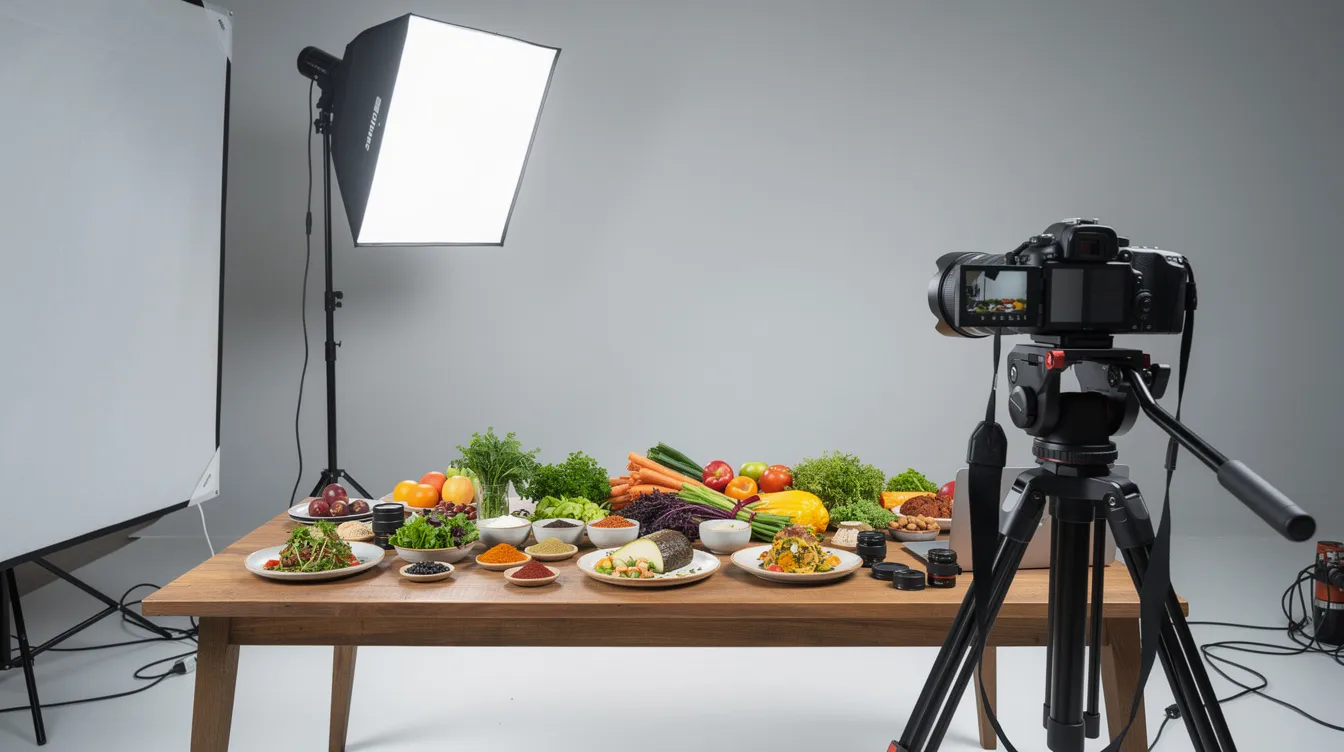
Generic product photos do not sell food. Effective content creation for CPG means producing visuals and videos that make people taste the product through their screen.
What works:
- Close-up product visuals that show texture, color, and condensation (for beverages).
- Recipe integrations demonstrating the product in real meals or snack occasions.
- Lifestyle scenes placing the product in kitchens, gym bags, picnic settings – wherever your consumer actually uses it.
- Founder storytelling that explains the “why” behind the brand.
- UGC-style content shot on phones, designed to feel native to TikTok and Reels.
Higher-quality content is more likely to attract engagement, but “quality” in 2026 does not always mean polished studio production. It means content that feels real, relevant, and visually compelling within the first second.
At MAVRK, photography and video work hand-in-hand with social strategy. We shoot assets specifically designed for vertical video and thumb-stopping hooks – not horizontal hero shots repurposed awkwardly for mobile feeds.
Content angles that consistently perform for food and beverage launches:
- “Behind the scenes at the co-packer” – showing production builds trust.
- “How we developed this flavor” – origin stories humanize the brand.
- “3 ways to use this product in under 5 minutes” – utility drives saves and shares.
- ASMR or sensory depiction – the sound of a can opening, ice clinking, a wrapper crinkling.
Strong content creation at launch reduces future creative fatigue and gives paid campaigns a deeper well of assets to test through creative testing cycles over months.
Building Community Engagement Around a New or Relaunched Brand
Community engagement for CPG is not about collecting followers. It is about building a group of people who care enough about your product to respond, share, and advocate.
Practical community engagement includes:
- Responding to every comment and DM in the first 90 days.
- Resharing UGC – customer photos, recipe recreations, taste reactions.
- Running polls and questions that invite customers into product decisions.
- Hosting founder Q&As on Instagram Live or TikTok Live.
- Asking for serving ideas, recipe variations, and “duet this” challenges.
Social media builds trust and loyalty among customers, and these signals – favorite flavors, packaging feedback, pricing sensitivity – guide future innovation and relaunch decisions. Ephemeral content like Instagram Stories and TikTok Q&A sessions drives higher engagement on social media because it feels immediate and personal.
MAVRK uses community feedback during a 90-day launch to refine positioning, adjust messaging, and even inform next production runs. If 200 people comment asking for a sugar-free version, that data goes into the next SKU planning conversation.
Community engagement is not just a social metric. It can influence retail pitch decks (“our community voted for this flavor”), investor updates (“our engagement rate is 3× category average”), and category positioning statements.
Driving engagement at this level requires dedicated attention – not a founder checking comments between meetings. This is why dedicated community management matters during launch periods.
From Fragmented Vendors to an Integrated Social-First Launch System
The typical food and beverage launch looks like this:
- Hire a branding agency for identity and logo.
- Hire a separate packaging designer.
- Contract a freelancer for social media.
- Bring on a digital agency for paid ads.
- Find a photographer independently.
- Hope everyone communicates with each other.
The result is predictable: inconsistent messaging, missed deadlines, duplicated work, and a brand that looks different on the shelf than it does on Instagram.
Outsourcing social media management saves time for business owners, but only when it is coordinated with everything else and supported by clear processes like those outlined in our packaging, branding, eCommerce, and social FAQs. Clients benefit from a team with experience across multiple platforms and industries – especially when that team is also handling packaging, photography, and e commerce design under one roof.
MAVRK replaces this fragmented model with one integrated team and a single roadmap. Social media, packaging, e commerce, photography, and launch content are planned together from day one. When we brief a photographer, the shot list includes social-specific angles. When we design packaging, we consider how it photographs in vertical video. When we write social copy, it reflects the same claims on the label.
This integration reduces costs and rework. For example, planning social content needs during packaging design means you shoot product photography once – capturing both e commerce hero shots and social lifestyle images in the same session rather than booking two separate shoots months apart.
If you are weighing options between managing multiple vendors and working with a single team, this comparison of DIY, freelancers, and agency models is worth reviewing.
Aligning Social Media With E-Commerce and Retail Readiness
Social media demand without inventory readiness is worse than no demand at all. If your TikTok goes viral and your Shopify store shows “out of stock,” you have wasted the opportunity and frustrated potential clients who may never return.
Best practices for syncing social with commerce:
- Coordinate launch content with inventory availability. Do not announce until product is in the warehouse, 3PL is live, and Amazon or Shopify listings are active.
- Use social to drive traffic to specific destinations – DTC product pages, Amazon listings, or “find us in-store” locators with accurate availability data.
- Capture social proof on DTC channels – reviews, ratings, UGC, testimonials – and repurpose that content for retail sell-in decks and distributor conversations.
Social Commerce simplifies purchases directly on social platforms through features like TikTok Shop, Instagram Checkout, and Facebook Shops. For CPG brands with DTC models, these integrations shorten the path from discovery to purchase. Augmented Reality features on some platforms now allow virtual product trials before purchase – particularly useful for product visualization.
MAVRK’s e commerce design and retail readiness services connect directly with social campaigns. Landing pages, product detail pages, and retailer links are designed to convert social traffic – not just look attractive but actually guide a buyer from a Reel to a checkout.
Measuring retailer velocity changes before and after social campaigns demonstrates impact beyond DTC sales. If weekly scan data at Whole Foods increases 40% in the weeks following a targeted social push, that is the kind of evidence that secures expanded distribution.
Restaurant & Hospitality Launches: Social as the New “Soft Opening”
Restaurant concepts in 2026 use social platforms as their primary launch engine. Many build a waitlist or fan base before doors ever open, using Instagram and TikTok as the new “soft opening” – generating anticipation, testing positioning, and creating opening-night demand.
Specific tactics for restaurant launches include:
- Geo-targeted content reaching users within 5–15 miles of the location.
- Chef and founder stories that introduce the personality behind the concept.
- Menu previews and ingredient sourcing videos that build anticipation.
- Build-out progress reels showing the space coming to life over weeks.
- Local influencer previews where food creators are invited for early tastings.
The differences from CPG are significant. Restaurant launches emphasize local community engagement, reservation management, and reputation across review platforms. A negative Google or Yelp review amplified on social can undermine weeks of content work, so reputation management must be planned alongside content calendars.
Several restaurants between 2022 and 2026 launched with almost no traditional advertising, relying entirely on TikTok and Instagram virality. Build-out content, in particular, creates a narrative arc – followers watch the space transform and feel invested before they ever walk in the door.
MAVRK adapts its 90-day launch system to restaurant timelines, including staff training around social media capture and UGC documentation on opening nights. The principles are the same – validate, build content, launch with momentum – but the operational details shift to match hospitality realities.
Case-Style Examples: How Strategic Social Media Drives Measurable Outcomes
The following composite examples illustrate how integrated social media strategies drive measurable results for food and beverage launches.
Example 1: RTD Beverage Launch – From Zero to Retail in 90 Days
A funded RTD beverage brand used a phased social strategy – teaser content in weeks 1–3, flavor-vote polls in weeks 3–5, and influencer reveal content in weeks 6–8. Results within 90 days: 4,200 email signups pre-launch, 38% DTC conversion rate on launch week, and first retail placement secured at a regional chain based partly on social proof included in the broker pitch. Clients see up to a 35% increase in engagement within 90 days when strategy, content, and community management are aligned from day one.
Example 2: Better-For-You Snack Relaunch – Repositioning Through Social
An existing snack brand with stalled velocity relaunched with updated packaging and a reformulated recipe. Social content led with side-by-side “before vs. after” visuals, creator taste tests comparing old and new formulations, and founder transparency about why the change was made. Within 60 days, retail velocity increased 22% in tracked stores, and the brand secured two new regional distributors who cited social engagement data in their approval decisions.
Example 3: Omnichannel Beverage Flavor Launch
Drawing from industry benchmarks: a beverage brand launching a new flavor used video-led omnichannel strategy, combining Meta ads with retailer onsite placements through the Albertsons Media Collective. The campaign achieved +253% ROAS lift and +146% conversion rate lift. The Reese’s × Oreo collaboration generated $97 million in retail sales within five months through a social breadcrumb strategy that achieved an 18% engagement rate on owned content.
While results achieved vary by category and execution, disciplined planning and integration make outcomes more predictable than ad-hoc posting or last-minute campaigns.
How to Evaluate a Social Media Marketing Agency for a CPG Launch
Not every social media agency is built for launches. When evaluating partners for a food, beverage, or CPG launch, go beyond portfolio aesthetics.
Category experience: Has the agency worked in food and beverage? Do they understand regulations around labeling, health claims, and ingredient veracity? Can they reference specific launch timelines they have managed?
Measurable outcomes: Look for case studies that include CPG-specific metrics – velocity changes, repeat purchase rates, subscriber growth, new-to-brand percentages – not just engagement screenshots. A top social media agency will show how social investment translated to business growth, not just follower counts.
Cross-functional capabilities: Can the agency coordinate with packaging designers, photographers, co-packers, and sales teams? Or do they operate in a silo, posting content without context about what is happening in production or distribution?
Professional agencies craft strategies aligned with business objectives, not templates. Agencies keep up with changes in social media platform algorithms and adjust tactics accordingly. They tailor strategies instead of applying one-size-fits-all packages, and they use data metrics to refine campaigns over time. They track performance metrics to improve future campaigns through structured reporting cycles.
Red flags to watch for:
- Vague reporting with no clear methodology.
- Overemphasis on vanity metrics (follower count, impressions) with no tie to revenue or trial.
- No questions about your inventory, operations, or retail timeline.
- A content calendar that could belong to any brand in any industry.
Ask agencies how they would structure a 60–90 day launch roadmap specifically for your product type and channels. Their answer will tell you whether they understand CPG launches or are simply applying a generic playbook.
Questions to Ask Before Hiring a Social Media Marketing Agency
Before signing a contract, use these questions to evaluate whether an agency can actually deliver measurable results for your launch.
Strategy questions:
- “How would you validate our product story on social before launch?”
- “What platforms would you prioritize for our specific product and audience, and why?”
- “How do you integrate social content with packaging, e commerce, and retail readiness?”
Process and communication questions:
- “What is your meeting cadence and content approval workflow?”
- “Who manages our account day to day – a strategist, a coordinator, or an account manager?”
- “How do you handle launch pivots – delayed production, retailer changes, supply chain issues?”
Measurement questions:
- “Which KPIs do you prioritize for CPG launches?”
- “How do you report on both top-of-funnel awareness and bottom-of-funnel sales impact?”
- “Can you show us an example report from a previous food or beverage client?”
Integration questions:
- “How do you coordinate with e commerce platforms and retail media?”
- “What is your experience with retail buyers, brokers, or distributors?”
Ask agencies for strategic roadmaps during interviews – not just a services menu. Shortlist two or three agencies for comparison and evaluate them against the same criteria. Expect 30 to 60 days for onboarding with a new agency, which means you need to start this process well before your target launch date.
The answers to these questions will quickly reveal whether you are talking to a launch-capable partner or a general social media services provider.
Pricing: What to Expect From a Social Media Marketing Agency in 2026
Pricing varies by scope, platform mix, and content volume. Here is what growth-stage CPG brands in North America should expect.
Typical pricing structures:
| Model | Description |
|---|---|
| Monthly retainer | Fixed fee covering strategy, content production, community management, and reporting |
| Project-based | One-time fee for a defined launch engagement (e.g., 90-day launch) |
| Hybrid | Retainer for ongoing work plus project fees for specific deliverables (video shoots, influencer campaigns) |
| Realistic ranges: |
- Most social media marketing projects cost under $10,000 per month for emerging brands.
- Hourly rates for agencies typically range from $25 to $49, though this model is less common for ongoing management.
- Monthly agency fees can range from $650 to $20,000 depending on scope and scale.
- Mid-market brands may pay $4,000 monthly for content and management.
- New York brands typically invest $3,000 to $10,000 monthly for comprehensive social media services.
- Agencies typically charge $25 to $49 per hour for project-based or consulting work.
Agency fees are separate from ad spend and creation costs like large-scale video shoots or influencer fees. Your total monthly investment includes retainer, ad spend, and any additional production costs.
What is usually included in a retainer:
- Content strategy and calendar
- Content production (photography, video, graphics)
- Community engagement and management
- Monthly reporting and optimization
What is usually not included:
- Ad spend (separate budget)
- Large-scale video production
- Influencer fees (sometimes bundled, often separate)
Agencies often bundle services into retainer or project packages designed for specific launch phases. MAVRK’s social work is part of an integrated 90-day launch system, which means your investment replaces the need to manage multiple fragmented vendors – often reducing total cost compared to hiring branding, packaging, photography, and social separately. For brands exploring funding options for CPG startups, understanding these ranges helps budget realistically.
Metrics That Matter: Measuring Social Media Impact on CPG Launches
Tracking the right metrics at each funnel stage is what separates strategic social media from guesswork.
Top-of-funnel (awareness and discovery):
- Impressions and reach
- Video views and watch-through rate
- Follower growth rate
- Share of voice vs. competitors
Mid-funnel (consideration and intent):
- Engagement rate (comments, saves, shares – not just likes)
- Email and SMS signups from social traffic
- Waitlist registrations
- Add-to-cart events and retailer locator clicks
- Poll and vote participation
Bottom-of-funnel (conversion and revenue):
- DTC revenue attributed to social
- Subscription signups
- Coupon or promo code redemptions
- Changes in retail velocity (weekly scan data)
- Repeat purchase rate
- New-to-brand customer percentage
Social media marketing agencies aim to increase brand awareness and drive traffic, but the agencies that deliver measurable results connect platform analytics (Meta Business Suite, TikTok Analytics, YouTube Studio) with web analytics (GA4, Shopify) and retail data (Nielsen, SPINS, retailer POS) for a complete picture.
For a deeper dive into CPG-specific social metrics, our complete social media guide for CPG brands covers the framework in detail.
MAVRK’s approach to reporting includes regular dashboards with clear narrative around what is working, what needs adjustment, and specific action steps for the next 30–90 days. We do not just deliver numbers – we deliver interpretation and a plan.
Avoiding Common Social Media Mistakes in Food & Beverage Launches
Most launch failures on social are not creative failures. They are planning and operational failures.
Timing mistakes:
- Launching social too late – starting posts the week of launch instead of 60–90 days before.
- Driving demand before inventory is ready, leading to out-of-stock experiences.
- Missing product detail basics on landing pages when social traffic arrives.
Branding mistakes:
- Inconsistent visuals between packaging and social feeds.
- Using generic stock-style photography that does not match the product’s actual look and feel.
- Ignoring vertical video entirely and relying on static images that underperform on TikTok and Reels.
Strategic mistakes:
- Copying trends without tying them to the product’s actual value proposition.
- Over-relying on discounts and promotions, which trains consumers to wait for deals.
- Ignoring community feedback – treating social as a broadcast channel, not a conversation.
- Failing to plan for customer service responses when volume increases at launch.
Notably, 77% of businesses use social media effectively for growth, but effectiveness requires intentional planning – not just presence. Among the 77% of businesses that use social media effectively, the common thread is disciplined strategy, not just active accounts.
Practical fixes:
- Start social 60–90 days before ship date.
- Build a core content library of 40–60 assets before launch week.
- Map out FAQ and response templates for common questions.
- Align social calendar with inventory and operations calendar.
A launch-focused social media marketing agency like MAVRK is structured to anticipate and prevent these issues because we understand production, distribution, and retail dynamics – not just content.
How Social Media Supports Brand Validation and Product-Market Fit
Pre-launch social can serve as a live testing ground for your most important brand decisions – before you commit to a large production run or finalize packaging.
What you can validate on social:
- Product naming and brand positioning
- Packaging mockup preferences (A vs. B designs)
- Flavor lineup prioritization
- Messaging angles (health benefits vs. taste vs. convenience)
- Price sensitivity
Iterative testing tactics:
- A/B testing hooks in Reels – which benefit claim gets more saves?
- Polling followers on flavor or ingredient preferences.
- Running small paid tests on different offer variations ($1 trial vs. bundle deal).
- Posting packaging mockups and measuring comment sentiment.
Early learnings can lead to concrete changes. If social data shows that “no added sugar” consistently outperforms “plant-based” as a hook, that insight should influence your front-of-pack hierarchy, your hero SKU selection, and potentially even your distribution strategy.
For example, shifting messaging based on social feedback can improve click-through and add-to-cart rates by double digits – and you discover this before printing 50,000 units of packaging with the wrong lead claim.
Clients see up to a 35% increase in engagement within 90 days when they use the validation period to refine messaging before scaling content production. The improvement compounds because every subsequent post builds on a tested foundation rather than guesswork.
This connects directly to MAVRK’s validate-first methodology: social functions as both a signal generator and a launch amplifier. We test before we build, and we build based on what the data tells us.
CPG Relaunches: Using Social to Rewrite a Product’s Story
A relaunch means the product already exists but needs a new chapter: updated formulation, refreshed packaging, repositioned messaging, adjusted price point, or expansion into new channels.
Social media is uniquely powerful for relaunches because it lets you control the narrative. Instead of quietly swapping packaging on shelf and hoping consumers notice, you can proactively explain what changed and why.
Effective relaunch content tactics:
- Side-by-side “before vs. after” visuals showing old and new packaging, ingredient lists, or nutritional panels.
- Creator taste tests comparing the previous version to the reformulated product.
- Founder transparency videos explaining the reasoning behind the change – what consumers asked for, what the brand learned, and what is different now.
- User polls asking existing customers to rate the new version.
Handling existing customers on social requires care. Loyal buyers who knew the previous version may resist change. Transparency, active social listening, and involving them in the story – “you told us you wanted less sugar, so we reformulated” – turns potential detractors into advocates.
For brands concerned about confusion during a relaunch, the key is sequencing: announce the change on social before it appears on shelf, explain the rationale clearly, and use engaging content to build excitement rather than anxiety.
MAVRK structures relaunch content and timing to maximize curiosity while minimizing confusion. We treat a relaunch with the same rigor as a new launch – because in the consumer’s mind, it is a new decision.
Coordinating Social Media With Co-Packers, Distributors, and Brokers
One of the most overlooked aspects of a CPG social media strategy is operational coordination. Your social team cannot work in isolation from the people manufacturing, shipping, and selling your product.
Why coordination matters:
- If social campaigns generate demand before your co-packer has finished the production run, you disappoint consumers and frustrate retail partners.
- If your broker is pitching to a retailer next week but your social presence is dormant, you lose credibility in the meeting.
- If your distributor is not stocked and staffed for increased volume, viral social content creates backorders instead of revenue.
How social assets support the trade:
Social content, UGC, and engagement data are not just for consumers. They serve as proof of demand in:
- Broker pitches to retail buyers
- Distributor line review presentations
- Category management conversations
- Investor decks and fundraising materials
Communication best practices:
- Share your social campaign calendar and expected promotional spikes with co-packers and distributors.
- Provide advance notice of influencer drops or paid media pushes that may spike volume.
- Send weekly or bi-weekly social performance summaries to your broker so they have fresh data for buyer conversations.
MAVRK’s retail and manufacturing experience allows us to plan social around operational realities, not wishful thinking. When we build a launch calendar, production capacity, ship dates, and buyer windows are on the same timeline as content calendars and ad flights. This integration is what separates a launch-focused approach from a social-only approach.
Working With MAVRK Studio as Your Social Media Launch Partner
A typical engagement with MAVRK starts with understanding where you are in the launch process and what needs to happen next.
The process:
- Discovery: We review your product, category, competitive landscape, and timeline. We ask about production status, target retail channels, funding, and existing brand assets.
- Validation: We test positioning, messaging, and audience assumptions using social data and market research before locking in creative direction.
- Brand and packaging development: Identity, packaging design, and e commerce are developed in parallel with content strategy – not sequentially.
- Content planning and production: Platform strategy, content calendar, photography, video, and UGC-style assets are produced for launch and ongoing use.
- Launch execution: Organic social, paid social, influencer coordination, and community management run in sync with retail outreach and DTC activation.
Social-specific components include:
- Platform-by-platform content strategy with tailored strategies for each channel.
- Content calendar aligned to production and retail milestones.
- Asset production in formats optimized for TikTok, Instagram, YouTube, and Pinterest.
- Community guidelines and response frameworks.
- Paid media coordination with defined budgets, targets, and reporting.
Our collaboration model includes weekly or bi-weekly check-ins, shared dashboards, and clear approval workflows. We work with both first-time founders and established companies with innovation teams, adjusting depth and complexity based on your digital expertise and internal resources.
To explore working together, we typically request:
- Product details (formulation status, production timeline)
- Target launch date and retail channel targets
- Budget range for launch investment
- Existing brand assets (if any)
- Key competitive context
From there, we scope a 90-day launch engagement tailored to your specific situation – not a one-size-fits-all package. For many clients, this engagement consolidates what would otherwise require coordinating across various industries and vendor types.
Conclusion: Turning Social Media Into a Launch Asset, Not a Last-Minute Task
For food, beverage, and CPG brands, social media is now central to launch success. It is not an optional add-on after branding and packaging are done. It is where your target audience discovers you, where retail buyers validate you, and where your brand story either builds momentum or gets lost in the noise.
Working with a launch-specialized social media marketing agency that understands CPG, retail readiness, and restaurant realities gives you advantages that a generic agency cannot replicate: industry expertise, operational coordination, sensory content translation, and measurement tied to sales velocity rather than vanity metrics.
The brands that treat social as part of an integrated launch system – spanning brand identity, packaging, e commerce, photography, and paid media – see compounding returns, especially when they apply insights from our creative agency resources and archives. Strong social foundations at launch make every subsequent line extension, flavor drop, and new market entry easier because the audience, content engine, and measurement framework already exist.
Looking ahead, innovative strategies combining social content with retail media networks, closed-loop attribution, and immersive content formats will continue raising the bar for what a successful CPG launch looks like. The brands that invest now in building that foundation will have a significant head start.
Take a hard look at your current launch plan. Identify where social media and community-building are underdeveloped or misaligned with your production and retail timelines. If the answer is “everywhere,” it may be time to stop managing fragments and start working with one team built for launches. Stories sell when every piece of the launch works together.