



CPG brands, or consumer packaged goods brands, are companies that produce everyday products such as food, beverages, personal care, and household items that consumers buy frequently. In a highly competitive market, a strong brand identity is what sets successful CPG brands apart.
Today’s consumers look for authenticity, purpose, and stories that align with their values, not just products on the shelf. To meet these expectations, CPG brands must move beyond surface-level promotion and invest in strategic storytelling—often supported by an experienced CPG marketing agency.
In this blog, we highlight six content formats that form the foundation of an effective consumer goods branding and CPG marketing strategy.
1. Educational Content
Educational content strengthens branding strategies in the CPG industry by building credibility and helping consumers clearly understand a product’s value. When supported by strong brand management, it not only increases awareness but also builds trust, turning that trust into long-term loyalty and stronger shelf space presence. Below are effective formats for creating impactful educational content:
- How-To Videos or Short Reels: Show practical uses (e.g., “How to Brew the Perfect Cold Matcha at Home”).
- Ingredient Spotlights: Highlight sourcing transparency, quality standards or scientific benefits.
- Expert-Backed Blog Posts: Offer insights on wellness, nutrition or product innovation.
- Infographics: Visually explain processes, benefits or sustainability efforts for packaging and social media.
2. Social Impact Content
Consumers expect brands to reflect their values and take meaningful action. In fact, Edelman’s Trust Barometer reports that 84% of consumers want brands to show shared beliefs before earning their loyalty.
As part of an effective marketing strategy, integrating social impact initiatives helps brands connect with their target audience on a deeper level and positively influence consumer buying decisions while fostering long-term loyalty.
Strong examples of social impact content include:
- Behind-The-Scenes Videos: Highlight sustainability initiatives or eco-friendly production.
- Community-Driven Stories: Feature employees or local partners creating positive change.
- Partnership Spotlights: Showcase collaborations with charities, fair-trade groups or NGOs.
- Impact Reports: Share transparent metrics and achievements through social media or digital publications.
3. Interactive Content
Interactive content transforms passive consumers into active participants by encouraging curiosity, interaction, and data-driven insights. As discussed in our blog about “what a CPG agency does and why brands need one”, audience engagement lies at the heart of every strong consumer brand strategy.
In CPG branding, this format does more than entertain, it helps each product build long-term relationships, drive engagement, and capture valuable insights into consumer preferences, giving established brands the feedback they need to refine product innovation and strengthen marketing strategies.
Here are Examples of Interactive Content:
- Quizzes: “Which Snack Flavor Matches Your Mood?” is great for engagement and lead generation.
- Polls: Quick voting on new flavors or packaging designs via Instagram or TikTok.
- Augmented reality experiences: Let customers visualize your product in their homes or kitchens.
- Interactive emails: “Choose-your-own-adventure” campaigns that personalize the customer journey.
4. Community-Focused Content
Community-focused content strengthens brand connection by highlighting real people and authentic stories that humanize the brand, fostering a deeper connection. This approach goes beyond user-generated content or reviews by linking emotional storytelling with strategic product positioning, supporting purchasing decisions, and ultimately driving sales.
According to McKinsey, with 30–40% of consumers actively switching brands, awareness alone is no longer enough. A modern CPG marketing strategy must focus on community building, turning passive buyers into passionate advocates who drive trust, engagement, and long-term loyalty.
Effective ways to create community-focused content:
- Customer Spotlight Series: Feature loyal customers through mini-interviews and photos.
- Community Events: Host and share visual recaps on blogs or social media.
- Branded Hashtags: Encourage consumers to tell stories, not just post product shots.
Example: Spindrift, the first U.S. sparkling water brand made with real fruit, has built an online community through genuine and real-time engagement. Their witty and transparent tone on social media turns casual followers into vocal brand advocates, proving that community-driven dialogue can elevate a brand’s authenticity and reach.
5. Behind-the-Scenes Content
Behind-the-scenes content adds authenticity to consumer goods branding by showing the people and creative process behind the products. It helps turn a brand from a faceless company into a relatable story that consumers can emotionally connect with. This approach aligns with how market research supports stronger brand positioning by revealing audience perceptions and motivations.
This content format is effective for showcasing innovation, collaboration and company culture. Whether you’re launching a new line or refining your consumer packaged good design, behind-the-scenes storytelling shows the thought and craftsmanship behind every detail.
Here are professional ways to use behind-the-scenes content:
- Product Innovation Stories: Share sourcing journeys or early design sketches.
- Short-Form Videos: Use Reels or Stories to introduce team members and humanize your brand.
- Authentic Production Moments: Highlight both small wins and unexpected challenges to show transparency.
6. Influencer Marketing Content
Influencer marketing goes far beyond sponsored posts, but it’s about genuine collaboration. The most effective partnerships feel natural, where creators act as storytellers who extend your brand’s credibility rather than just its reach.
Effective Influencer Collaboration Strategies Include:
- Co-creating products or limited-edition flavors to drive buzz and exclusivity, a strategy used by influencers who successfully build their own brands.
- Behind-the-scenes vlogs that showcase real experiences with your brand.
- Product tests or CPG co-challenges that spark interactive participation.
- Boosting influencer content through paid media while maintaining authenticity.
When influencers share your brand’s values, their support feels genuine. This builds trust, strengthens loyalty, and turns followers into real advocates, which makes influencer content one of the most effective tools in CPG marketing.
Which Platforms Are Most Suitable For Building CPG E-commerce Websites?
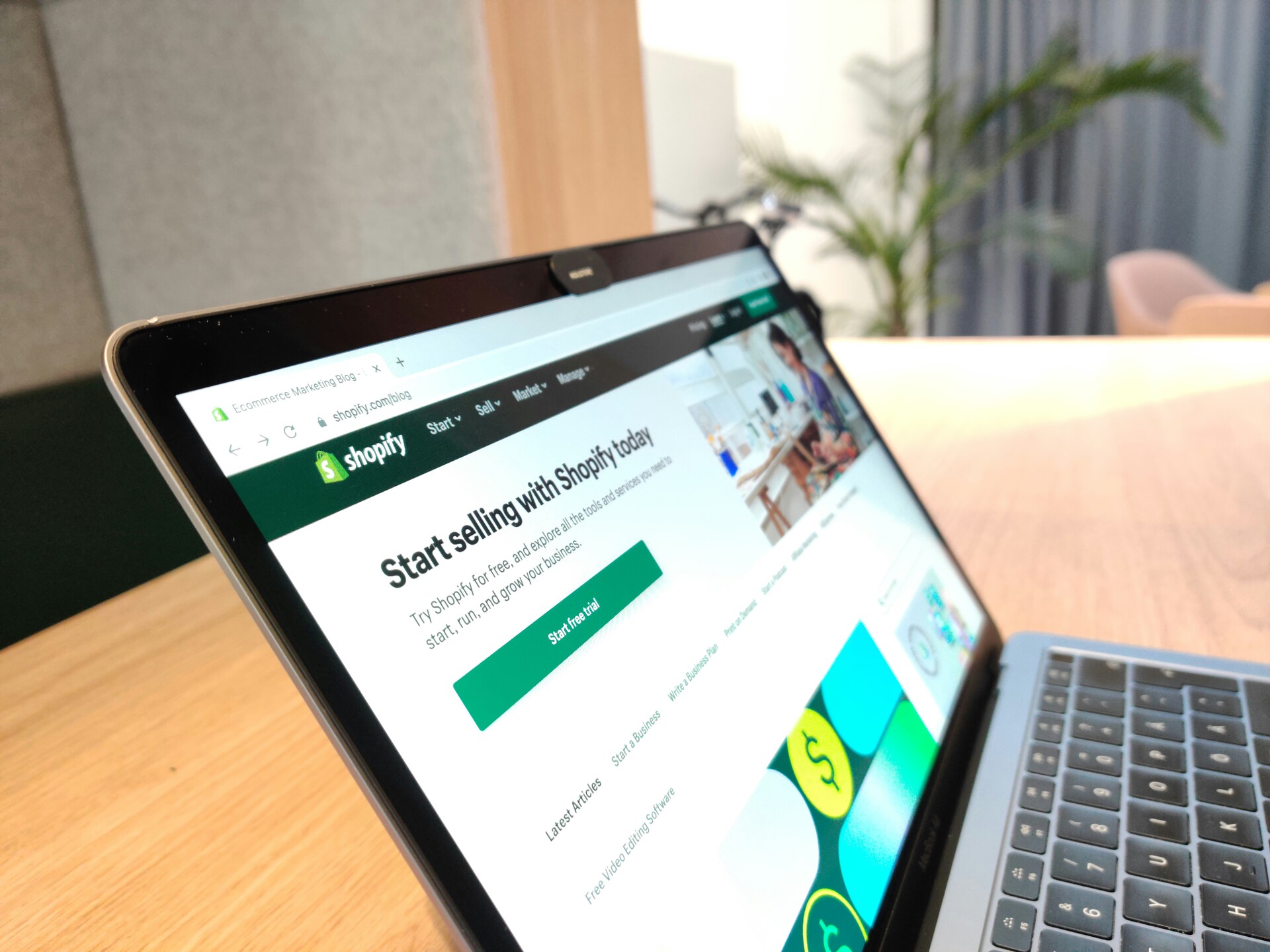
For CPG (Consumer Packaged Goods) ecommerce websites, especially in the United States, the best platform depends on your business size, technical resources, and growth strategy (e.g., direct‑to‑consumer website vs. marketplace presence). Here’s a breakdown of the most suitable e-commerce platforms you might consider:
- Shopify (Best Overall for CPG DTC Stores): It is a widely used, scalable SaaS ecommerce platform with a strong ecosystem, apps, and third‑party integrations. Easy to launch and manage without developers, yet powerful enough for larger stores with Shopify Plus. Offers multi‑channel selling (online store, marketplaces, social commerce, POS). Shopify is an excellent choice for new and growing CPG brands focusing on direct‑to‑consumer (D2C) sales.
- WooCommerce (WordPress) (Highly Customizable & Cost‑Effective): An open‑source e-commerce plugin for WordPress, ideal if you already use WordPress. Flexible with thousands of plugins for merchandising, subscriptions, and marketing. Works well for mid‑size CPG brands with some technical support. Great option if you want control over design and features and are comfortable with hosting/maintenance.
- Magento / Adobe Commerce (Enterprise‑Level Customization): It is a highly flexible, open‑source platform suited for large, complex CPG ecommerce operations. It has strong scalability and customization for product catalogs, pricing rules, and integrations. Ideal for large brands or omnichannel businesses with strong developer resources.
- BigCommerce (Strong Mid‑Market & B2B Support): SaaS platform with robust built‑in features, strong APIs, and marketplace integrations. Supports both B2C and B2B CPG sales, which is valuable if selling to retailers or partners. A good alternative to Shopify for brands that want more native features without too many add‑ons.
- Ecwid (Embed Ecommerce into Existing Site): Lets you add ecommerce functionality to virtually any existing website easily. Simple to set up with decent selling tools. Best for small CPG brands that already have a content site and want a quick shop setup.
Building Stronger CPG Brands Through Smart Strategy
Effective CPG branding goes beyond visuals, but it’s built on strategy, storytelling, and consistency. For a CPG company, every touchpoint plays a role in building brand awareness, shaping how consumers connect with your brand through everything from educational explainers to behind-the-scenes content.
MAVRK Studio develops cohesive CPG identities that align design, packaging, and digital presence to drive lasting growth. Our strategic process ensures your brand is positioned for both retail and online success from naming and identity to DTC websites, SEO content, and marketplace optimization.