

The difference between a hotel that fills rooms profitably and one that hemorrhages margin to OTAs often comes down to one decision: who handles the marketing. This guide breaks down what a hospitality marketing company actually does, why generalist agencies fall short, and how to choose the right marketing partner for your property, restaurant concept, or portfolio.
Fast Answers: What a Hospitality Marketing Company Actually Does
A hospitality marketing company is a specialized agency built around the unique economics and guest dynamics of hotels, resorts, restaurants, and tourism brands. Unlike a general marketing agency, it understands perishable inventory, complex distribution channels, and the high-stakes relationship between online perception and in-person experience.
Core outcomes these agencies deliver:
- Increase direct bookings and reduce costly OTA dependence
- Improve online reputation scores across Google, TripAdvisor, and OTA platforms
- Grow RevPAR (revenue per available room), occupancy, and ADR (average daily rate)
- Strengthen hospitality brands for long-term differentiation and loyalty
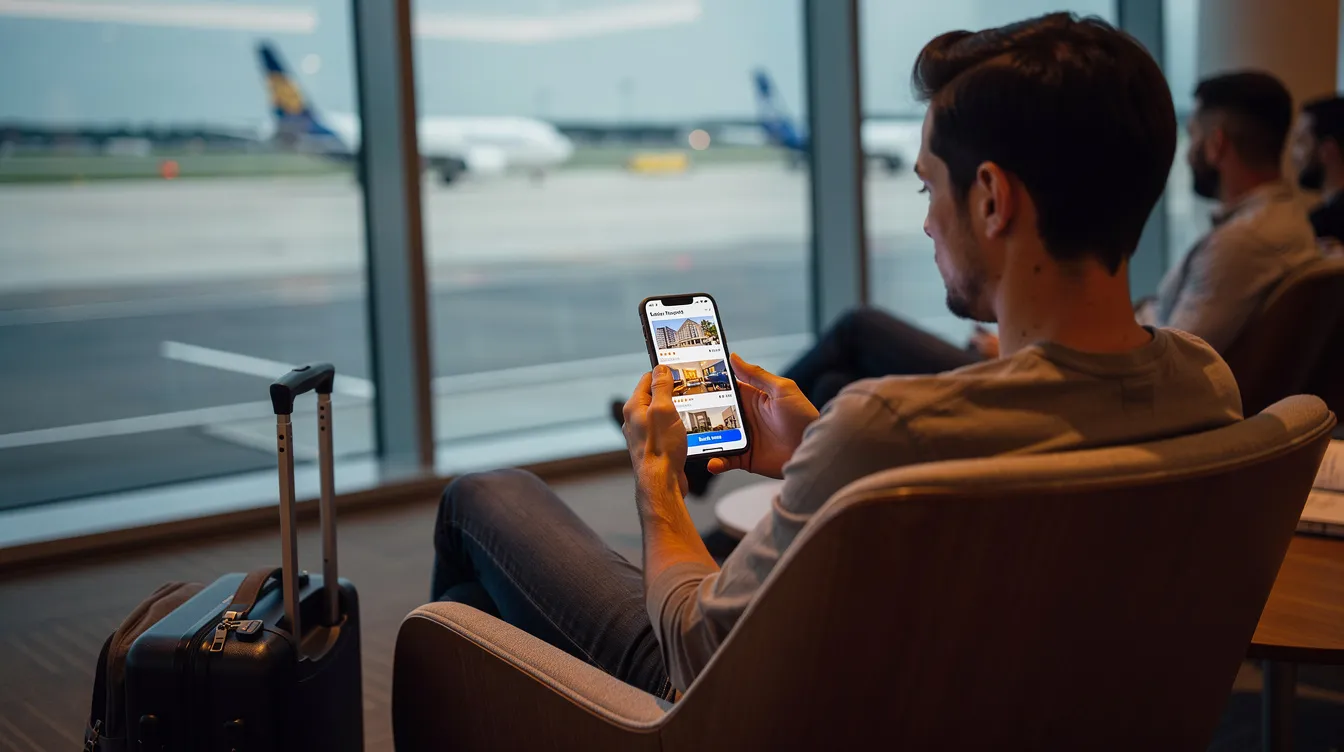
In 2026, over 70% of trip research and nearly half of hotel bookings begin on mobile devices, making digital marketing services and mobile-first execution non-negotiable for any serious property.
Who typically hires a hospitality marketing agency? Independent hotels, luxury hotels, boutique properties, hotel management companies, resort groups, and restaurant groups expanding into travel-adjacent experiences.
While MAVRK Studio focuses on food, beverage, and restaurant brand launches, the same launch principles apply directly to new hotel concepts, F&B outlets inside hotels, and experiential hospitality brands that need market validation and a commercially ready digital presence from day one.
Why Hospitality Needs Specialized Marketing (Not Just Any Agency)
Hospitality operates under rules that most industries never face. An unsold hotel room at midnight is gone forever. A half-empty dining room on a Saturday night can’t be restocked next week. Seasonality swings demand wildly, and OTA commissions of 15–25% silently erode margins on every third-party booking.
The guest experience often starts 30 to 90 days before arrival. During that window, potential guests are scanning your hotel website, reading reviews, comparing rates on OTAs, and scrolling Instagram for proof that the property matches the promise. Your online visibility is effectively the first lobby they walk through.
A general marketing agency typically struggles here because it lacks familiarity with booking engines, rate parity, channel managers, and how hotel management companies evaluate hotel marketing performance through metrics like RevPAR, ADR, occupancy, and direct vs. OTA mix.
Consider a 120-room urban hotel where 60% of bookings flow through OTAs at a 20% commission rate. If a focused hospitality marketing strategy shifts even 20% of those bookings to direct channels, the property recovers thousands in monthly margin without selling a single additional room.
Restaurant and food & beverage concepts embedded in hotels, from chef-driven outlets to rooftop bars, also need coordinated marketing with the hotel brand. This is where MAVRK’s F&B launch expertise is particularly relevant.
Why choose a specialized hospitality marketing company:
- Deep fluency in hospitality operations, distribution, and revenue management
- Ability to connect physical guest experience with digital touchpoints
- Mastery of hospitality-specific channels: OTAs, metasearch, reputation platforms
- Integrated creative that captures both lodging and F&B storytelling
Core Hospitality Marketing Services That Drive Bookings
The best hospitality marketing agencies provide an interconnected set of hospitality marketing services designed to drive bookings, not just generate impressions. Here are the main service pillars:
- Digital strategy and channel mix planning – Analyzing which channels (direct website, OTAs, metasearch, GDS, corporate accounts) deliver the highest contribution margin and allocating budget to drive direct revenue, not just traffic.
- SEO and local SEO – On-page optimization for hotel marketing keywords, schema markup for hotels and events, Google Business Profile management, and content clusters around local attractions. Drives online visibility and organic direct bookings.
- Paid media – Google Ads, google hotel ads, Meta campaigns, metasearch (Trivago, TripAdvisor, Kayak), and retargeting to capture high-intent travelers and boost direct bookings.
- Web design and UX – Mobile-first website development focused on speed, low-friction booking paths, and conversion. A slow or confusing hotel website is a gift to your OTA competitors.
- Content marketing – Destination guides, F&B storytelling, experience-driven content that increases dwell time, supports SEO, and moves guests from inspiration to reservation.
- Email marketing and CRM – Pre-arrival upsell flows, loyalty programs, and post-stay re-engagement campaigns that build lifetime value and repeat stays.
- Online reputation management – Monitoring and responding to reviews across Google, TripAdvisor, Booking.com, and Expedia. Feeding operational insights back to management.
- Social media marketing and travel influencer partnerships – Short-form video, UGC, influencer collaborations, and social media management that connect brand storytelling with commercial outcomes.
Several of these pillars mirror MAVRK Studio’s integrated launch capabilities, specifically brand identity, content, photography, and paid media. For new restaurants inside hotels or experiential concepts intended to become bookable hospitality brands, MAVRK provides the same coordinated infrastructure from validation through launch.
Designing a Hospitality Marketing Strategy Around the Guest Journey
Effective hospitality marketing is a full-funnel system. It covers every moment from the first spark of travel inspiration through post-stay advocacy, and a hospitality marketing company builds marketing strategies around each stage.
The modern travel customer journey includes these stages:
- Inspiration – Social media storytelling, PR placements, travel media group features, and destination content that place the property in a guest’s imagination before they start comparing options.
- Research – SEO-driven content, FAQ pages, comparison landing pages, and optimized Google Business Profiles that answer the questions guests ask during planning. This is where hospitality digital marketing earns its keep.
- Comparison and booking – Conversion-optimized landing pages, rate parity messaging, and direct-booking incentives that tilt guests toward your owned channels. The goal: more direct bookings, fewer OTA commissions.
- Pre-arrival – Email flows with upsell offers (late checkout, spa, restaurant reservations), retargeting to close abandoned bookings, and mobile check-in instructions that build anticipation.
- Stay – On-property signage, QR-driven experiences, and in-room digital touchpoints that connect the physical guest experience with your digital channels and boost guest engagement.
- Post-stay – Automated review requests, loyalty offers, and personalized campaigns based on stay data that feed the reputation and rebooking cycle.
For brand-new hotels or restaurant concepts, this entire customer journey must be architected before opening day. MAVRK’s 90-day launch model is built around this principle: constructing the commercial toolkit, identity, content, and digital infrastructure so every touchpoint is live when doors open.
Digital Foundations: Websites, SEO, and Local Search for Hotels and Restaurants
For most travelers in 2026, a property’s website and local search presence are the deciding factors between booking direct, booking via OTA, or choosing a competitor entirely. Hospitality website conversion rates hover around 2.1–2.7% across mobile and desktop, which means every fraction of friction you remove translates directly into revenue.
What an effective hospitality website needs:
- Clean, mobile-first design with sub-3-second load times
- A clear booking CTA above the fold and on every major page
- High-impact photography and video of rooms, public spaces, and F&B
- Structured navigation separating rooms, amenities, dining, meetings/events, and offers
- Accessibility compliance and multilingual options for global travelers
Hotel and restaurant SEO essentials:
- On-page optimization for location-specific terms (e.g., “pet-friendly hotel in Austin,” “rooftop bar downtown Chicago”)
- Technical SEO including schema markup for hotels, events, menus, and FAQs
- Content clusters around local attractions, seasonal events, and itineraries that build organic authority
Local SEO specifics:
- Fully built-out Google Business Profiles for both the property and on-site restaurants or bars
- NAP (Name, Address, Phone) consistency across all directories
- Active management of Q&A, photos, and attributes like “luxury hotel” or “family-friendly”
These principles mirror the conversion-focused approach MAVRK applies when building restaurant websites optimized for reservations. Whether the goal is product sales or table bookings, the fundamentals of speed, clarity, and persuasive design remain identical.
Paid Media and Metasearch: How Agencies Drive More Direct Bookings
Paid channels are the fastest lever for shifting bookings from OTAs to direct, especially for independent hotels, boutique hotels, and luxury resorts that can’t rely solely on brand.com recognition. A hospitality digital marketing agency structures digital advertising to generate direct revenue, not just clicks.
Common paid channels for hospitality businesses:
- Google Search Ads – Targeting high-intent queries like “boutique hotel in Chicago with rooftop bar” to capture travelers already in booking mode.
- Google Hotel Ads and metasearch – Platforms like TripAdvisor, Trivago, and Kayak display real-time rate and availability alongside OTA listings, giving properties a direct booking path.
- Meta (Facebook/Instagram) campaigns – Remarketing to site visitors and lookalike audiences built from past guests. Strong for awareness and social proof.
- Programmatic and display – Brand awareness campaigns in key feeder markets, driving online advertising reach at scale.
How a hospitality marketing company structures campaigns around revenue:
- Bidding strategies tied to ROAS or cost per booking, not cost per click
- Dynamic ad creative keyed to dates, rates, and local events
- A/B testing of offers (e.g., 10% off direct bookings vs. free breakfast) to identify what reliably drives bookings and keeps ad spend efficient
F&B and experiences should be promoted alongside rooms. Restaurant tasting menus, wine pairings, chef events, and spa packages grow total revenue per guest and differentiate the property from commodity OTA listings.
Top hospitality marketing agencies combine performance marketing with analytics dashboards that give GMs and revenue managers a clear view into what media actually fills rooms and seats, not just what generates impressions—an approach echoed in MAVRK’s creative agency insights on design and digital growth.
Reputation Management: Turning Reviews into Revenue
In 2026, more than 80% of travelers check online reviews before booking, and even a 0.5-point rating increase on Google or TripAdvisor can measurably shift both occupancy and ADR. Your online reputation is not a vanity metric; it is a direct revenue driver.
What reputation management looks like in practice:
- Monitoring reviews across Google, TripAdvisor, Booking.com, Expedia, and social platforms continuously
- Responding quickly with brand-consistent, empathetic communication that demonstrates accountability
- Identifying operational patterns from negative feedback (housekeeping delays, check-in friction, F&B wait times) and feeding those insights back to management companies for operational improvement
How hospitality marketing agencies automate review generation:
- Post-stay email and SMS flows triggered by checkout
- QR codes at the front desk, in-room, or on restaurant receipts
- Compliant, non-incentivized prompts that encourage honest guest feedback
Better reviews create a compounding effect. They improve local SEO rankings, increase click-through on google hotel ads results, and build trust when guests compare direct channel pricing against OTAs. Properties that improve online reviews also see direct booking growth as guests feel more confident bypassing third-party platforms.
A practical example: a midscale urban hotel that implemented automated post-stay review requests and in-stay sentiment checks lifted its average Google rating by 0.4 points over six months, contributing to measurable increases in both organic traffic and direct bookings.
Restaurant and bar reviews inside a hotel can materially shape perception of the entire property. This is where MAVRK’s experience in building restaurant brands and shaping guest expectations adds direct value.
Branding and Creative: Building Hospitality Brands Guests Remember
Brand is more than a logo. For luxury and boutique properties especially, visual identity, brand storytelling, and experience must feel cohesive across every touchpoint, from the website to the lobby to the in-room dining menu. Creative excellence is what separates a forgettable stay from one guests talk about.
Key brand elements a hospitality marketing company shapes:
- Positioning – Defining who the property is for: families, business travelers, luxury leisure seekers, adventure enthusiasts, or foodies.
- Visual identity – Logo, color palette, typography, and photography direction that carry through digital and physical environments.
- Voice and messaging – Consistent tone for website copy, email marketing, in-room materials, and on-property signage.
- Experience cues – How F&B concepts, lobby design, uniforms, and digital touchpoints reinforce the same narrative.
Multi-concept properties face a particular challenge. A hotel with three restaurants, a rooftop bar, a speakeasy, and a spa must balance distinct sub-brand identities under one coherent umbrella brand strategy. Without disciplined creative systems and clear hospitality branding strategies that stand out, the guest experience fragments.
This connects directly to MAVRK Studio’s DNA as a launch studio and its broader branding capabilities for hospitality and consumer brands. Launching a new rooftop restaurant or lobby café inside a hotel involves the same integrated branding, packaging (menus, signage, merchandise), and content thinking MAVRK applies to CPG food and beverage brands.
For opening or rebranding properties, this creative work must be finished and tested before launch, ideally within a 60 to 90 day runway so all channels go live together. In 2026, visual trends lean toward texture, warmth, and authenticity, showing real kitchens, real staff, and crafted details rather than sterile stock imagery—especially for properties partnering with a dedicated restaurant branding company that builds strong brands to anchor their F&B concepts.
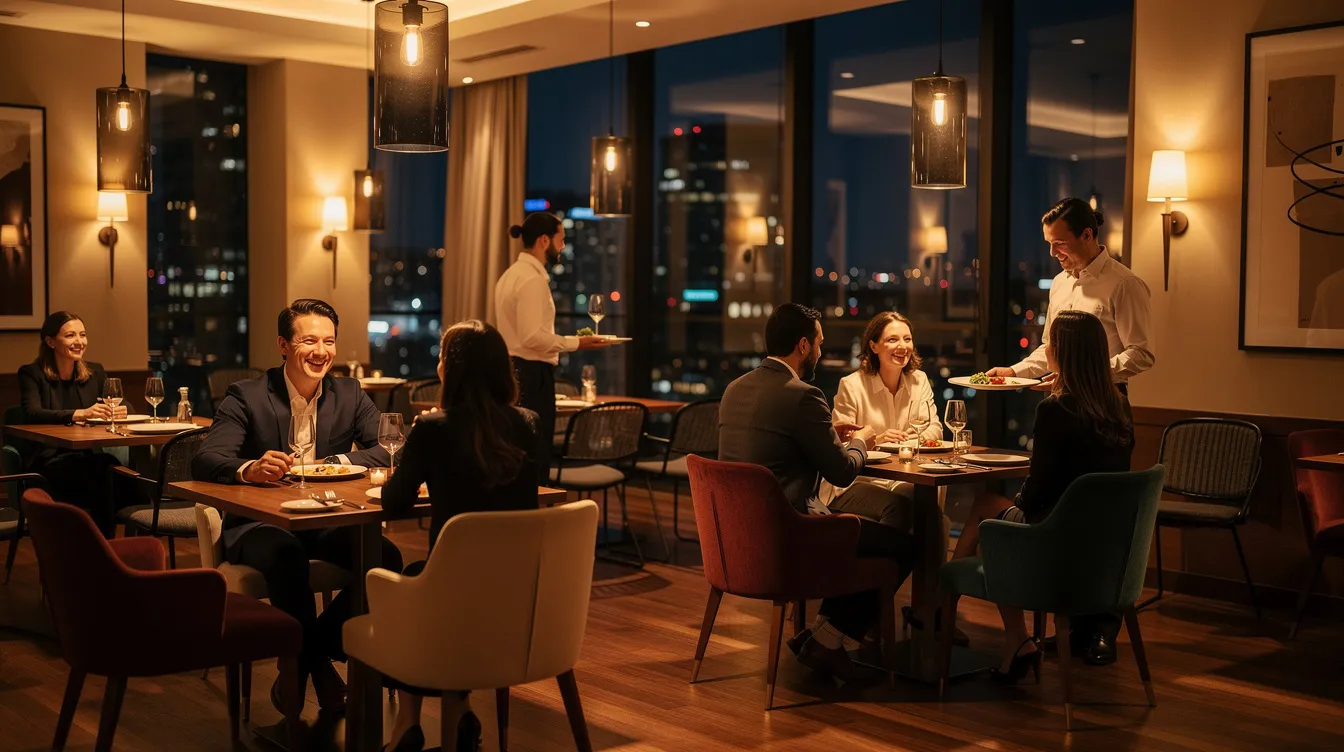
Launching and Relaunching Hospitality Concepts: Openings, Renovations, and Rebrands
New hotel openings, brand conversions, and major renovations are high-risk, high-reward moments where a hospitality marketing company’s launch process matters most. The first 90 days set the trajectory for years of guest perception and revenue performance.
Phases of a successful launch or relaunch:
- Market and category validation – Understanding demand, competition, guest demographics, and rate potential before committing to positioning. Testing interest via social ads or surveys reduces risk.
- Positioning and messaging – Defining what’s new or different. For rebrands, clarifying what has changed versus what loyal guests can still expect.
- Pre-opening marketing – Teaser campaigns, press outreach, email list building, and soft-opening offers to generate anticipation and early social proof.
- Launch window – Coordinated push across OTAs, direct channels, email, social media marketing, and PR during the first 90 days. Special offers to incentivize early bookings that generate reviews.
- Post-launch optimization – Adjusting offers, creative, and channel weights based on performance data and guest feedback. Iterating messaging around what resonates.
Restaurant openings within hotels follow similar phases, with a sharper focus on attracting local diners alongside in-house guests. Applying food and beverage marketing strategies that drive growth ensures those concepts build sustainable local demand beyond room guests. MAVRK’s specialized 90-day launch system for food and beverage brands provides a proven track record and template for this exact scenario.
Consider a legacy hotel renovating and repositioning from midscale family to modern upscale in 2027. The hospitality marketing agency would orchestrate updated F&B concepts, new photography, refreshed website optimization, targeted campaigns to previous guests and new audiences, and coordinated OTA listing updates, all timed to construction milestones and staffing readiness.
Coordination with operations and revenue management is critical. Pricing must match launch timing, room inventory, kitchen readiness, and staffing capacity. Marketing promises that outpace operational reality generate negative early reviews that are nearly impossible to recover from.
Working With Hotel Management Companies and Ownership Groups
Decision-making in hospitality is rarely simple. Owners, management companies, asset managers, brand flags for franchised hotels, and on-property teams all have a stake. A hospitality marketing agency must operate as a strategic partner across these layers, not just a service provider reporting to one stakeholder.
How the agency fits into this structure:
- Translating owner goals (NOI, asset value, exit positioning) into actionable marketing KPIs like direct booking share, RevPAR growth, and digital growth
- Supporting management companies in executing brand standards while identifying local demand pockets and cost effective strategies
- Aligning with revenue management on pricing, promotions, and channel mix decisions
Reporting expectations for hotel groups and portfolios:
- Monthly dashboards showing bookings by channel, campaign ROI, and impact on RevPAR and ADR
- Segmentation by business, leisure, group, and F&B revenue to show full commercial impact
- Clear attribution of what digital advertising and content marketing actually contributed to room nights and covers
For ownership groups with multiple properties, scalable frameworks matter: templated yet flexible playbooks that roll out across 5, 15, or 50 boutique properties without losing local nuance.
Owners increasingly want F&B to function as standalone brands driving local revenue beyond hotel guests. A specialized food and beverage marketing agency can help those outlets compete as independent destinations as well as hotel amenities. This is where a launch-oriented partner like MAVRK can collaborate with hotel marketing teams to build strong restaurant identities that complement the hotel brand while standing on their own.
Choosing the Right Hospitality Marketing Agency for Your Property
The field of hospitality marketing companies in 2026 is crowded, and comparing agencies that all claim to be a full service agency can feel circular. Focus on substance over sizzle.
Concrete selection criteria:
- Proven hospitality focus – Case studies with hotels, resorts, restaurants, or destination brands, not generic B2C work. Look for a proven track record with properties similar to yours.
- Understanding of hotel-specific systems – CRS, PMS, channel managers. If they can’t explain how these integrate with their campaigns, move on.
- Clear plan to increase direct bookings – Not just awareness campaigns. Ask specifically how they will drive direct bookings and reduce OTA dependence.
- Reputation management approach – Review response cadence, sentiment monitoring, and operational feedback loops.
- Transparent pricing – Aligned with your room count, revenue goals, and seasonality, not a one-size-fits-all retainer.
- Strength in your specific need – Luxury branding, ai powered search tools optimization, restaurant concept launches, or website development for a hotel’s digital presence.
A practical shortlist process:
- Gather 3–5 agencies, mixing top hospitality marketing agencies with specialized niche players.
- Request property-specific growth scenarios rather than generic pitch decks.
- Ask for examples of 90-day plans for openings, turnarounds, or relaunches, and compare the specificity and realism of each.
For properties or ownership groups specifically rethinking F&B, adding new restaurant brands, or building concepts where food and beverage are the hero, MAVRK serves as a restaurant marketing agency and launch partner with deep category expertise.
Measuring Success: From Vanity Metrics to Commercial Impact
Likes and impressions are not enough for hospitality businesses. Stakeholders care about revenue per available room, occupancy, and total guest value across rooms, dining, and spa. A hospitality marketing company should be accountable for commercial outcomes, not just activity.
Key performance metrics to track:
- Direct bookings volume and share vs. OTAs
- Revenue from owned digital channels (website, email marketing)
- Brand search growth and organic visibility
- Review scores, review volume, and response times
- F&B covers, average check, and reservations for restaurant brands within the property
- Cost per booking and ROAS across paid media channels
Attribution in hospitality is inherently messy. Guests research on mobile, compare on desktop, call the front desk, or walk in after seeing an Instagram post. Standard ways agencies address this include tracking numbers, promo codes, UTM parameters, and booking engine integrations with analytics platforms.
Before signing with any digital marketing agency, request a measurement framework upfront. You should see exactly how campaigns connect to bookings and revenue, not just clicks and reach. This mirrors the discipline of industry benchmarks used by leading agencies and lotus marketing–style proprietary dashboards.
For F&B-heavy properties, pre- and post-launch baselines (reservations, covers, average check) are essential for evaluating the impact of a new restaurant brand or menu launch. Without baselines, you cannot prove what worked.
Future Trends: AI, Personalization, and the Next Wave of Hospitality Marketing
AI-driven search and recommendation tools are fundamentally reshaping how guests discover hotels, restaurants, and destinations. When a traveler asks an AI travel planner for “luxury hotels near me with a rooftop bar and pet-friendly policy,” the properties that surface are the ones with structured, accurate, up-to-date digital content.
Key trends hospitality marketing companies must adapt to (many of which we explore in depth across the MAVRK Studio branding and marketing blog):
- LLM and ai powered search tools optimization – Structuring content and technical SEO so properties are discoverable via AI travel planners, not just traditional search engines. Accurate, real-time inventory and amenity data are essential for agentic AI recommendations.
- Hyper-personalized offers – Driven by CRM data and guest preferences (room type, dining habits, stay frequency). By 2030, IDC projects that 50% of hospitality and travel brands’ AI budgets will go to personalization.
- Real-time dynamic packaging – Adjusting pricing and bundled offers (room + dinner + spa) across channels while maintaining rate parity and brand integrity.
- Rich media integration – Short-form video, virtual tours, and immersive content woven into search results, social platforms, and booking paths.
Food and beverage will increasingly anchor hospitality marketing and brand storytelling. Local sourcing narratives, chef profiles, and signature dining experiences attract both travelers and locals, making F&B a differentiator rather than an amenity.
MAVRK’s validate-first, launch-focused model is inherently suited to rapid testing and iteration for new concepts, ideal in a landscape where guest expectations and digital channels evolve quickly. As outlined in MAVRK’s broader FAQs on branding, packaging, SEO, and AI optimization, properties should see AI and changing search behaviors not as threats but as opportunities to clarify their brand story, tighten their digital foundations, and build launch-ready systems for every new concept they introduce.
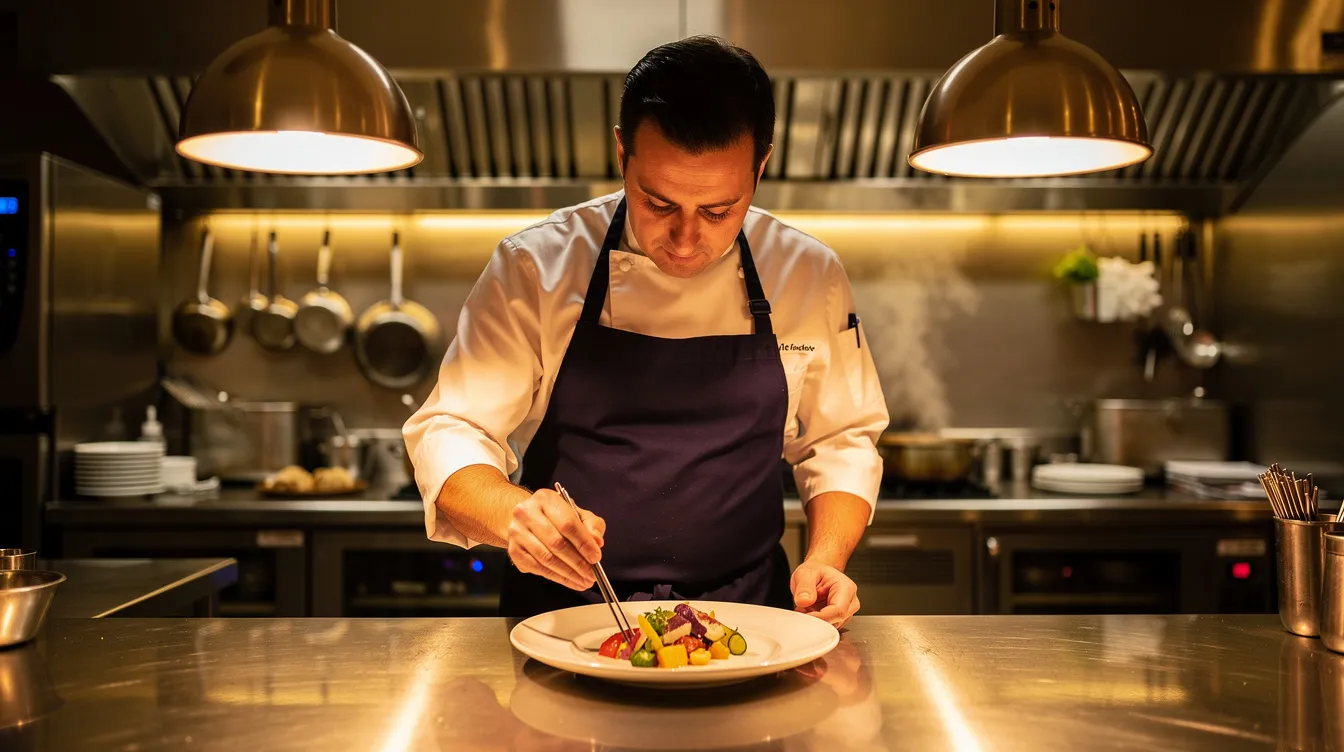
Conclusion: Building a Hospitality Brand That Books Itself
The right hospitality marketing company helps properties align brand identity, digital infrastructure, paid media, and reputation management into a system that drives bookings and guest loyalty without constant manual intervention. It is not just a service provider; it is a strategic partner accountable for commercial outcomes.
Specialized hospitality marketing services are essential for hotel management companies, luxury hotels, boutique hotels, and restaurant-led concepts that want to own more of their demand instead of renting it from OTAs. Every percentage point shifted from third-party to direct channels protects margin and builds long-term brand equity.
For new or reimagined properties, especially those where F&B plays a central role, partnering with a launch-oriented studio like MAVRK can deliver a cohesive, 90-day path from idea to commercially ready, guest-facing brand. The same discipline that launches a CPG product with shelf-ready credibility can open a hotel restaurant with reservation-ready precision.
Start by auditing your current marketing mix. Identify where you are over-reliant on OTAs, under-leveraging your restaurant brands, or missing stages of the customer journey entirely. Then explore specialized partners who can help you launch or relaunch with the confidence and commercial readiness your property deserves.