

Hiring a restaurant website design company is one of the most consequential moves a hospitality operator makes in a five-year window. Pricing swings wildly, deliverables even more so, and the wrong pick sets your brand back two seasons. This guide breaks down real cost ranges, what pushes them up or down, and what a professional engagement actually looks like from kickoff to launch. MAVRK Studio builds sites for restaurant brands that turn scrollers into diners.
What Does a Restaurant Website Design Company Charge?
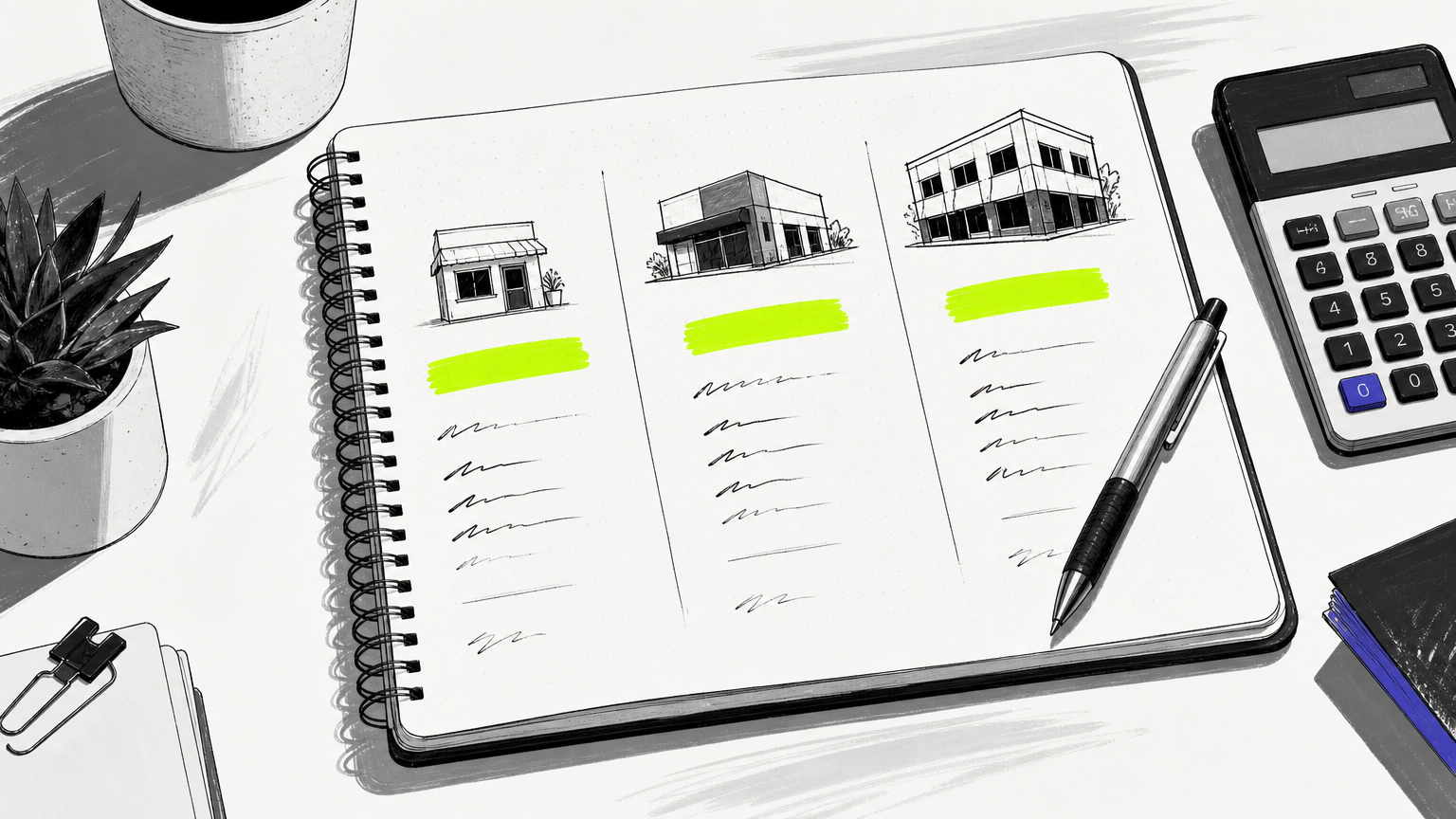
Restaurant website pricing is not a mystery once you understand the tiers. It tracks with scope, integrations, and the level of custom design work involved. A single-location neighborhood spot has different needs than a ten-unit fast-casual group, and quotes reflect that. If you want the vertical context before you spend, our hospitality digital marketing playbook covers the broader landscape restaurants operate in.
Typical Price Ranges by Tier
- Entry-level ($1,000–$5,000): freelancers or template-based shops delivering a themed WordPress or Squarespace build with light customization.
- Mid-market ($5,000–$20,000): custom agency projects with real design work, reservation and ordering integrations, and basic SEO structure.
- Enterprise ($20,000–$50,000+): multi-location builds, custom CMS development, loyalty integrations, and full brand systems.
- Retainers ($200–$1,500/month): ongoing maintenance, SEO, and content updates layered on top of the initial build.
Most independent operators land in the mid-market band, which is where the value curve is steepest. For groups scaling multiple concepts, the logic in our restaurant marketing agency guide applies to web scope too.
What Drives the Cost Up or Down
Five variables move the number most: number of locations, reservation and ordering integrations, custom food photography, ADA compliance work, and the depth of brand identity work required. A site built on top of a fresh identity system costs more up front but saves you a rebrand cycle two years out, which is why serious operators start with brand identity work before writing the web scope.
Takeaway: if a quote comes in under $1,000 for a “custom” restaurant site, it is a template. Price honestly against the tier that matches your operation.
Pricing Breakdown: A Feature-by-Feature Cost Table
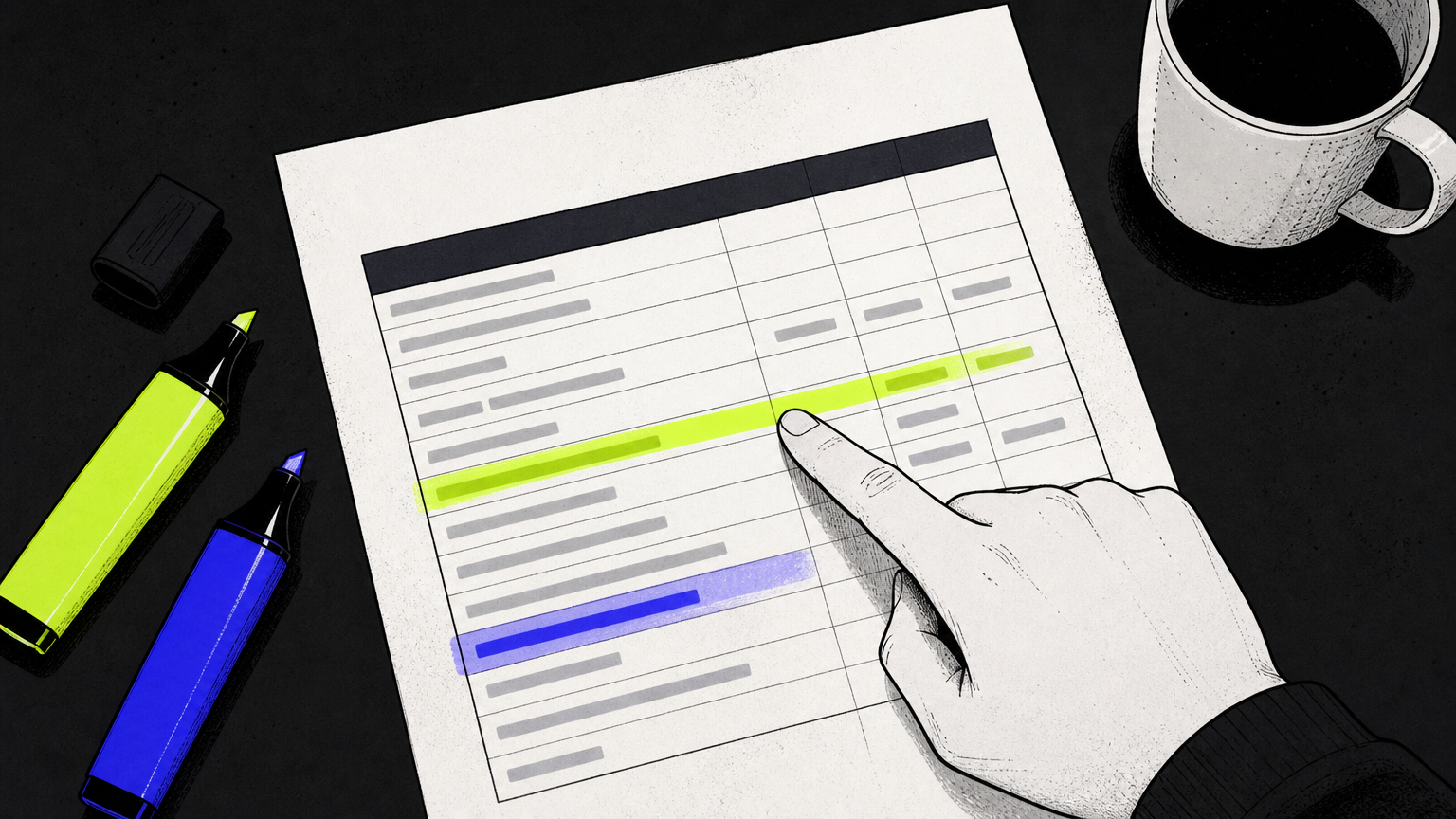
Line items are where quotes get honest. Two agencies can both say “custom restaurant website” and price it $8,000 apart because one bundles integrations and one line-items them. Ask for the breakdown. A good scoping conversation, similar to what we outline in our Shopify design breakdown, separates baseline design from feature-driven cost.
| Feature | Typical Cost Add | Notes |
|---|---|---|
| Standard menu page + PDF upload | Included | Baseline deliverable |
| Interactive filterable menu | $500–$2,500 | Custom UI, dietary filters |
| OpenTable / Resy / Tock integration | $500–$2,000 | API + design work |
| SevenRooms or Toast reservations | $1,000–$3,000 | Deeper CRM hooks |
| Online ordering (ChowNow, Toast) | $1,000–$5,000 | Custom UI drives the range |
| Local SEO + schema markup | $750–$2,500 | Location schema, GBP alignment |
| ADA / WCAG 2.0 compliance | +10–20% of base | Increasingly required |
| Custom food photography coordination | $2,000–$8,000 | Often a separate vendor |
Local SEO deserves its own line. Restaurants live and die by “near me” searches, and the technical work behind those rankings is not free, as we detail in our SEO for hospitality guide.
Takeaway: demand a line-itemed proposal. Bundled quotes hide where money goes and make comparison across agencies almost impossible.
What To Expect During the Design Process

A restaurant website project runs 6 to 14 weeks from signed contract to launch, depending on scope and how fast you approve rounds. The process itself is fairly standard across serious agencies, and mirrors the landing page design workflow most digital shops use for higher-conversion projects.
Discovery and Strategy
Kickoff covers brand goals, target diners, competitor teardown, and the specific conversion objectives the site needs to hit. This is where the agency should push back if your goals are vague. If they nod through everything, that is a red flag. Discovery outputs feed directly into the strategic thinking you’d expect from a brand-first shop, not just a production studio.
Design, Development, and Review
Design mockups typically come in one to three revision rounds before development begins. Static comps first, then a clickable prototype, then build. Development handles CMS setup, integrations, and QA across devices. Mobile is not an afterthought here, which is why mobile optimization for restaurant sites should be baked into every design decision from the first wireframe.
Launch and Post-Launch Support
A responsible agency wraps with 30 to 90 days of bug fixes and performance monitoring after go-live. Ask about the handoff explicitly. Restaurants that specialize in hospitality UX know above-the-fold hours, location display, and streamlined reservation CTAs matter more than hero animations, a pattern we see across every hospitality-focused marketing strategy we build.
Takeaway: timelines slip on client-side feedback more than agency execution. Block calendar time for reviews before you sign.
Must-Have Features in a Restaurant Website
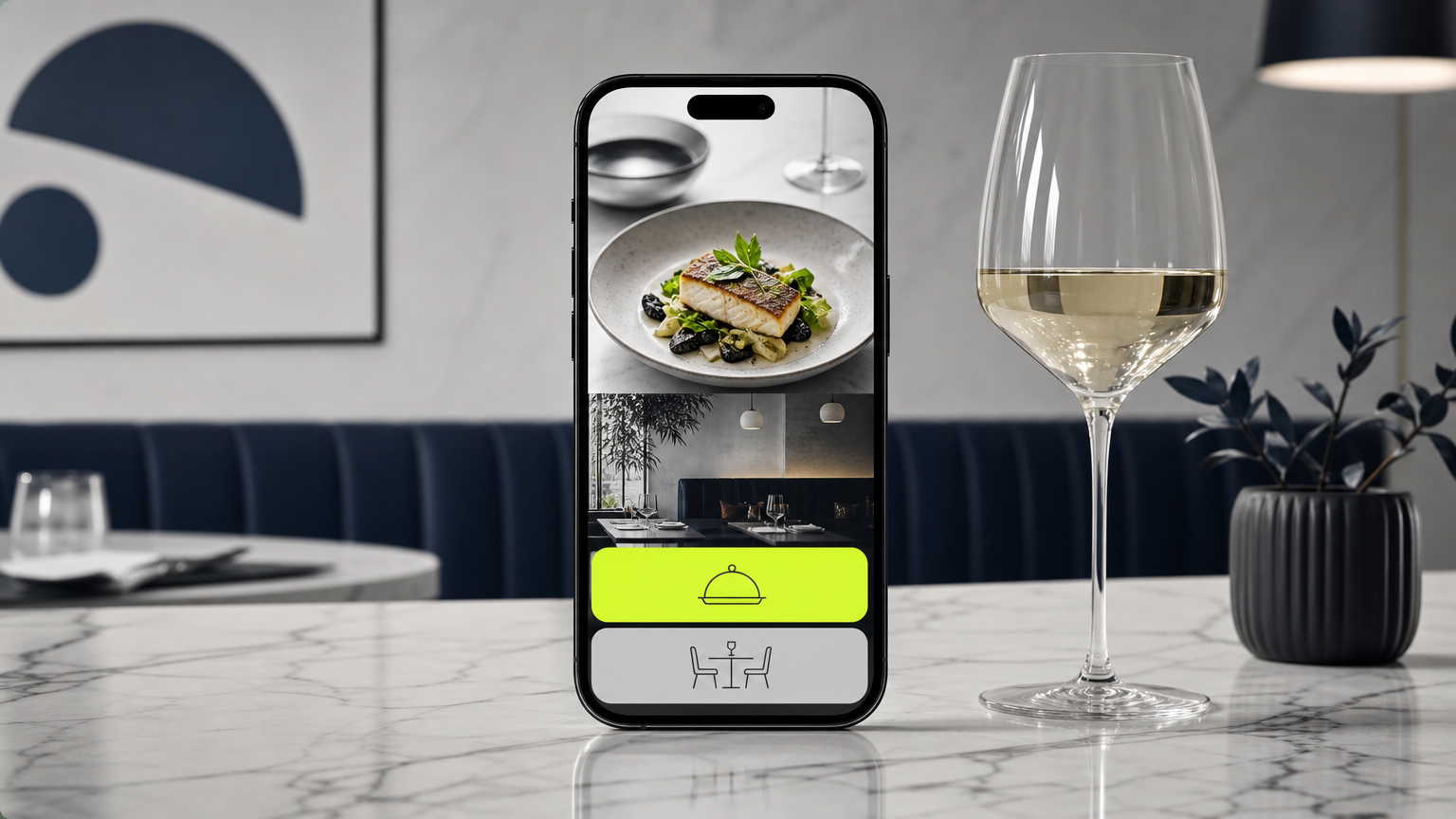
Some features are non-negotiable in 2025. Skip them and you leave revenue on the table, full stop. This is where the website branding elements list intersects with hospitality-specific conversion needs.
Conversion and Booking Features
- Above-the-fold hours, location, and reservation CTA
- Reservation widget from OpenTable, Resy, Tock, or SevenRooms
- Online ordering integration for takeout and delivery
- Loyalty program hooks (Punchh, Paytronix, Thanx)
- High-quality food photography, not stock
Food photography moves conversion more than most operators think, which is one reason restaurant influencer partnerships often bundle content creation into the same budget line.
Technical and SEO Requirements
Google reports that the majority of restaurant discovery now happens on mobile, and Core Web Vitals thresholds flag any page with an LCP slower than 2.5 seconds. That means fast hosting, compressed hero imagery, and lean JavaScript are baseline, not nice-to-have. Built-in local SEO structure with location pages and schema markup is what earns “near me” rankings, and pairs directly with the effective social channels restaurants already use to compound reach.
Takeaway: every feature on this list has a measurable revenue tie. If your current site is missing three or more, you have a redesign case, not a maintenance case.
Red Flags When Evaluating a Restaurant Web Design Agency
Not every shop selling restaurant sites is qualified to build them. The tells are consistent across the bad actors. Vetting an agency is closer to hiring a GM than buying software, and the same instincts that guide choosing a restaurant marketing partner apply here.
- Sub-$1,000 flat fees for “custom” work. It is a template. Every time.
- No restaurant-specific portfolio. Ask for case studies with reservation lift, conversion rates, or organic traffic gains. Portfolio screenshots alone are not evidence.
- Locked content, code, or CMS. Contracts that trap your assets with the agency create switching costs that hurt you at renewal.
- No post-launch plan. Integrations break when third parties update. Someone needs to fix them.
- Zero discussion of ADA, page speed, or mobile. If they do not raise these in scoping, they are skipping the work.
Ask to see the agency’s own site performance too. If their homepage loads slowly, they are not the team to fix yours, which is a pattern we flag in our broader brand agency evaluation notes.
Takeaway: every red flag above shows up in the sales conversation, not the contract. Slow down the pitch and ask harder questions.
How To Choose the Right Restaurant Website Design Company
The right agency looks less like a design vendor and more like a marketing partner. Prioritize demonstrated hospitality vertical experience over generalist portfolios, since the UX patterns diners expect are specific. A team that has also shipped food and beverage brand identity work will make fewer expensive category mistakes.
Request case studies with before-and-after conversion metrics. Confirm the agency owns and documents the technical stack choices, CMS, hosting, and third-party integration plan, before you sign. Evaluate communication cadence during the sales phase; project managers who set clear milestone timelines reduce scope creep, a discipline explored across our food marketing guide.
Finally, budget for ongoing optimization. A website is a living marketing asset. Agencies that pair analytics review with CRO iteration deliver compounding value across the years after launch, especially when tied into the social channels restaurants use to drive traffic.
Takeaway: the best agency conversation is the one where they push back on your brief. Nodding sales teams build forgettable websites.
Frequently Asked Questions
How much does it cost to design a restaurant website?
Restaurant website design typically costs $1,000 to $5,000 for template builds, $5,000 to $20,000 for mid-market custom work, and $20,000 to $50,000-plus for enterprise or multi-location projects with custom integrations, photography, and loyalty program hooks.
How long does it take to build a restaurant website?
Most restaurant website projects run six to fourteen weeks from signed contract to launch. Timeline depends on scope, number of integrations, client feedback turnaround on design rounds, and whether custom photography or copywriting is bundled into the engagement.
What features should a restaurant website include?
At minimum: above-the-fold hours and location, reservation widget, online ordering integration, mobile-first design, high-quality food imagery, local SEO schema, ADA compliance, and clear CTAs. Loyalty program hooks and event booking pages are common adds for full-service groups.
Do restaurant website design companies handle SEO?
Most reputable agencies include baseline on-page SEO, local schema markup, and Google Business Profile alignment in the build. Ongoing SEO retainers covering content, backlinks, and technical audits are typically separate and run $500 to $2,500 monthly.
Can a restaurant website design agency integrate with OpenTable or Resy?
Yes, experienced restaurant agencies handle OpenTable, Resy, Tock, SevenRooms, and Toast reservation integrations regularly. Integration cost ranges from $500 to $3,000 depending on the platform, whether the widget is embedded or custom-designed, and any CRM hooks required.
What is the difference between a template and a custom restaurant website?
A template uses a pre-built theme with color and content swaps, costing $1,000 to $3,000. A custom site is designed from your brand identity, built for your specific conversion goals, and typically costs $8,000 to $25,000-plus with unique UX patterns.
Do I own my restaurant website after the agency builds it?
You should. Confirm ownership of code, content, CMS access, hosting, and domain in the contract before signing. Agencies that lock any of these behind proprietary platforms create switching costs; a clean ownership clause protects you at renewal.
How do I know if my current restaurant website needs a redesign?
Signs include slow mobile load times, no reservation widget, no online ordering, poor local SEO rankings, missing ADA compliance, or a design older than four years. If your site misses three or more, redesign; if fewer, targeted upgrades are enough.
The Bottom Line
Picking a restaurant website design company is a positioning move, not a procurement one. The right partner shapes how diners find you, how they judge you before they arrive, and how often they come back. Price honestly against the tier your operation needs, ask hard questions in the sales phase, and demand line-itemed proposals. If you want a team that builds hospitality sites with the craft of a brand studio and the discipline of a performance shop, MAVRK Studio is built for exactly that groove.