


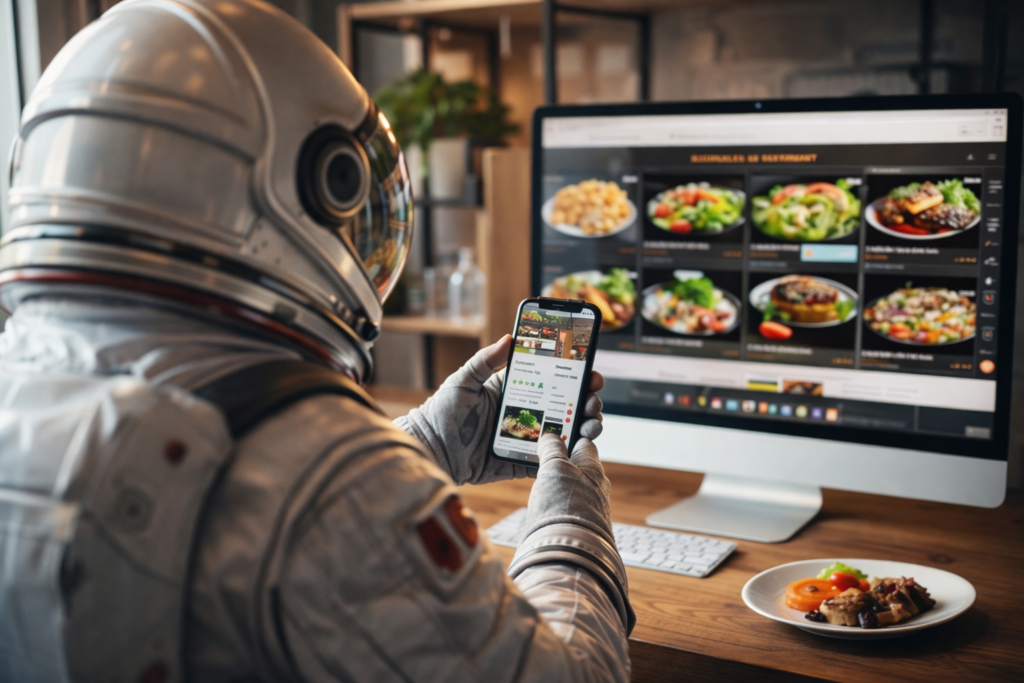
Food marketing influences how consumers notice products, interpret quality and decide what belongs in their cart. As competition across retail and digital channels intensifies, clarity, credibility and relevance become the defining factors that separate strong food brands from the rest.
This blog explains what food marketing really involves, the approaches brands use to stand out and how these strategies shape consumer choices in 2026.
What is Food Marketing?
Food marketing refers to the strategies used to move a food product from production to purchase by aligning brand, messaging and distribution with consumer behavior. It combines market insight, brand positioning and channel strategy to influence how products are perceived and chosen.
Within this space, consumer packaged goods (CPG) marketing supports this effort by promoting packaged foods such as snacks, cereals and beverages through retail, digital and in-store touchpoints designed to drive recognition, trust and repeat purchase.
9 Benefits of Food Marketing
- Strengthens Brand Recognition: Food marketing builds consistent brand awareness, helping consumers quickly recognize and remember a brand.
- Differentiates Brands in Saturated Markets: Effective food marketing highlights what makes a product distinct whether it’s ingredients, sourcing or positioning guiding purchase decisions.
- Educates Consumers: Food marketing communicates product benefits, usage and nutritional value, allowing consumers to make informed choices.
- Drives Sales and Market Growth: Well-executed marketing strategies increase demand, support pricing strategies and contribute to sustained sales growth.
- Identifies Market Trends: Through research and data analysis, food marketing identifies shifting consumer preferences and emerging trends, helping brands adapt quickly.
- Encourages Health-Conscious Choices: Responsible food marketing can influence consumer behavior by promoting healthier options and transparent labeling.
- Builds Long-Term Consumer Relationships: Consistent messaging and engagement enable brands to connect directly with consumers, strengthening loyalty and trust over time.
- Supports Social and Environmental Responsibility: Food marketing provides a platform to communicate sustainability, ethical sourcing and corporate responsibility initiatives that resonate with modern consumers.
- Contributes to Economic Impact: Food marketing supports industry growth, job creation and broader economic activity.
How Food Marketing Influences Consumer Behavior
Food marketing influences how people perceive, choose and connect with food products, supported by digital marketing and strategies that reach consumers across multiple touchpoints.
By leveraging emotional triggers, brands often associate food with feelings such as comfort, nostalgia or social belonging, making products more appealing on a personal level.
Sensory cues like eye-catching packaging, appetizing visuals and carefully designed digital and physical environments further influence how consumers judge quality and taste before they even try the product.
At the same time, targeted messaging enabled by digital marketing and strategy allows food brands to align products with consumer values, lifestyles, and everyday needs which guides purchasing decisions.
5 Food Marketing Techniques
Successful food marketing relies on a balanced mix of insight, visibility and execution. By applying food intelligence alongside both traditional and digital channels, brands can reach broad audiences while still connecting with specific consumer segments in meaningful ways.
Traditional Advertising
Television, print and radio remain effective marketing tools for building mass awareness and reinforcing brand credibility, especially for established or growing CPG brands.
Social Media Marketing
Social media marketing allows brands to engage consumers through visual storytelling, influencer partnerships and targeted campaigns that align with lifestyle and purchasing behavior.
Public Relations
Strategic public relations helps food brands build trust by securing positive media coverage, product features and industry recognition that strengthen brand authority.
Packaging Design
A well-designed packaging influences food marketing by capturing attention at the shelf and communicating product value quickly and effectively.
In-Store Promotions
In-store marketing strategies such as product displays, demonstrations and limited-time offers influence purchase decisions at the point of sale.
What Is a Digital Marketing Strategy?
Digital marketing strategy promotes food products through online channels such as social media, search engines, websites and digital ads, allowing brands to reach consumers where purchasing decisions increasingly happen. Effective digital food marketing combines visibility, data and creativity through strategies like content marketing, SEO, influencer partnerships and email marketing to build awareness, credibility, and consistent engagement across the digital platform.
The Bigger Picture: Why Food Marketing Matters
Food marketing shapes how consumers discover products, evaluate quality and make purchasing decisions. Understanding these strategies helps consumers shop more intentionally and gives brands the insight needed to compete in a crowded market. For food brands looking to build stronger visibility, trust and growth, MAVRK Studio can help develop strategic, data-driven food marketing campaigns that connect with the right audience and drive measurable results.