


The website is often the first and most influential customer touchpoint, so choosing the right web design company for a CPG e-commerce site is a strategic decision.
A web design company with CPG e-commerce experience understands that shoppers move seamlessly between devices and expects consistent performance across all screen sizes.
Beyond aesthetics, the right team focuses on functionality, speed, and conversion-driven layouts tailored to how consumers browse and buy packaged goods online.
Choosing a web design company that understands these CPG-specific requirements helps your brand stand out in a crowded market and transforms first-time visitors into repeat customers.
1. Purpose-Driven Branding and Visual Identity
Effective web design begins with a compelling brand identity. Visuals should communicate your brand’s personality and value proposition in seconds, especially for consumer packaged goods (CPG).
At MAVRK Studio, branding is strategic and includes brand architecture, iconography, color, and font systems, packaging, and branded assets that make products instantly recognizable. For example, our work on Jane & Mary and Medalist Skin showcases cohesive visual systems that extend from packaging to digital assets, reinforcing brand recall and credibility across channels.
Why this matters: High-quality, well-aligned visuals increase social sharing, strengthen brand recall, and elevate perceived value—key factors for standing out in competitive CPG markets.
2. Intuitive Structure and Navigation
One of the core web design best practices is ensuring users can find what they need effortlessly. Logical menus, clear product categories, and streamlined layouts allow visitors to browse efficiently without frustration.
This is important for direct-to-consumer (DTC) sites, where ease of discovery directly influences conversion rates. By prioritizing intuitive navigation in projects like Cha Lab, MAVRK Studio enables users to explore collections, learn about products, and engage with content without unnecessary cognitive load.
Pro tip: Group related products and content logically, and reduce menu clutter to guide users toward purchase actions more quickly.
3. Mobile-First Responsiveness
With most consumers browsing and shopping on mobile devices, responsive design is a fundamental aspect of web design. A truly responsive layout adapts content, navigation, and images so that smartphones and tablets deliver the same seamless experience as desktops.
MAVRK Studio builds websites with fluid breakpoints and optimized assets, ensuring mobile users enjoy a consistent experience, whether they’re viewing a product page or engaging with visual brand elements.
Why it matters: Mobile users are often high-intent buyers. A smooth mobile experience reduces friction, supports conversions, and aligns with modern consumer expectations.
4. Interactive Product Displays
Engagement increases when users can interact with products online. Features such as zoom, 360-degree views, and dynamic product galleries allow customers to check details more closely, which is important for online shoppers who can’t physically handle the product.
While not every MAVRK Studio project publicly features 360-degree views, the portfolio’s strong emphasis on thoughtful presentation and high-quality photography, as seen in brands like Jane & Mary, demonstrates how visually rich product content builds confidence and supports purchasing decisions.
Best practice: Pair crisp product visuals with interactive elements to replicate the in-store experience online.
5. Personalization and Tailored Experiences
Engagement rises when a website adapts its content, recommendations, and messaging based on user behavior or preferences. Personalization can range from targeted product suggestions to banners highlighting seasonal promotions or limited-time offers.
For CPG brands, this often means showcasing best-selling or complementary products aligned with a visitor’s browsing history, improving both session value and user satisfaction.
Example strategy: Display related items or curated collections on product pages based on browsing patterns to encourage deeper exploration.
6. Efficient Search and Filters
Search performance and filtering tools are essential for product-rich CPG sites. Powerful search that recognizes keywords, categories, and product attributes enables users to find what they want fast. Filters such as by price, ingredients, flavor profile, or style will streamline discovery.
Best practice tip: Ensure filter labels are clear and intuitive (e.g., “Vegan,” “Under $30,” “Spicy”) so users can zero in on products that match their needs quickly.
7. Conversion-Focused Product Descriptions
Clear explanations of features, materials, and product benefits help customers quickly understand what they’re buying and why it matters. MAVRK Studio’s CPG and lifestyle brand projects consistently pair concise product information with strong brand storytelling, connecting products to real-world use cases and brand values rather than relying on generic copy.
Integrating customer reviews and testimonials directly on product pages further strengthens credibility. Social proof helps shoppers feel confident in their decisions and reduces hesitation, especially for first-time buyers. When product descriptions combine clarity, emotion, and validation, they become powerful conversion drivers rather than just supporting content.
8. Smart Cross-Selling and Upselling Strategies
Strategic cross-selling and upselling are essential components of a high-performing CPG website. Instead of overwhelming users, complementary product recommendations should appear naturally, on product pages, in the cart, or during checkout, to guide customers toward relevant additions.
Our ecommerce-focused work emphasizes thoughtful product relationships that align with brand positioning and customer intent. By presenting suggestions that genuinely enhance the original purchase, brands can increase average order value while maintaining a seamless and user-friendly shopping experience.
9. Responsive and Customer-Centric Support
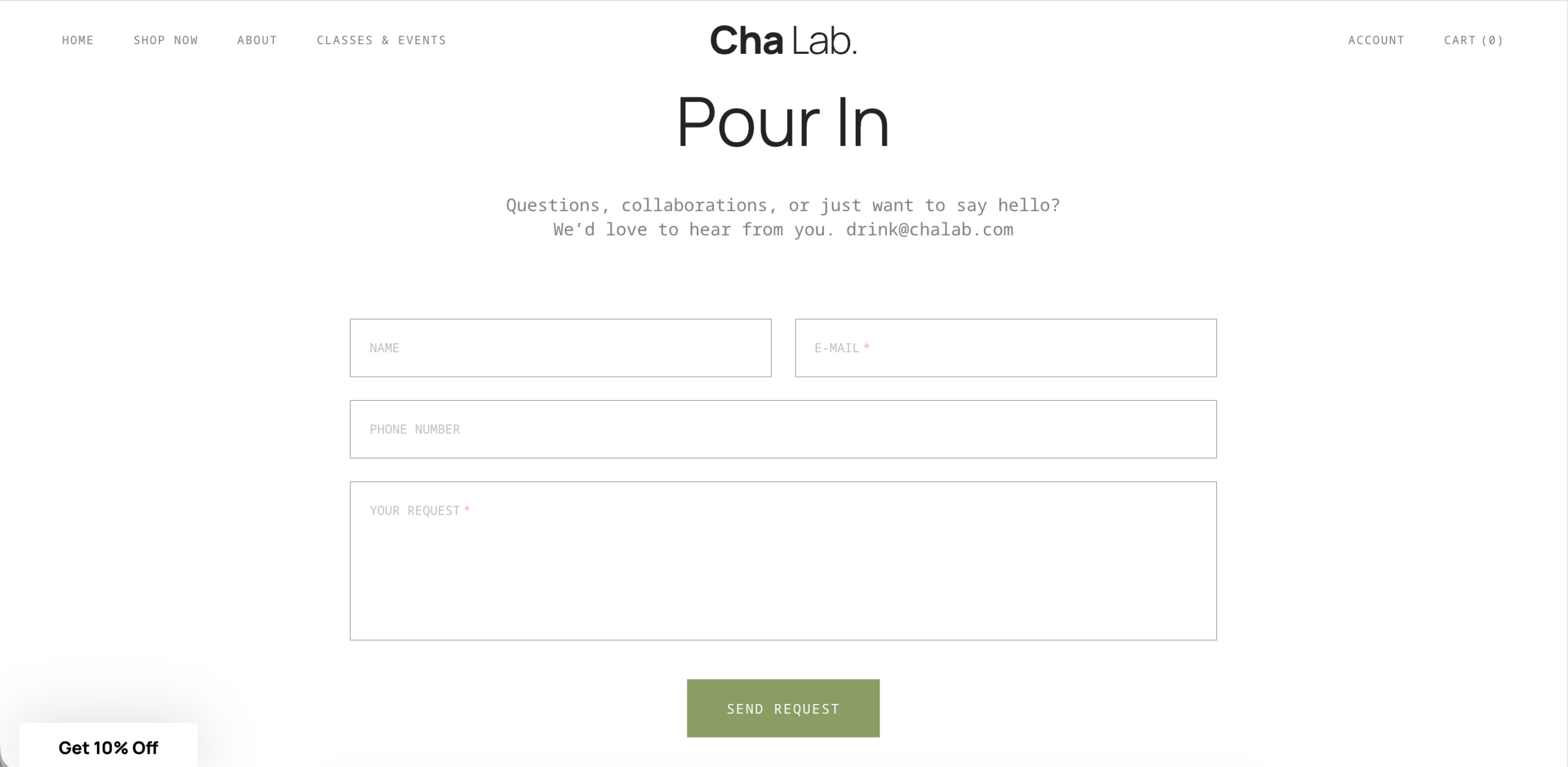
Features such as contact forms, FAQs, or live chat help users quickly find answers to common questions about ingredients, usage, or product compatibility. In an effective CPG website, support tools are easy to access without disrupting the shopping flow.
Beyond immediate assistance, customer inquiries provide valuable insights. By analyzing recurring questions and feedback, brands can refine product descriptions, improve navigation, and optimize content.
10. Secure Checkout Experience
A CPG website should minimize steps, clearly display shipping details, and support multiple secure payment options. Every element of the checkout should reinforce trust and ease of use.
Prioritize secure, efficient checkout flows that reduce cart abandonment and support smooth transactions. Security is never an afterthought, but it is built into the structure of every e-commerce experience to protect both the customer and the brand.
Turning CPG Website Design Into Measurable Growth
An effective CPG website shapes how customers discover products, build trust, and complete purchases with confidence. From clear product storytelling and strategic cross-selling to responsive support, secure checkout, and fast performance, each element plays a direct role in improving conversions and long-term brand loyalty. When these components work together, your website becomes a true growth engine rather than just a digital storefront.
If you’re looking to elevate your CPG website with a strategy-driven, conversion-focused approach, MAVRK Studio can help. Explore their work or get in touch to build a high-performing CPG website designed to engage users, increase revenue, and scale with your brand.