

Hiring a restaurant branding company is one of the most consequential moves a new or scaling concept makes, and yet the pricing feels like a black box. Quotes swing from a few thousand dollars to six figures, and the scope inside those numbers rarely gets spelled out. This guide breaks down what restaurant branding actually costs, what sits inside each tier, and what to watch for when you talk to agencies. MAVRK Studio builds strategy-led restaurant brands from naming through launch, and we see these budget conversations every week.
What Restaurant Branding Companies Typically Charge

Pricing tracks the shape of the studio you hire. A solo freelancer with a Behance page runs a different economy than a boutique with strategists, designers, and a project manager on retainer. Understanding the tiers helps you match spend to ambition, and it saves the awkward mid-project moment when a founder realizes “brand” meant something bigger than a logo. Studios that specialize in restaurant branding pricing structures will lay their tiers out plainly on a first call.
Freelancer vs. Boutique Agency vs. Full-Service Agency
- Freelance designers: typically $500–$3,000 for a logo-only engagement. No positioning, no system, no guidelines. Fine for a pop-up, thin for a concept you plan to scale.
- Boutique branding agencies: $8,000–$30,000 for a full identity package including strategy, logo suite, palette, type system, and guidelines.
- Full-service agencies: $40,000–$100,000+ when interior design, website build, packaging, and launch advertising sit under one roof.
The gap between tiers is not vanity. It is depth of thinking. A boutique working on hospitality and consumer brand identity is buying you a defensible position, not just decoration.
Project-Based vs. Retainer Pricing
Project pricing suits new concept launches. You know the deliverables, the timeline is finite, and everyone signs off at the end. Retainers, usually $2,000–$8,000 per month, suit operators adding locations, refreshing menus quarterly, or running steady marketing. Established groups often blend both: a project fee for the new concept, a retainer once the doors open. If you are still validating the idea, stay project-based and revisit the retainer question after month six. Our team’s take on brand building versus product pushing leans hard on staging investment this way.
Takeaway: Match the engagement shape to your stage. Freelancers for tests, boutiques for launches, full-service for multi-unit rollouts.
What Is Included in a Restaurant Branding Package
“Full brand” means wildly different things depending on who is quoting it. Get the deliverables list in writing before you sign anything. A clear scope is the single biggest predictor of a smooth engagement, according to industry references like the Vigor agency service overview.
Core Brand Identity Deliverables
Most boutique agencies include the same foundational stack:
- Positioning statement and brand story
- Primary logo, secondary marks, and lockups
- Color palette with print and digital values
- Typography system with hierarchy rules
- Brand guidelines PDF
That last document is the artifact that keeps the brand consistent when a new hire designs a sandwich board at 11pm. Studios that treat logo design as craft also treat the guidelines as a real deliverable, not a formality.
Extended Brand Touchpoints
Extended packages typically add menu design, website design and development, packaging, signage specifications, and social media templates. Menus and websites are the two touchpoints that pay for themselves fastest, since they influence conversion directly. If you are ordering the website separately, insist on a builder who thinks about restaurant website optimization rather than just aesthetics.
What Is Usually Not Included
- Interior design consultation and environmental graphics (scoped separately, adds real cost)
- Photography and copywriting (almost always add-ons)
- Digital advertising creative (usually a retainer line item)
- Discovery or strategy phase in some scopes; $1,500–$5,000 standalone if not bundled
Takeaway: Ask for a line-item deliverables list. If the agency resists, that is your answer.
Factors That Drive the Cost Up or Down
Two identical concepts can get quotes 3x apart from equally reputable studios. The variables below explain most of the spread.
Concept Complexity and Category
Fine dining and multi-unit groups demand more strategic depth, more touchpoints, and more rounds of stakeholder alignment. That pushes any agency toward the top of their range. A single-unit fast-casual concept can often be executed leaner, and studios experienced in fast casual and QSR branding will offer streamlined packages that reflect that.
Agency Location and Overhead
Studios in New York, Los Angeles, and Chicago typically charge 20–40% more than comparable studios in Austin, Nashville, or Raleigh. Not because the work is 40% better, but because rent, salaries, and market expectations shape the rate card. Remote-first boutiques often price like their zip code, which can be an advantage if you find one whose portfolio matches your category. If you are a consumer brand crossing into retail, the same logic applies to a food and beverage branding partner.
Revision Rounds and Timeline
- Rush premiums: compressed timelines of four weeks or fewer commonly carry 15–30% surcharges.
- Revision rounds: most boutique packages specify two rounds per phase. Additional rounds bill hourly.
- Scope creep: adding a menu mid-project after the type system is locked usually triggers a change order.
Reading the MAVRK approach to opening a restaurant will give you a realistic sense of how timeline pressure compounds cost across the whole opening.
Takeaway: Category, geography, and clock. Those three levers explain most of the price you see.
What To Expect From the Branding Process
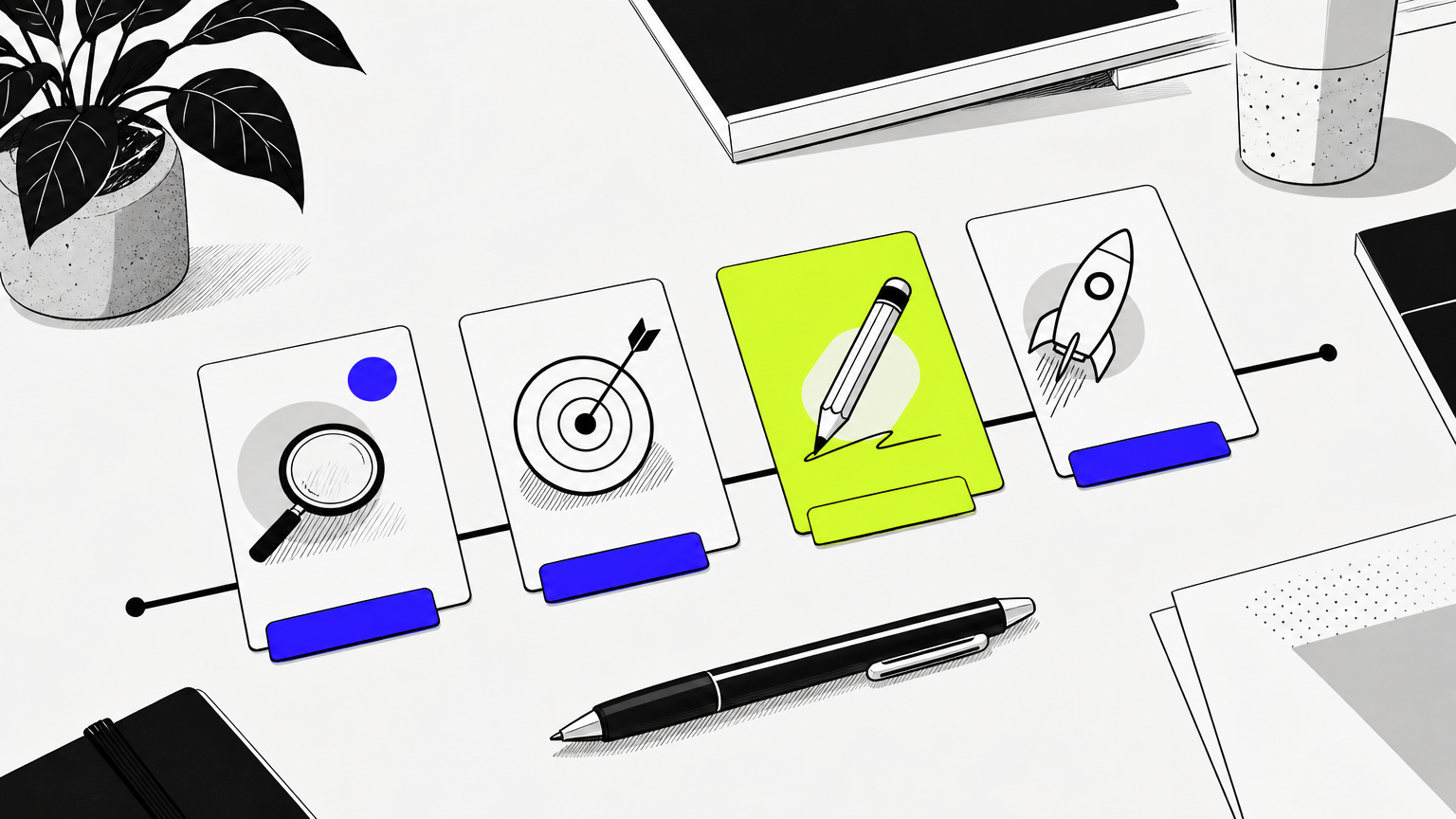
A reputable engagement follows a legible arc. If your agency cannot walk you through the phases on a first call, that is a signal.
Discovery and Strategy Phase
Kickoff starts with a discovery session covering concept, target guest, competitive landscape, and positioning goals. Expect a workshop of two to four hours, plus written homework. This is where the restaurant naming and positioning conversations actually happen, and where the money spent will echo through every touchpoint downstream.
Creative Development Phase
The creative phase typically produces two to three distinct visual directions for review, then narrows to one for refinement. Good studios present each direction with rationale tied back to the positioning, not just pretty boards. You will weigh in at defined checkpoints, not in scattered Slack pings. Studios that also handle packaging design work will show you how the visual direction extends into physical formats before you commit.
Delivery and Brand Launch
A complete boutique engagement runs eight to sixteen weeks from kickoff to final files. Deliverables arrive as a print-ready brand guidelines PDF plus organized source files in AI, EPS, and PNG. Post-launch support (vendor coordination for signage, printing, uniform sourcing) is usually available but billed separately. Groups planning heavy social rollouts should also budget for social-first content systems at launch.
Takeaway: Discovery, creative, delivery. Eight to sixteen weeks. Anyone promising a full brand in two weeks is selling templates.
Red Flags to Watch for When Hiring a Restaurant Branding Company
The hospitality industry is littered with cheap logos and expensive regrets. Look for these warning signs before signing:
- Skipping strategy: agencies that jump straight to logo sketches produce visuals disconnected from your positioning. Strategy is not overhead; it is the reason the visuals work.
- Vague contracts: scopes without file formats, revision counts, and IP transfer terms cause post-project disputes.
- No restaurant work in the portfolio: hospitality branding has distinct considerations around menu hierarchy, environmental application, and repeat-visit psychology. Adjacent categories like CPG are relevant but not interchangeable, as the CPG branding strategy playbook makes clear.
- Suspiciously low quotes: anything under $2,000 for a “full brand” is templated or crowd-sourced. Original strategy costs more than that in labor alone.
- No references, no process: an agency that cannot explain their method in plain language, or produce two client references, is a pass.
Takeaway: Portfolio, process, paperwork. If any of the three is thin, keep looking.
How to Budget for Restaurant Branding at Every Stage
Budget follows stage. The number that is reckless at pre-seed is conservative at Series A, and the reverse is true too.
- Pre-opening concept, unproven: $5,000–$10,000 covers verbal identity, logo, and a starter mark. Enough to test, not enough to over-commit before you have proof.
- First brick-and-mortar: $15,000–$35,000 covers positioning, logo suite, menu design, a launch website, and basic signage specs. This is the most common boutique engagement size.
- Established rebrand: general agency guidance suggests 1–2% of annual revenue for a refresh. A $3M restaurant should expect $30,000–$60,000 for meaningful work.
- Multi-unit or franchise launch: $50,000 is a realistic floor once interior design and advertising creative come into scope. Franchisors should also budget for a scalable brand system across units that stores can execute without central approval on every asset.
Staging investment is the underrated move. Run the strategy phase as a standalone deliverable, validate the positioning against real guests, and then commission the visual system. Splitting the phases lets you kill a weak direction before it becomes an expensive one. If ROI math matters at your stage, the framework in brand strategy versus marketing strategy is worth reading before you sign the SOW.
Takeaway: Match spend to stage. Stage the phases. Validate before you scale the invoice.
Frequently Asked Questions
How much does it cost to brand a restaurant?
A single-unit restaurant typically spends $8,000–$35,000 on a full boutique branding package. Freelance logo-only work runs $500–$3,000, and full-service agencies with interiors and advertising can exceed $100,000 for complete concept development.
What does a restaurant branding company actually do?
A branding company defines your restaurant’s positioning, visual identity, and voice, then builds the assets (logo, menu, website, signage, packaging) that carry that identity into the guest experience. Strategy comes first; execution follows.
How long does restaurant branding take?
A complete boutique engagement runs eight to sixteen weeks from discovery to final files. Freelance logo projects can wrap in two to four weeks. Full-service builds with interiors and website development often extend to five or six months.
Is it worth hiring a branding agency for a small restaurant?
For a single-unit concept planning to grow or defend a market position, yes. For a temporary pop-up or ghost kitchen test, a freelancer is often enough. The rule of thumb: brand investment should match brand ambition.
What is the difference between a restaurant branding agency and a graphic designer?
A graphic designer produces visual assets to a brief. A branding agency writes the brief, defines the positioning, and builds the system the designer would otherwise be guessing at. Agencies deliver strategy; freelancers deliver execution.
What deliverables should I receive from a restaurant branding project?
Expect a positioning statement, logo suite, color palette, typography system, and brand guidelines PDF at minimum. Extended packages add menu design, website, packaging, signage specs, and social templates, with source files in AI, EPS, and PNG.
When should a restaurant rebrand instead of starting fresh?
Rebrand when the guest base is loyal but the positioning has drifted, the visuals feel dated, or you are adding units. Start fresh when the concept itself is changing menu, format, or target guest in ways the old brand cannot honestly stretch to cover.
Can a restaurant branding company help with interior design?
Some full-service agencies offer interior design in-house; most boutiques coordinate with a specialist firm. Either way, expect environmental design to be scoped and billed separately from the identity package, typically starting at $25,000 for a single location.
Bringing It All Together
Restaurant branding is not a line item you pick from a menu. It is an investment in how guests read your concept before they taste anything, and how consistently that reading holds up across menus, walls, screens, and staff. The right partner will price transparently, phase the work honestly, and stage the deliverables so you can validate before you scale spend. If you want a team that treats positioning, identity, and launch as one continuous build, MAVRK Studio works with hospitality operators from the first naming conversation through opening week.