



Product launch consulting is a specialized advisory service that helps companies plan, position, and execute new product releases with precision. A poorly timed or misdirected launch can waste months of development work and a serious chunk of budget. The right partner brings market research, cross-functional coordination, and performance frameworks that turn a release plan into measurable market traction. MAVRK Studio works with hospitality and consumer teams across the launch lifecycle, from first prototype to shelf.
What Product Launch Consulting Is
Product launch consulting is an engagement where external strategists guide a company through the planning, positioning, messaging, and execution of bringing a new product to market. It sits at the intersection of strategy and go-to-market work, which is why it often overlaps with a broader brand versus marketing strategy conversation before any tactics get drawn up.
A Precise Definition
Consultants generally cover four core functions: market research and competitive analysis, audience targeting and positioning, cross-functional team alignment, and post-launch performance tracking. The discipline is distinct from general marketing consulting because it is scoped to the launch window and tied to specific go-to-market milestones rather than ongoing brand management. Retainers can extend, but the mandate is the release. Think of it as the same discipline that shapes a pitch deck for a consumer brand, except pointed at the market instead of investors.
In Plain English
According to Consultport, product launch strategists define target audiences, identify the right launch channels, develop a marketing and outreach plan, and set and track success signals. In plain English: a launch consultant makes sure the product hits the right people, on the right channels, with the right message, and that someone is watching the numbers when it lands. That last piece is where a lot of internal teams drop the ball, and it is where a CPG branding strategy turns from a document into a system.
How Product Launch Consulting Works
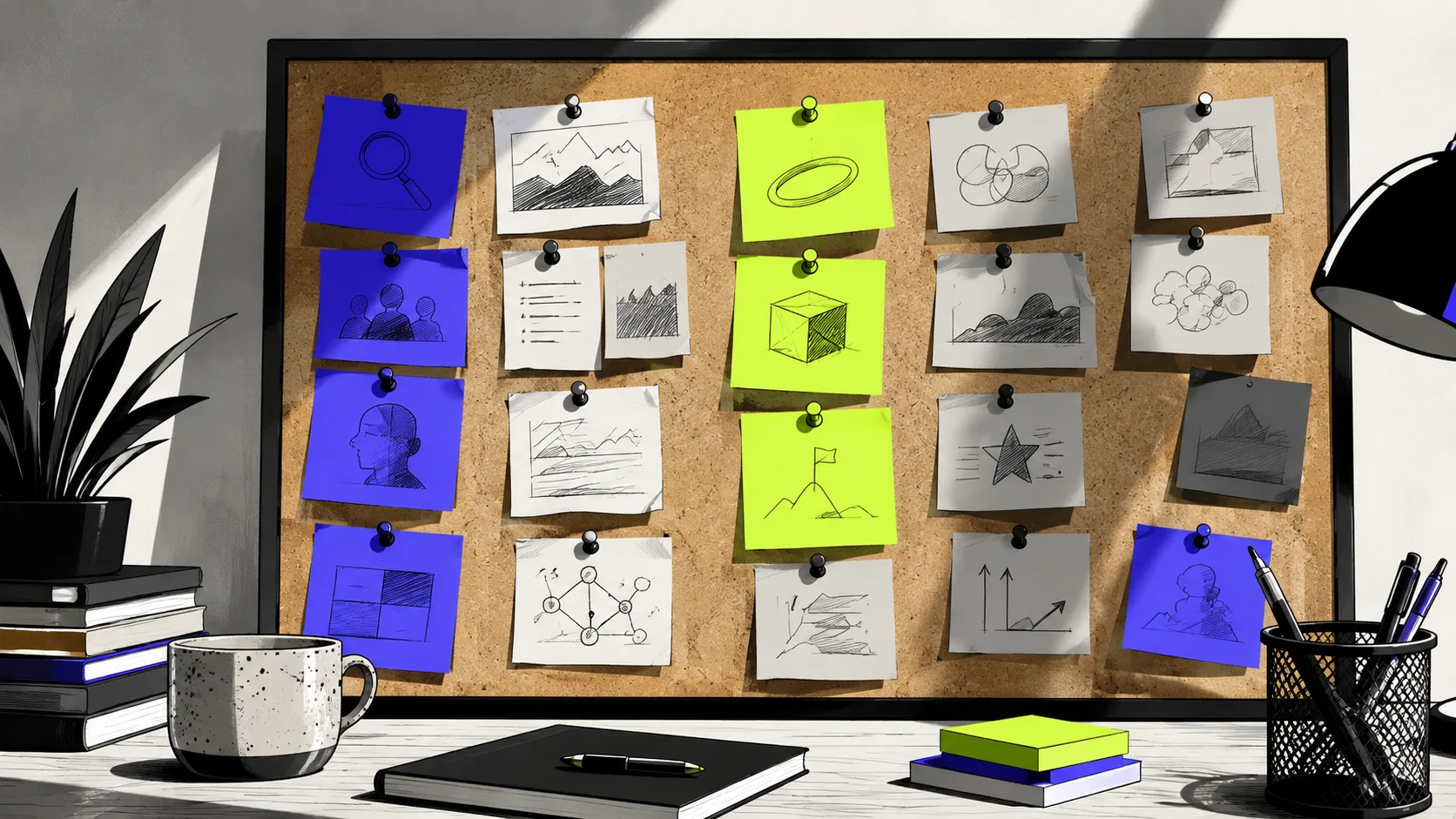
Most engagements move through four phases. They can compress or stretch depending on category and stage, but skipping one usually shows up later as a botched launch week. This structured approach mirrors how experienced teams build any brand transformation program: research, positioning, execution, and iteration.
Phase 1: Research and Market Sizing
Engagements typically begin with market sizing and competitive landscape mapping. A small or shrinking market makes further planning unproductive, so the honest answer to “is this worth launching” comes first. Competitor pricing, distribution, and messaging get mapped, and category trends get pressure-tested against internal assumptions. For consumer and hospitality brands, this often includes trade shows and channel scans similar to the reads coming out of the Summer Fancy Food Show.
Phase 2: Positioning and Messaging
Positioning translates research into a value proposition aimed at a tightly defined Ideal Customer Profile. A launch aimed at everyone tends to reach no one. That ICP work then cascades into naming, taglines, packaging copy, and visual identity, which is why so much of the message work is inseparable from brand identity in hospitality and consumer brands. The output is a value proposition document that every downstream asset can be checked against.
Phase 3: Cross-Functional Execution
Execution requires aligning marketing, sales, customer success, and often ops under a unified strategy. Frameworks like RACI assign clear accountability across teams so nothing lives in the “someone will handle it” zone. For CPG founders, execution also spans retail buyers, distributors, and content partners, which is where social marketing strategies for CPG brands start feeding directly into the launch calendar.
Phase 4: Post-Launch Optimization
After launch, consultants establish KPIs, collect customer feedback, and use those signals to optimize campaigns, adjust pricing or packaging, and refine messaging. A phased rollout, introducing the product to a small group first and iterating before broader release, reduces risk while building momentum. This is the same iterative thinking behind smart cost-effective marketing strategies for brands: learn cheap, then scale.
Why Product Launch Consulting Matters

Launches fail quietly, and they fail expensively. Consulting is worth the spend when the alternative is a public release built on unchecked assumptions.
The Cost of an Unguided Launch
Alcimed notes that a successful launch requires in-depth market research, competitor analysis, fine-tuned customer segmentation, and an understanding of the broader ecosystem of partners and market-access conditions. Highly innovative products that create a new category face an added challenge: identifying which ecosystem building blocks the product can rely on and what specific measures must be in place before launch day. Founders who have already navigated a brand launch on social media know how quickly small gaps in that ecosystem compound.
When External Expertise Adds the Most Value
Internal teams often lack the bandwidth or the outside-in perspective to stress-test assumptions about product-market fit before committing to a public release date. Consultants bring benchmarks from comparable launches to flag failure modes early, which is especially valuable for founders moving from a product pusher to brand builder mindset. Risk and contingency management is a core practice area, not a bolt-on.
Key Deliverables From a Product Launch Consultant

Deliverables vary by engagement scope, but a good consultant should hand over documents that outlast the release window. If you cannot use it three months later, it was theater.
Strategic Documents and Frameworks
Core strategic deliverables include a market sizing report, a competitive positioning map, a defined ICP, and a value proposition document that guides all downstream messaging. These become the reference set for future SKUs and line extensions, and they inform how packaging shapes brand identity once creative teams pick up the baton.
Execution Artifacts
Execution artifacts typically include:
- A launch bill of materials covering copy, visuals, and email sequences
- A channel plan that prioritizes the one or two highest-yield distribution channels
- A milestone-based project timeline with named owners
- A launch budget that ties resource allocation to strategic priorities
Channel prioritization is where a lot of programs go sideways. Most startups have one or two real distribution channels, not five, and a strong consultant will make that call early rather than late. For CPG launches, that call often runs through TikTok Shop as a social commerce lane.
Measurement and Reporting
Measurement establishes baseline KPIs before launch and cadences for reviewing results afterward. MVP prototyping and product-market fit validation are often included for earlier-stage products, providing small-scale market tests before a full rollout. The reporting loop feeds the next release, so treat it as an asset, not a receipt, similar to how thoughtful CPG advertising strategies accrete learning over quarters.
Common Misconceptions About Product Launch Consulting
A few beliefs keep founders from getting the value they paid for. Worth naming them out loud.
Misconception: It Is Just a Marketing Campaign / Reality: It Is a Cross-Functional Program
A launch is a coordinated program spanning product, marketing, sales, and support, not a single campaign. Treating it as marketing-only is one of the most common causes of underperformance, especially in food and beverage where retail ops, trade marketing, and content all need to move together, as any team running food and beverage social media can tell you.
Misconception: Only Large Companies Need Consultants / Reality: Early-Stage Teams Benefit Most
Early-stage and growth-stage companies often gain more from consulting than large enterprises because they lack the internal infrastructure, historical data, and cross-functional processes that de-risk a launch. A first-time founder benefits enormously from a partner who has already opened, say, twenty restaurants and can point out the twenty things that break, similar to the terrain covered in how to open a restaurant.
Misconception: The Launch Ends on Release Day / Reality: Post-Launch Optimization Is the Most Valuable Phase
Post-launch optimization frequently delivers more revenue impact than launch day itself. Alcimed describes an iterative learning process after each launch as fundamental to continuous improvement. Pricing and packaging decisions should be resolved before launch week, not during it, because even small feature-gating choices ripple across revenue model and segmentation. This is doubly true for beverage founders navigating category creation, a pattern documented in lessons for growing a non-alcoholic beverage brand.
How to Get Started With Product Launch Consulting
Getting started is less about vendor selection and more about internal honesty. Know what you have, know what you need, and write down what “success” looks like before anyone signs anything.
Assess Your Current Readiness
Audit what your team already has: market research, a defined ICP, a working positioning statement, and a realistic launch timeline. Gaps signal where consulting effort should concentrate. If your packaging is still open, start there, because packaging design mistakes can quietly torpedo a launch that is otherwise well planned.
Choose the Right Engagement Model
Engagement models range from full-service launch programs covering strategy through execution to focused advisory retainers for positioning or channel strategy only. Matching scope to actual gaps prevents overspending. A founder who already has a strong creative team may only need strategic guardrails, similar to plugging in a specialist for creative packaging design rather than rebuilding the whole studio.
Set Success Criteria Before Day One
Every engagement should begin with one clearly defined business problem, one accountable owner on the client side, and measurable success criteria agreed before work starts. A structured consultant screening process, including reference checks and past launch experience in your category, significantly improves outcomes versus picking a generalist agency. Ground the KPIs in real category benchmarks, the way strong CPG social media programs benchmark against comparable brands rather than internal wishlist metrics.
Frequently Asked Questions
What does a product launch consultant actually do?
A product launch consultant guides research, positioning, messaging, cross-functional planning, and post-launch measurement for a new product. They own the strategy while working alongside internal teams and creative partners who execute the day-to-day tactics.
How much does product launch consulting cost?
Costs vary widely by scope and category. Focused advisory retainers can run a few thousand dollars a month, while full-service programs covering strategy through execution range into six figures. Match the spend to the size and risk of the launch.
When should I hire a product launch consultant?
Hire one when you have a defined product but unclear positioning, no proven distribution channel, or an aggressive release timeline. Earlier is usually better than later, because most launch damage comes from decisions made before anyone wrote a campaign brief.
What is the difference between a product launch consultant and a marketing agency?
A launch consultant owns strategy across product, marketing, and sales alignment. A marketing agency typically executes campaigns and creative once the strategy is set. The two roles complement each other, but only one is accountable for go-to-market outcomes.
How long does a product launch consulting engagement typically last?
Most engagements run three to nine months, spanning research through post-launch optimization. Shorter sprints of four to six weeks work for positioning audits or channel strategy. Longer retainers make sense when a company plans multiple releases in a rolling calendar.
What makes a product launch fail, and how does consulting help prevent it?
Launches fail from weak ICP definition, wrong channel bets, misaligned teams, and no post-launch measurement. Consulting prevents these by forcing clarity on audience, prioritizing one or two channels, assigning accountability with RACI, and setting KPIs before day one.
Can a small business or startup benefit from product launch consulting?
Yes, often more than large enterprises. Small teams lack internal launch infrastructure and historical benchmarks, so outside expertise closes real gaps rather than duplicating in-house capability. Scope the engagement tightly and the ROI shows up quickly.
What deliverables should I expect from a product launch consultant?
Expect a market sizing report, competitive positioning map, ICP definition, value proposition document, channel plan, milestone timeline, launch budget, and a KPI framework. Execution artifacts like copy briefs and email sequences may be included depending on scope.
Wrapping Up
Product launch consulting is not a campaign, a deck, or a shiny release-day playbook. It is a structured way to reduce the risk of putting a new product in front of real customers, and it pays off most for teams willing to be honest about their gaps. If you are a hospitality or consumer founder planning a release in the next two quarters, MAVRK Studio can help you scope the work, choose the right channels, and build a measurement loop that outlasts launch week.