

Discover proven strategies to grow your Non-Alcoholic Beverage Brand, from branding to market expansion, for lasting success.
Alcohol-free wine, cider, beer and functional drinks are gaining strong consumer interest. The market for premium alternatives is growing quickly but building a successful non-alcoholic beverage brand takes more than a good product idea. It demands careful planning, a deep understanding of your consumer and consistent product quality.
From developing recipes to managing large-scale production, every step matters. Based on industry insights, here are the essential lessons to help you launch and grow a profitable non-alcoholic beverage brand.
Steps to Building a Non Alcoholic Beverage Brand: Understand Your Target Market
The key step in building a successful non-alcoholic beverage brand is identifying your target market. The first steps include market research and recipe creation, which means understanding not just your consumers but also the existing products and competitors that are present in the market.
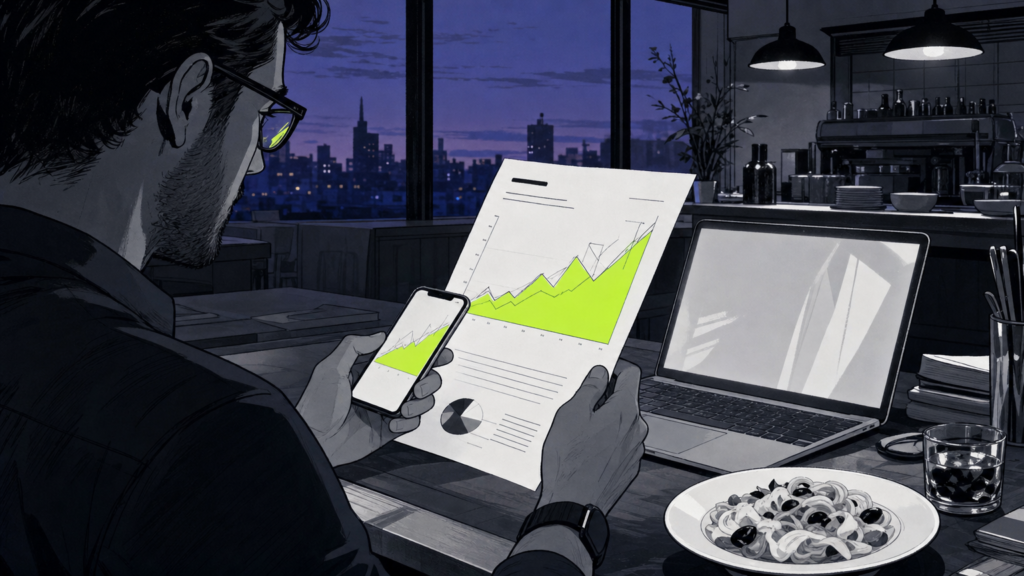
With this knowledge, you can create a strategic business plan and product profile that truly fits market needs. The non-alcoholic sector is expanding rapidly, and sales are expected to rise significantly across the beverage industry, driven by health-conscious consumers, Millennials, Gen Z and older consumers seeking premium and alcohol-free alternatives to traditional drinks.
Over half of Americans want to reduce alcohol consumption, reflecting changing drinking habits and lower alcohol intake.
Here are important market insights:
-
Emphasis on Health and wellbeing: Consumers are prioritizing wellbeing and seeking for beverages with less sugar, pure ingredients and practical health benefits.
-
Sober-Curious Movement: As more people decide to cut back on alcohol without completely quitting, there is a growing need for high-quality alternatives, and each drink is increasingly positioned around moderation and lifestyle.
-
Premiumization of Non-Alcoholic Beverages: Consumers are prepared to spend more on high-end goods with sophisticated branding and exquisite flavors. Innovation is being driven by demand for premium, mindful drinking experiences and the future of non alcoholic drinks.
Perfecting Your Product with High-Quality Ingredients
For any non-alcoholic beverage brand, product quality is everything. Many brands fail because they cut corners on formulation, but a great product starts with a clear beverage product idea and solves a specific consumer need rather than just launching another drink. For a brand to stand out, focus on:
-
Flavor Complexity: Alcoholic drinks like wine and spirits have rich, layered flavors. Your non-alcoholic alternative should aim to deliver the same depth and enjoyment. These are key factors in consumer appeal, and advanced methods can help preserve flavor during production, especially for a non alcoholic version made by removing alcohol.
-
Natural and High-Quality Ingredients: Today’s consumers want clean labels, familiar ingredients, and food-safe quality signals. Whether producing alcohol-free cider, beer, or wine, avoid unnecessary artificial additives and preservatives. Brands that meet health-conscious expectations often use organic and recognizable ingredient labels, so start with premium base ingredients to ensure a consistently high-quality final product.
-
Innovative Additions: The industry is evolving quickly, with new ingredients that boost flavor, replicate the warmth of alcohol, or add health benefits. This growing range includes functional drinks, and non-alcoholic beverage brands should focus on functional ingredients and clean labels to stand out. These innovations can give your brand a unique edge to make it stand out.
Formulation is rarely a one-step process; it usually takes multiple prototype rounds before final approval and may benefit from beverage formulation experts or other industry experts with the right expertise. Non-alcoholic beverages must contain less than 0.5% ABV, while zero proof products are formulated at 0.0%.
Branding and Packaging
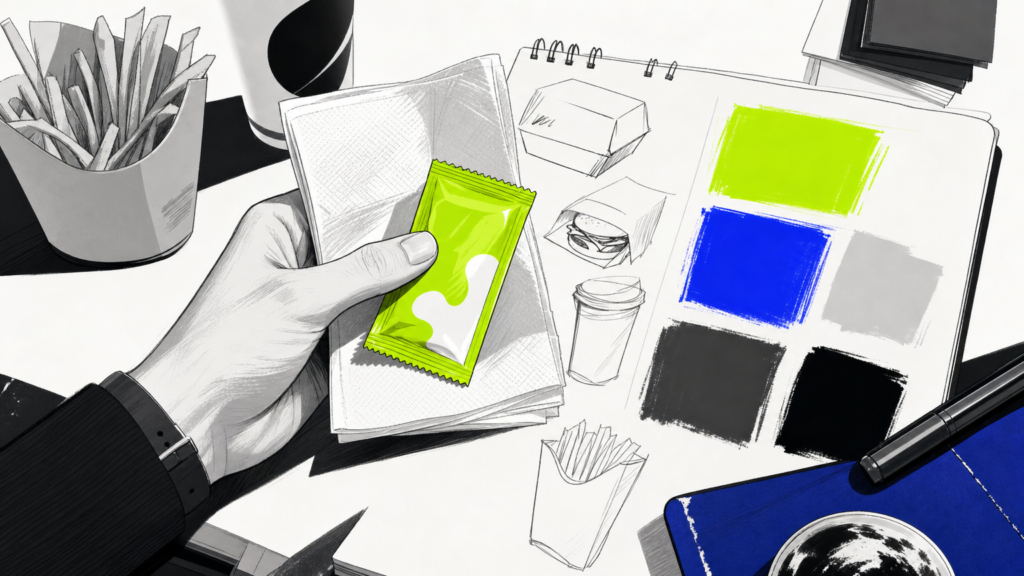
Your beverage’s success isn’t just about what’s inside the bottle, it’s also about how you present it. A well-crafted brand identity is an essential part of building your company, and a logo is an essential early asset; paired with product development, it helps your product stand out in a crowded market. Consider the following branding tips:
Tell a Compelling Story
Consumers connect with brands that have a purpose. Strong beverage brands often sell a lifestyle, not just a drink. For example, a functional sparkling tea can be positioned as part of a calm, design-forward daily ritual, not only as a refreshment. Whether it’s sustainability, wellness, or innovation, make sure your brand story resonates and builds community trust.
Eye-Catching Packaging
Premium and sophisticated packaging is a must to attract customers. Packaging is often one of the largest upfront investments and a major cost item for a beverage business. Premium packaging can also increase willingness to pay more. Consider glass bottles, minimalistic labels and sustainable materials to align with consumer values.
For inspiration, explore how NYC brands are embracing innovative packaging to elevate their products and connect with modern consumers.
Clear Positioning
Is your product a sophisticated alternative to wine? A functional health beverage? Make sure your messaging is clear and speaks to your target audience. Distinct positioning is one of the key factors behind long term success, and it is essential for brands that want to stand out.
Navigating Beverage Industry Distribution and Retail Partnerships
Even the best non-alcoholic beverage brand will struggle without the right distribution strategy. Getting your drinks into consumers’ hands is critical for growth, and the channels you choose can shape your brand’s success whether this is your first product or a line extension. Here are three proven approaches:
-
Direct-to-Consumer (DTC): Selling through your website lets you control the consumer experience, gather feedback, test new flavors, and build customer loyalty. Strong direct sales also help you sell more effectively online by sharpening your messaging and offers; for example, athletic brewing used DTC momentum to reach an $800M valuation.
-
Retail Partnerships: Placement in grocery stores, specialty shops, and bars boosts visibility. Many retailers now dedicate shelf space to non-alcoholic beverages, giving your brand more chances to stand out. Retail expansion is easier once you can show strong demand through early sales or sampling.
-
Online Marketplaces: Platforms like Amazon or alcohol-free specialists such as Boisson and Better Rhodes can help you reach a broader audience without heavy upfront costs.
Pilot runs also generate useful performance data for distributors and retailers. As you grow, choosing the right beverage co or co-packing partner is crucial for scaling production consistently.
Community Engagement and Marketing
Marketing a non-alcoholic beverage brand requires more than promoting a product; effective marketing strategies should build trust and community around the brand, not just awareness. Authentic storytelling, influencer collaborations and targeted digital marketing can help your brand stand out.
Social media platforms like Instagram and TikTok are ideal for showcasing the lifestyle and values behind your beverage. Consumers often respond to brands that reflect lifestyle, wellness, and mental well being. Hosting tasting events in local stores, pop-up venues, or through restaurant partnerships can build awareness, and sampling with direct consumer interaction also helps validate demand for the beverage.
Working with wellness influencers, bartenders, and sommeliers adds credibility and positions your brand as a trusted name in the non-alcoholic beverage market. The most effective collaborator is a strategic partner whose expertise can strengthen credibility across the beverage industry, especially when you’re building a distinct product and earning community trust.
Scaling Your Brand
Scaling a non-alcoholic beverage brand is a structured process that requires careful planning for long term success without sacrificing quality. As your brand gains attention, challenges such as maintaining product consistency, securing funding and optimizing supply chain operations become critical.
Choosing the right co-packer or production partner is crucial, helping you produce consistently at scale while managing cost.
Introducing new flavors, limited editions, or functional enhancements can keep your product line fresh and engaging, and expanding the range may also include low alcohol adjacencies or non alcoholic spirits depending on your brand strategy. Consistently monitoring consumer feedback and staying aligned with market trends ensures your brand continues to evolve and succeed in the long term.
Turning Your Non-Alcoholic Beverages Brand into a Market Leader
Building a successful non-alcoholic beverage brand isn’t about following a single formula, it’s about understanding the broader beverage industry and building a distinctive drink brand for the future.
The brands that thrive are those that create a distinct product, earn trust, and serve a clear range of consumer occasions, including non alcoholic cocktails or more sweet options where relevant.
By understanding your consumers, perfecting your product, and staying agile as trends evolve, you position your brand not just to launch, but to lead. Growing your brand can be easier with a partner like MAVRK Studio, which can support beverage product development from concept to production for founders launching a first product or scaling a company.