

Stand in any grocery store aisle, and you’re immediately surrounded by choices from rows of sauces, shelves of cereals, and endless sodas. Shoppers often decide in as little as three seconds, usually before they even notice the price.
That split-second decision isn’t accidental. In crowded retail environments, packaging acts as a brand’s most powerful salesperson. It must capture attention, communicate value, and build trust instantly while aligning with your brand and positioning. When executed well, packaging turns a simple container into a clear visual signal that resonates on an instinctive level.
In this blog, we’ll explain how effective packaging uses data and strategic insights to influence buying decisions—combining psychology, shelf visibility, and smart design choices to stand out in competitive retail spaces.
What Is a CPG Packaging Agency (And Why Isn’t It Just a Graphic Designer)?
CPG stands for Consumer Packaged Goods is the everyday items you buy, use up, and purchase again. Think of your morning cereal or a bag of potato chips. A CPG packaging design agency specializes in making these products stand out on the retail shelf.
So, why not just hire a graphic designer? While a talented designer creates beautiful visuals, retail packaging is a different game. An agency offering food and beverage packaging design services thinks beyond the computer screen. They consider how a box looks next to 20 competitors, what materials will protect the product while feeling good in a shopper’s hand, and how to tell a brand’s story almost instantly.
A packaging design company focuses on selling the product. Their job is more than art, but it’s about strategy and retail compliance. They navigate complex store rules and ensure the design works for shipping and stocking. This big-picture thinking turns a simple container into a powerful business asset, and it all starts not with a sketch, but with a strategic game plan.
Why Great Packaging Starts with Strategy
Effective packaging doesn’t start with visuals, but it starts with strategy. Before any design decisions are made, a CPG agency follows a clear process to ensure the packaging connects with the right buyer and stands out on the shelf.
- Define the target customer: Understanding the target audience is crucial. Whether it’s a busy parent or a budget-conscious student, this insight shapes design decisions and forms the foundation of strong branding and packaging.
- Analyze the competitive landscape: The agency analyzes competing products on the shelf to identify patterns and gaps. If similar products use dark or muted packaging, a lighter or cleaner design can create instant contrast, helping the product stand out.
- Establish the brand story: Once the customer and competition are clear, define the core message of the brand, whether it’s fun, natural, or premium. Strong consumer goods packaging branding examples, like Doritos vs. Method, prove how a clear brand story guides creative choices and reinforces recognition.
The Visuals: How Colors, Fonts, and Logos Tell a Story
Once the strategy is defined, the focus shifts from planning to execution. This is where ideas are translated into visual elements that shape how consumers perceive and recognize the brand.
- Color: Color is one of the most powerful tools in packaging design because it triggers an instant emotional response. Green often signals natural or healthy qualities, black suggests luxury, and bold colors like orange communicate strength, making color selection a key part of any CPG brand strategy.
- Typography: Typography adds character and reinforces a brand’s visual identity. Bold lettering conveys power and reliability, while softer fonts suggest a clean and eco-friendly approach. These choices help maintain consistency across the shelf and social media, building recognition and trust.
- Logo: The logo acts as the brand’s signature and must be instantly recognizable. Iconic examples like Coca-Cola show how the right combination of color, typography, and symbol can improve shelf appeal, allowing the product to communicate its story at a glance.
The Structure: Why the Shape of a Package Matters
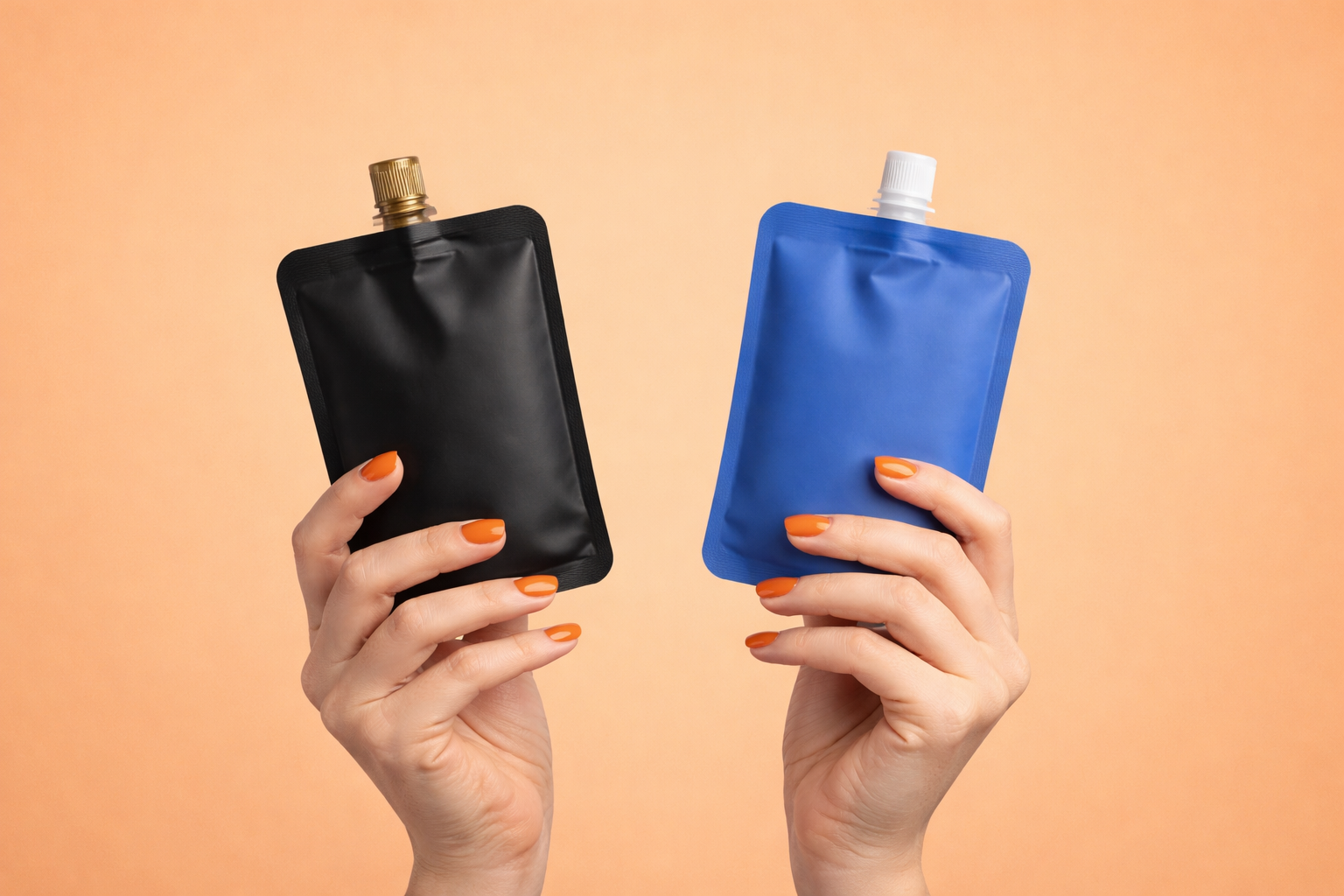
Beyond visuals, packaging must work in the customer’s hands. Structural packaging design for CPG products focuses on the shape, strength, and usability of the container. Agencies begin with a dieline—a technical blueprint that ensures the package is durable, efficient to produce, and ready for real-world use.
Smart structure directly affects customer experience, especially in food and beverage packaging design, where ease of use matters. Features like resealable coffee bags or dual-function spice jars reduce friction, solve small problems, and quietly build brand loyalty.
When structure is done right, it becomes part of the brand itself. Iconic shapes like the Coca-Cola bottle or Pringles can are recognizable without labels, proving that the right balance of form and function strengthens recall while mistakes in structure can be costly.
Packaging Design Agency vs. Freelancer
Deciding who to hire for packaging design can be challenging. A freelancer and a packaging design agency serve very different roles, and understanding that difference helps set the right expectations from the start.
Working with a Freelancer
A freelancer is well-suited for focused, execution-based tasks. If you need a single label, a small packaging update, or artwork for one product, a freelancer can deliver efficiently and cost-effectively. Their role is typically limited to design execution, working from an existing brief without deep involvement in brand strategy, competitive analysis, or long-term scalability.
Working with a Packaging Design Agency
A packaging design agency operates at a strategic level. Beyond visuals, agencies manage brand positioning, packaging systems, and shelf performance across an entire product line. This is important when multiple SKUs need to feel connected while still standing out individually.
How Cost and Value Differ
An agency often requires a higher upfront investment, but that cost reflects strategic oversight, risk reduction, and brand protection. As past redesign failures have shown, packaging decisions that ignore brand recognition can result in significant revenue loss. With an agency, you’re not just paying for design, but you’re investing in expertise that ensures your packaging works as a sales tool.
Choosing the Right Fit
The freelancer vs. agency decision ultimately depends on your goals. A single product with limited distribution may only need a freelancer. But building a scalable brand with multiple products demands an agency’s ability to think holistically, maintain consistency, and protect long-term brand equity.
How to Read a Supermarket Aisle Like an Expert
Once you understand how packaging works, grocery shelves look different. Every color, structure, and design choice reflects a deliberate CPG brand strategy meant to capture attention and communicate value in seconds. The next time you shop, notice how packaging signals who a product is for and why it belongs in your hands. That ability to stand out clearly and confidently is no accident.
If you’re building or refining a CPG brand and want packaging that performs as well as it looks, MAVRK Studio helps brands turn strategy into shelf-ready design that earns attention and drives results.