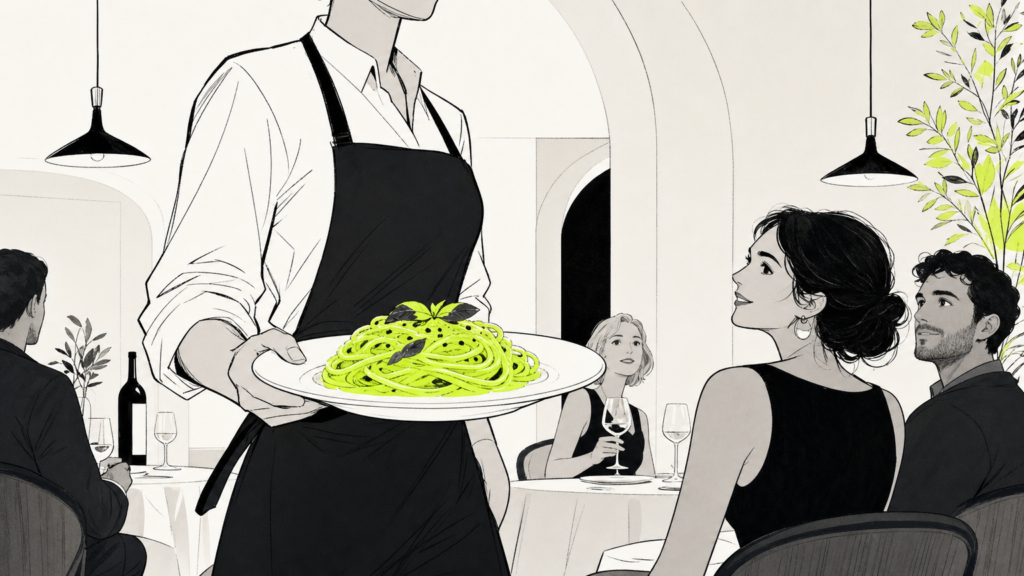


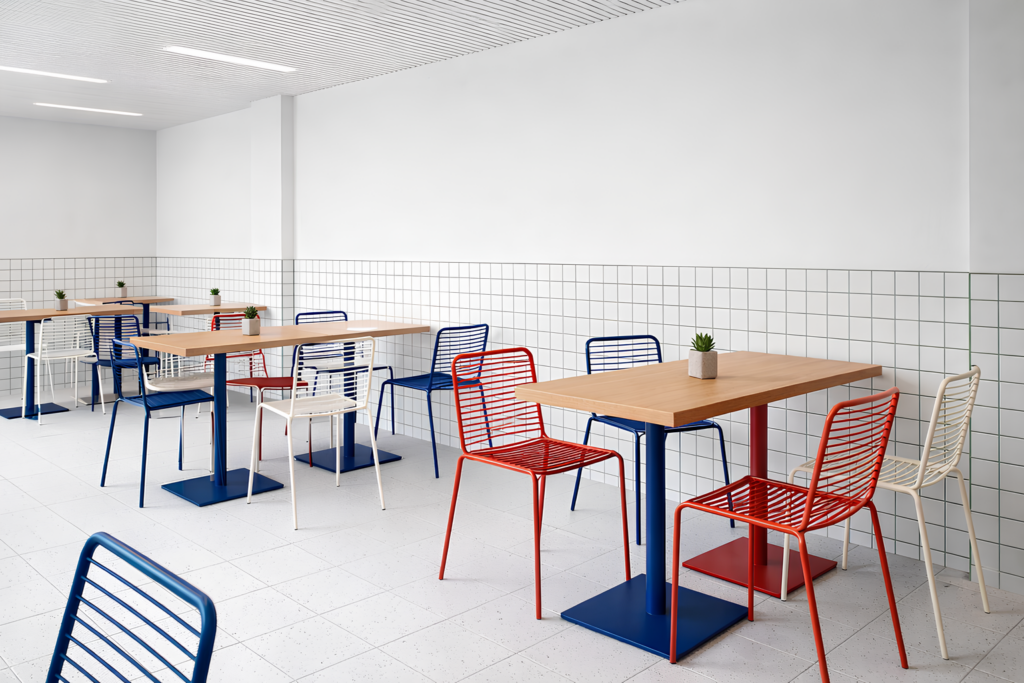
Restaurant creative agencies improve customer engagement through design by turning a restaurant’s concept into a cohesive and memorable brand. They align visual identity, interior aesthetics, menu design, and digital touchpoints to tell a consistent story that resonates with diners. The result is a space and brand that feels intentional, authentic, and easy to connect with.
For chefs and owners focused on operations, this strategic design approach bridges the gap between great food and lasting customer loyalty, which transforms first-time visitors into repeat guests.
What Does a Restaurant Creative Agency Do?
A restaurant creative agency defines and translates a restaurant’s core concept into a cohesive, engaging brand experience. Its primary role is to clarify what makes the restaurant unique, often referred to as the brand’s “Big Idea,” and apply that strategy consistently across every customer touchpoint.
This guiding idea shapes all design and branding decisions. Whether a restaurant positions itself as a fast, high-energy lunch destination or an intimate evening dining spot, the agency ensures that the visual identity, menu design, interior elements, and digital presence reinforce the same message. This alignment is essential to effective hospitality branding and customer engagement.
A restaurant creative agency applies this strategic logic across logos and content marketing to create a unified and memorable experience. Without this foundation, branding becomes a set of disconnected visuals. With it, design becomes strategic, which helps restaurants attract the right customers, build recognition, and encourage repeat visits.
How Strategic Menu Design Influences What Guests Order
A well-designed menu does more than show what’s available, but it guides customers toward your most special and profitable dishes. This isn’t about being tricky, but it’s about making it easy for guests to find and order the best things you offer.
According to Restaurant365, customers scan menus in predictable patterns, often moving from the center to the upper-right corner. These “prime zones” are effective for high-value items.
A smart agency uses this knowledge by placing a star item with an engaging description there, drawing immediate attention. This strategic layout is crucial in professional menu design, turning a simple piece of paper into a tool that can increase restaurant sales.
Below are two approaches that you can consider:
- BEFORE: A crowded menu with tiny text and prices all lined up in a neat column, inviting customers to price-shop.
- AFTER: A clean menu with a special box highlighting “Chef’s Favorites,” easy-to-read prices without dollar signs, and short, tasty descriptions that sell an experience.
Professional Food Photography for Restaurant Marketing
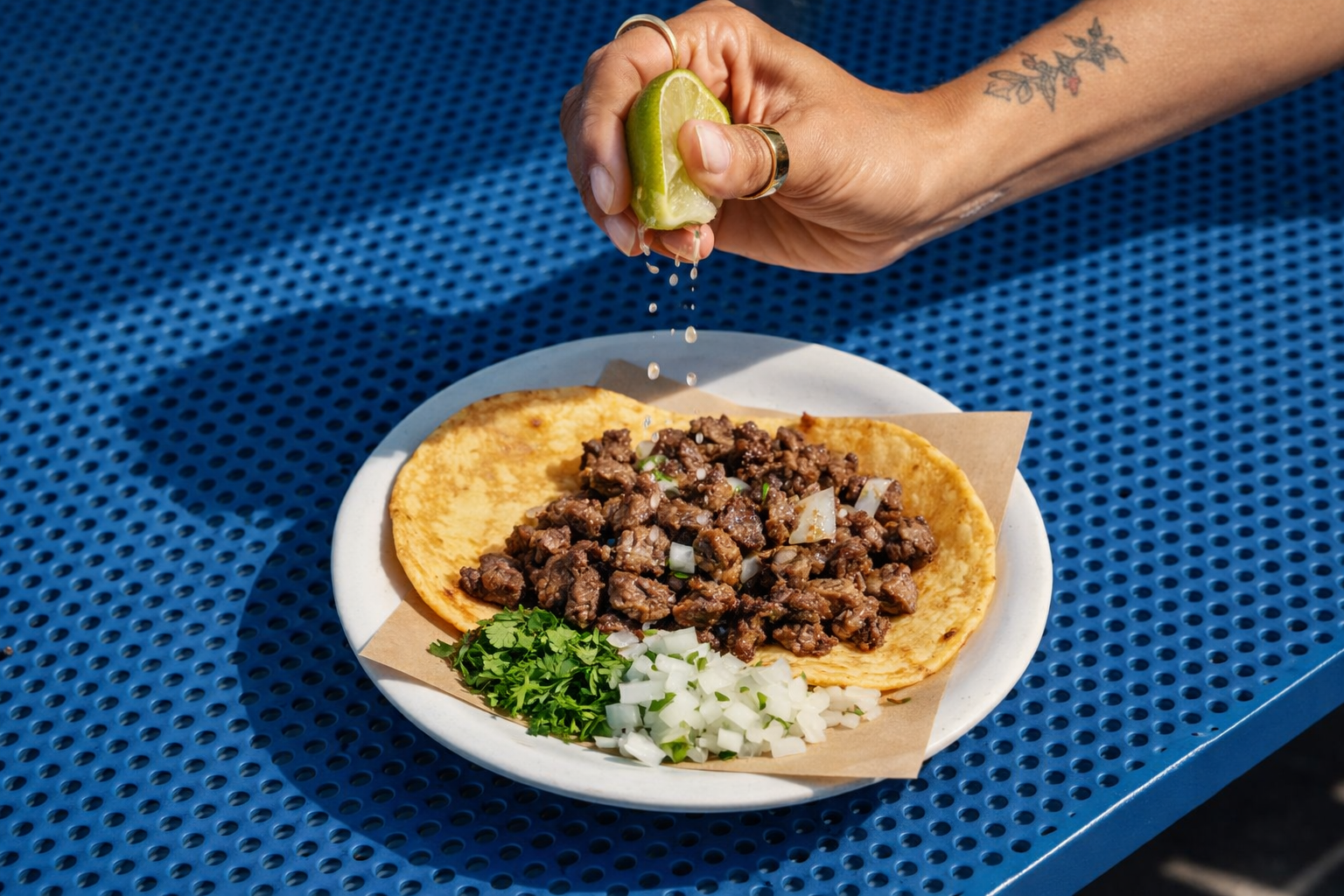
Most diners discover restaurants online, where photos create the first impression. Low-quality images can weaken trust, while professionally styled photos immediately communicate quality and attention to detail.
A restaurant creative agency uses food photography to tell a visual story. Through intentional lighting, composition, and styling, images highlight freshness and craftsmanship, setting clear expectations before a guest ever visits.
These visuals support every digital touchpoint, from websites and delivery apps to social media and menus. When photography is consistent and strategic, it strengthens brand perception, increases engagement, and helps attract diners before they step through the door.
How to Be Found Online: From Digital Ghost to Go-To Restaurant
Strong visuals attract attention, but visibility is what turns interest into action. To consistently bring diners from their phones to your tables, your digital presence needs to work as a connected system.
- Build a Website That Answers Questions Instantly: Your website is your digital front door. It should clearly show your location, hours, menu, and reservation or ordering options.
- Show Up Where People Are Searching: A website only matters if customers can find it. Local SEO ensures your restaurant appears in “near me” searches, helping nearby diners discover you at the exact moment they’re deciding where to eat.
- Use Social Media to Build Familiarity and Trust: Social media platforms bring your brand to life beyond the menu. Sharing behind-the-scenes moments, staff stories, and real experiences helps turn first-time visitors into regulars.
- Connect Every Touchpoint Into One Experience: When your website, search visibility, and social content work together, they guide customers seamlessly from discovery to dining.
In-House Marketing vs. Hiring a Restaurant Creative Agency
Running a restaurant already demands constant attention, from operations to staff management. When marketing is added to the mix, the decision between handling it in-house or working with a restaurant creative agency often comes down to time, expertise, and long-term growth goals.
In-House Marketing
Managing marketing internally can work for small teams with the right skill set, but it often pulls owners and staff away from core responsibilities. Designing menus, writing content, managing social media, and maintaining digital visibility require specialized knowledge and consistent effort. When these tasks are handled without dedicated expertise, marketing becomes reactive rather than strategic and results can plateau.
Working With a Restaurant Creative Agency
A restaurant creative agency provides focused expertise across branding, design, and digital marketing. Instead of dividing attention, owners gain a dedicated partner responsible for building visibility, strengthening brand consistency, and supporting growth. This allows restaurant teams to focus on food, service, and operations while marketing efforts are executed with clarity and purpose.
How a Restaurant Creative Agency Brings a Brand Story to Life
At MAVRK Studio, restaurant branding is never treated as a collection of disconnected assets. Menus, visual identity, photography and digital touchpoints are designed to work together, each reinforcing a clear, intentional story.
Every project begins with defining the restaurant’s core concept, or “Big Idea.” This strategic foundation guides all creative decisions, ensuring the brand communicates the right message at every interaction.
Whether the goal is refined, high-end dining or an energetic, casual experience, our team helps restaurants move beyond surface-level design and build brand experiences that feel intentional, memorable, and built for long-term growth.