

Your packaging is the first point of contact customers have whether online or in-store. A well-crafted design doesn’t just look good but it builds an emotional connection, communicates your brand values and influences the buying decision. Working with an experienced creative agency ensures your packaging not only stands out on the shelf but also meets industry standards.
This guide walks you through the essentials of the CPG packaging design process, addressing what many brands want to understand when planning their next launch, including what are the top packaging solutions for CPG products. From early concept development to practical execution tips, it helps you navigate your next project with clarity and confidence.
The Role of Consumer Packaged Goods Design
Product packaging is more than a container, but it’s the first brand encounter and a powerful tool for influencing buying decisions. Effective design tells a story and communicates brand values in a way that resonates with consumers and helps build trust from the very first interaction.
According to Ipsos, 72% of Americans say packaging design influences their purchasing choices, while 67% note that the materials used also matter. These highlight how thoughtful packaging design extends beyond visual appeal but also directly shapes consumer trust, strengthens brand perception, and guides buying behavior.
How Packaging Design Influences Buying Decisions
Packaging design is essential at the point of purchase, especially in busy retail and digital spaces where consumers make quick decisions based on visuals. Elements like color, typography, imagery, and structure create first impressions and convey value, quality, and relevance.
Effective consumer packaged goods (CPG) packaging clearly communicates product benefits, such as clean ingredients, sustainability, premium quality, or convenience, helping consumers see how a product meets their needs without needing further explanation. This clarity fosters trust and reduces hesitation.
Packaging that aligns with a brand’s personality and resonates with its target audience evokes familiarity, curiosity, or aspiration. Consistent packaging enhances brand recall, encouraging repeat purchases.
Packaging design influences perceived value, brand credibility, and conversion rates. Brands that focus on strategic, consumer-centric packaging design differentiate themselves, compete successfully, and sell more confidently in both retail and digital environments.
Top Packaging Solutions for CPG Products
The top packaging solutions for CPG products focus on functionality, shelf impact, sustainability, and scalability. The most effective solutions balance brand storytelling with practical performance across retail and e-commerce channels.
- Flexible packaging, including pouches and sachets, is popular in CPG for its cost efficiency, versatility, and benefits like resealability and extended shelf life.
- Rigid packaging, like bottles and jars, provides strong product protection and premium appeal for beverages, supplements, and household goods.
- Sustainable packaging for CPG brands focuses on using recycled, biodegradable, compostable, or refillable materials to reduce environmental impact.
- Minimalist packaging with simple layouts and limited colors effectively communicates transparency and trust.
- Smart packaging solutions, including QR codes and tamper-evident seals, enhance usability and engagement.
- E-Commerce-Optimized Packaging, CPG packaging must be durable, compact, and protective for online shopping.
- Custom structural packaging with unique shapes, finishes, and closures enhances brand differentiation and perceived value.
The Importance of Packaging Design
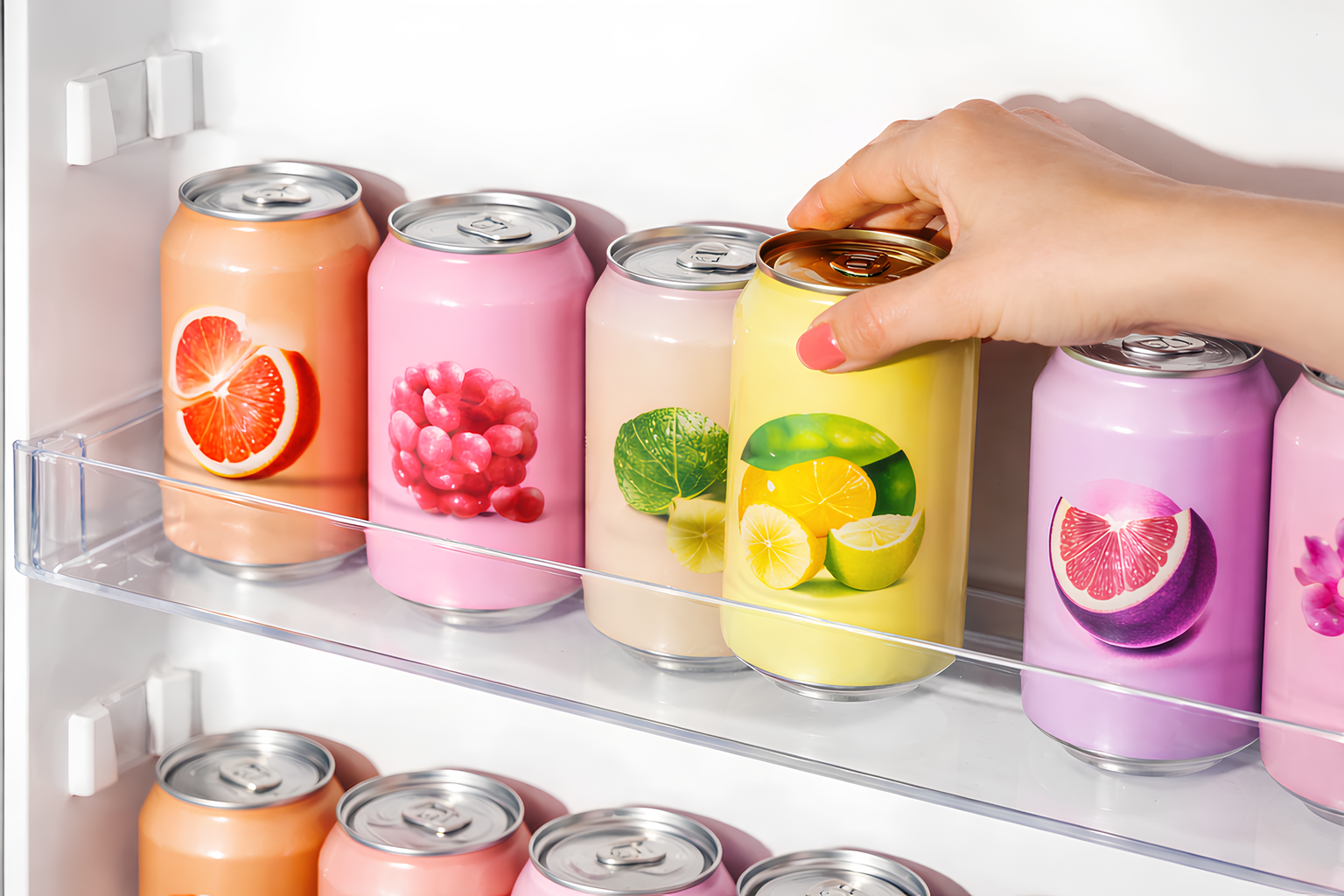
Eye-catching packaging design captures attention on crowded shelves and significantly increases the likelihood of a purchase decision. As Packaging of the World notes, a well-designed packaging influences emotional response, brand perception, and consumer behavior.
By choosing to create packaging with emotion and user experience in mind, brands can build trust and deliver interactions that strengthen long-term relationships. According to the NVC Packaging Centre, 76% of buying decisions are made in-store, emphasizing the need for packaging that attracts attention and communicates value instantly.
Unique and innovative packaging designs are also more likely to be shared on social media, which broadens visibility and engagement. At the same time, sustainable packaging has become a core expectation among consumers who prioritize environmentally responsible practices.
Step-by-Step CPG Packaging Design Process
The process of consumer packaged goods design is a strategic approach that transforms brand ideas into packaging that attracts attention and drives sales. By following these steps, you can create packaging that is both visually compelling and market-ready.
- Research and Discovery: Start with research to create packaging that resonates. Define the product’s concept and USP, then study trends and consumer preferences to build a design that connects.
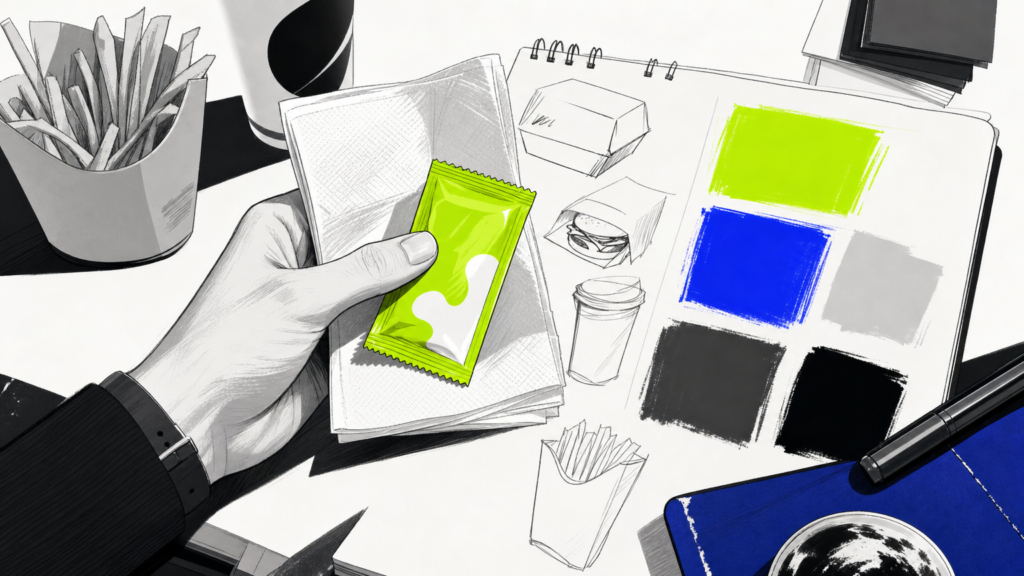
- Brainstorming and Ideation: Bring your creative team together to brainstorm ideas. Experiment with concepts, color palettes and layouts that align with the brand identity and enhance the product’s appeal.
- Idea Development: Narrow down the strongest ideas and refine them. Each concept should clearly convey the brand message, highlight product attributes and evoke the right emotions.
- Design Execution: Use a data-driven approach to turn concepts into polished visuals. Combine design software with skilled illustrators, ensuring typography, imagery and color schemes align seamlessly to create a cohesive package.
- Prototyping: Translate digital designs into physical prototypes. Test for size, texture and feel to confirm that the design works as intended before mass production.
- Consumer Testing: Share prototypes with your target audience through focus groups or surveys. Collect feedback on likes, dislikes and impressions to guide refinements.
- Finalization and Production Preparation:Incorporate consumer feedback, finalize the design and coordinate with production teams. This ensures the packaging is both attractive and practical for large-scale manufacturing.
Tips to Create the Best Packaging Designs
Brands need a balance of strategy, creativity and consumer insight to create the best CPG packaging designs. Here are key tips to guide the process:
- Know Your Audience: Research consumer demographics and preferences to design packaging that resonates emotionally and meets consumer expectations.
- Showcase Brand Identity: Align colors, typography and imagery with your brand’s personality, values and story to ensure consistency across all products.
- Prioritize Clarity: Use simple layouts, legible fonts and intuitive visuals to communicate essential product information quickly to consumers.
- Stand Out from Competitors: Incorporate bold colors, unique shapes and creative illustrations that differentiate your product while staying relevant to your category.
- Balance Form and Function: Ensure packaging is both attractive and practical, with features like resealability and durability that improve the consumer experience.
- Use Quality and Sustainable Materials: Choose materials that reflect your brand values while appealing to eco-conscious buyers.
- Tell a Compelling Story: Leverage visuals and copy to highlight product benefits and create an emotional connection with consumers.
- Test and Refine: Gather feedback through focus groups or small-scale tests, then adjust designs based on real consumer responses.
- Embrace Sustainability: Eco-friendly packaging isn’t just a trend but it’s a consumer expectation that builds trust and loyalty.
- Stay Relevant: Refresh designs regularly to align with current tastes and evolving market trends
From Shelf Appeal to Sales Impact
Effective CPG packaging is crucial in shaping consumer perception and influencing purchase decisions. From concept to shelf, the right design enables a CPG brand to connect with its target audience through packaging that is both functional and visually appealing. When executed well, it elevates ordinary food products into memorable brand experiences that boost sales and foster long-term loyalty.
Looking to design packaging that truly captures attention and delivers results? Contact MAVRK Studio now to turn your ideas into reality!