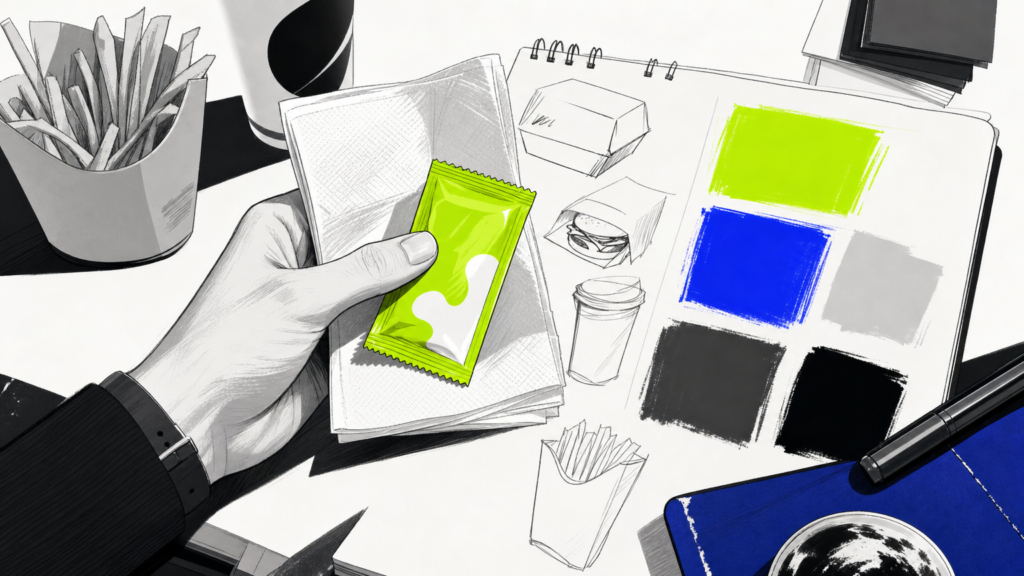


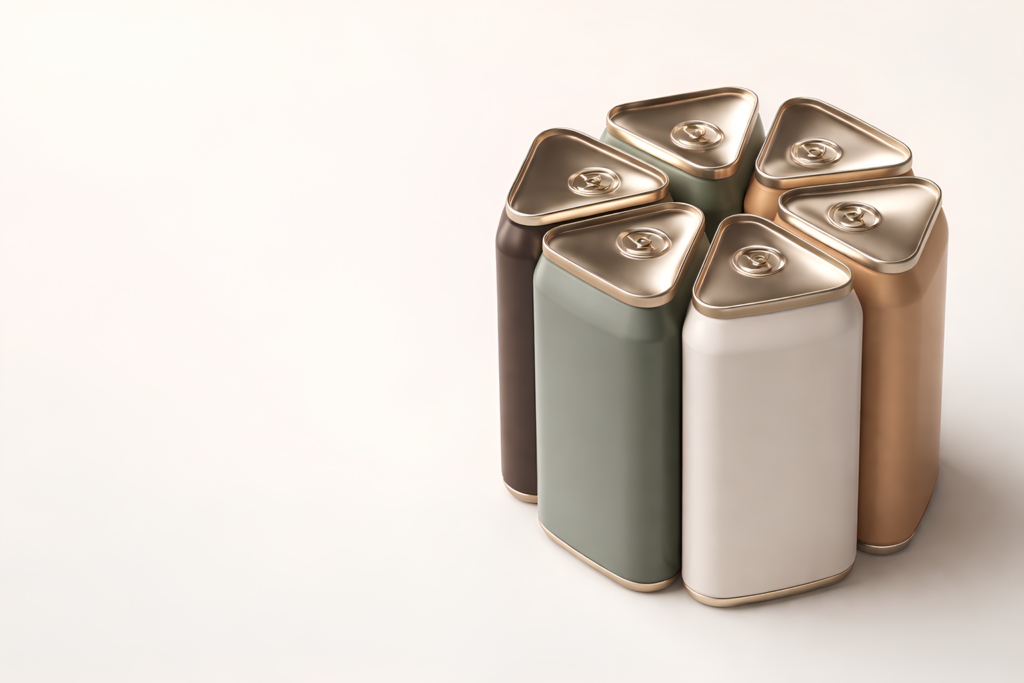
Brand packaging is often overlooked in the early stages of building a business, yet it plays a critical role in shaping how customers perceive your brand. In e-commerce, where physical interactions are limited, packaging becomes a tangible touchpoint that customers experience.
This makes it a powerful tool for reinforcing brand identity, building trust, and creating a memorable unboxing experience. Investing in thoughtful brand packaging allows businesses to stand out, communicate quality, and leave a lasting impression beyond the product itself.
In this blog, we explore the role of branded packaging and highlight key packaging types that enhance customer experience and strengthen brand perception.
Understanding Branded Packaging
Branded packaging refers to the physical materials used to contain and present a product, designed to reflect and reinforce a brand’s identity. Beyond functionality, it serves as a strategic touchpoint that communicates your brand’s values, positioning, and attention to detail.
For e-commerce businesses, branded packaging is one of the few direct, tangible interactions customers have with your brand. It shapes first impressions, builds recognition, and enhances the overall experience from delivery to unboxing.
Below are four key reasons why investing in branded packaging can significantly impact how your brand is perceived and remembered.
- Brand Packaging Sets You Apart: As e-commerce grows more competitive, standing out requires more than a strong product. Brand packaging plays a critical role in differentiation by shaping both the visual and physical customer experience. Even simple touches like custom tape or a branded logo can significantly elevate how your brand is perceived from the moment it arrives
- Reinforces Brand Identity: Consistent brand packaging bridges the gap between your online presence and the physical product experience. It reflects your brand’s personality, values, and positioning in a tangible way.
- Supports Your Marketing Strategy: Brand packaging extends your marketing beyond digital channels by turning every delivery into shareable content. A well-crafted unboxing experience can increase perceived value and encourage customers to engage with your brand online. When customers share their experience on social media, it amplifies reach organically. Including a simple call-to-action, such as a branded hashtag or social media handle, can further drive visibility and user-generated content.
- Enhances the Customer Experience: Brand packaging adds an emotional layer to the delivery, creating anticipation and excitement as customers unbox their purchase. When done well, it makes the product feel more premium and thoughtfully presented. This added value not only improves satisfaction but also increases the likelihood of repeat purchases and brand loyalty.
5 Types of Packaging
1. Boxes
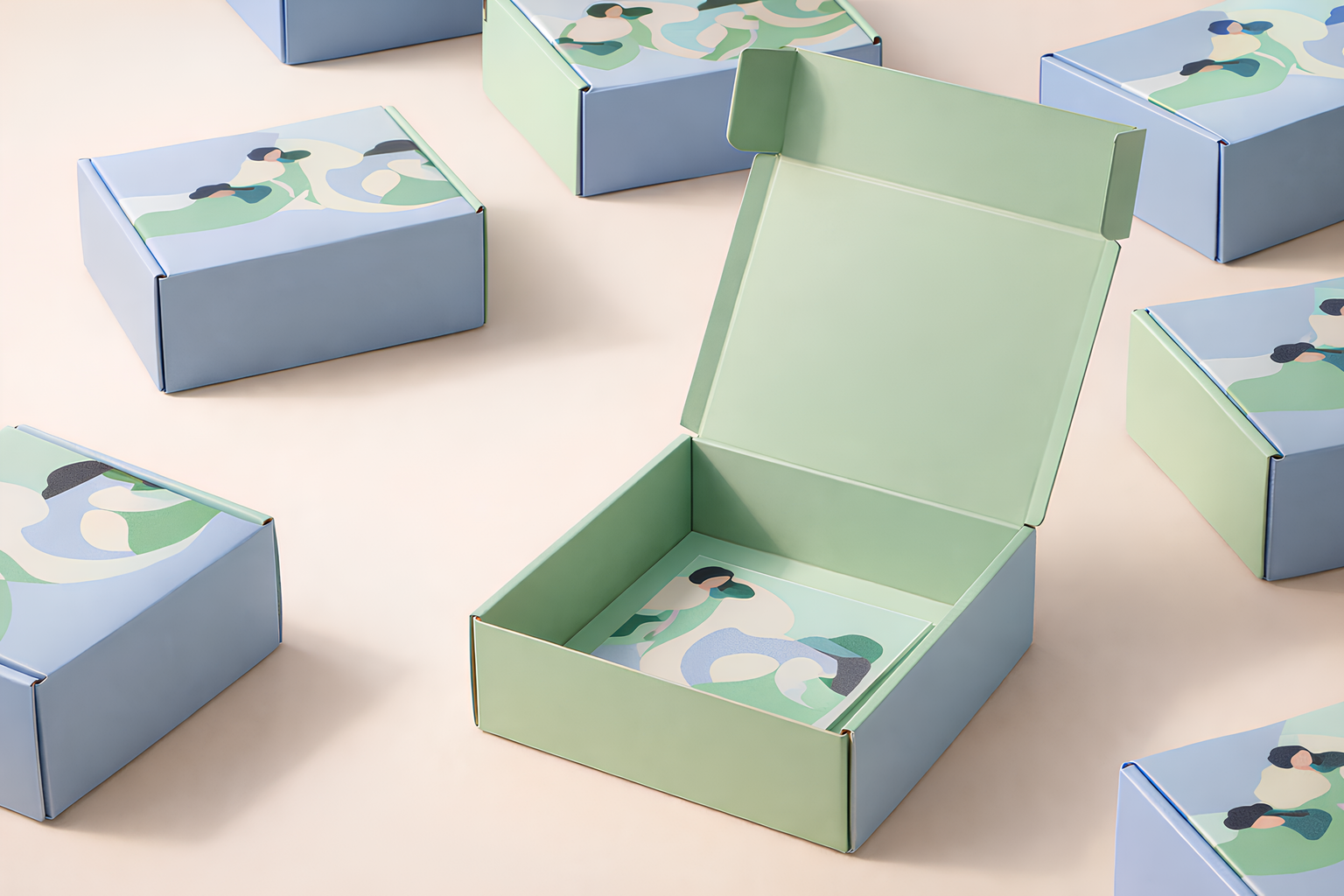
Boxes include more than standard cardboard formats. This covers rigid containers like cartons, corrugated mailers, and metal tins, which are designed to protect products while supporting presentation.
Best used for: They’re ideal for e-commerce, offering durability and space for branding, while enhancing the unboxing experience and overall brand perception.
What are the Best Materials for Branded Gift Boxes?
Choosing the best materials for branded gift boxes is one of the most important decisions in packaging, because the material affects durability, sustainability, print quality, tactile experience, and how your brand is perceived by customers.
Here are the top materials commonly used for high‑quality branded gift boxes (especially in the United States):
- Rigid Cardboard / Paperboard
- Kraft Paper & Kraft Board
- Specialty & Textured Papers
- Fabric-Wrapped Materials (Velvet, Silk, Linen)
- Wood
- Acrylic / Transparent Materials
- Sustainable & Recycled Materials
- Finishes & Coatings (Enhancing the Luxury Feel)
Boxes are one of the most common types of product packaging because they’re easy and convenient. When it comes to box design, they are a great blank canvas. You’ve got flat, stiff surfaces perfect for printing logos and other designs onto.
2. Custom Pouches
Vacuum packaging is often associated with airline meals, but its applications extend far beyond that. It’s widely used across industries from cosmetics and skincare to snacks and bulk shipments because it preserves product integrity and extends shelf life.
Custom pouches take this a step further by combining the benefits of vacuum technology with strong visual branding. Formats like stand-up zipper bags, spouted pouches, and gusseted coffee bags offer full-bleed design space, easy-tear openings, and resealable closures. These features not only keep products fresh for longer but also enhance usability and shelf presence.
Best used for: Perishable goods requiring extended freshness, tightly packed multi-unit bundles for wholesale, and travel-friendly packaging solutions that prioritize both protection and presentation.
3. Bottles
Bottles remain a reliable packaging choice for liquids, lotions, and supplements due to their versatility and functionality. Available in a wide range of materials, shapes, and finishes from everyday disposable plastics to premium embossed or engraved designs. Bottles can be tailored to match both product requirements and brand positioning.
Effective bottle packaging goes beyond label design. The shape of the bottle plays a key role in both visual identity and usability. While standard bottle forms offer cost efficiency and familiarity, custom-shaped bottles can elevate shelf presence and create a more distinctive brand experience.
Closures are equally important in bottle packaging design. Options such as screw tops, corks, or swing-top lids influence not only product preservation but also how consumers interact with the product. Choosing the right combination of form and closure ensures consistency between function and brand intent.
Best used for: Beverages and cosmetics that require controlled dispensing, as well as products where packaging shape and closure directly enhance the user experience.
4. Cans
Cans are a practical option for liquid products, but their shape introduces unique design considerations. Whether tall, slim, or wide, most cans are cylindrical which requires graphics that wrap seamlessly around curved surfaces.
Not all cans follow this form. Flat, pull-top designs like sardine tins offer a different approach, where layout behaves more like box packaging due to the flat surface.
Canisters, often used for dry goods like coffee, supplements, or nuts, share a similar cylindrical shape but add reusability and resealability. This makes them ideal for products that need long-term freshness and repeated use.
Best used for: Carbonated beverages and shelf-stable foods requiring light protection, as well as dry goods that benefit from airtight, resealable canisters.
5. Shelf‑ready packaging
Shelf-ready packaging is designed to move products from delivery to display with minimal effort. Cartons with perforated panels or hinged lids quickly convert into organized, branded trays which eliminates the need for unpacking or rearranging.
Because the outer surfaces remain visible, this format doubles as a marketing tool. It showcases branding, colors, and barcodes while keeping products neatly aligned. The result is faster restocking, reduced labor, and a cleaner in-store presentation.
Best used for: High-turnover retail items that require quick shelf replenishment, and bulk or club-store products where immediate visibility and branding matter.
Packaging That Sells Before the Product Does
Branded packaging is more than a visual upgrade but it’s a core part of how your product communicates, competes, and converts. When packaging is done right, it reinforces your identity, builds recognition, and shapes the customer experience from the first glance to the final use.
A strong brand starts with a clear visual foundation, but it’s packaging that brings that identity into the real world. Aligning your packaging with your brand strategy ensures consistency across every touchpoint, from shelf presence to unboxing.
If you’re looking to create packaging that not only looks good but drives real business impact, MAVRK Studio can help. From brand identity to packaging design, we build systems that are designed to stand out and sell.