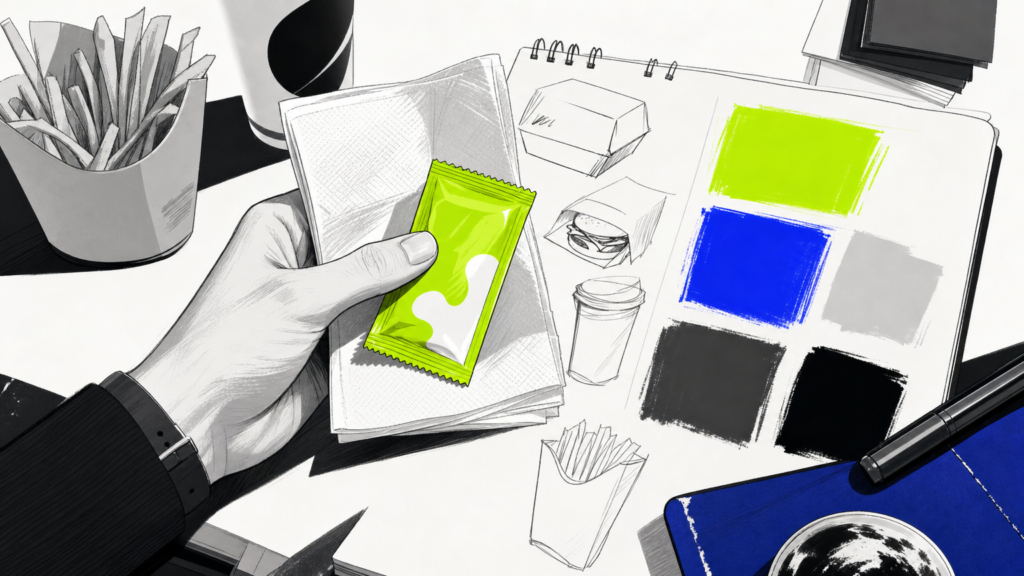


Product label design plays a key role in how consumers evaluate and choose products. As one of the first touchpoints at the shelf, a label must clearly present essential information while reflecting the brand’s identity. Strong product label design builds trust, improves visibility and helps products stand out in crowded markets.
This article highlights practical product label design tips and current trends to help brands create labels that are clear, engaging and strategically aligned with their market positioning.
Why Product Label Design Is Essential for Success
Product labels are a core part of a product’s identity and a powerful driver of purchasing decisions. Effective label design clearly communicates a product’s value, benefits and purpose which helps customers quickly understand why it stands out. When done well, labels build trust and encourage engagement. When done poorly, they can cause shoppers to overlook the product entirely.
Pressure-sensitive labels are often the first point of interaction between a product and a consumer. They deliver essential information, support brand recognition and create immediate visual impact at the shelf level. A strong product label design can be the deciding factor that captures attention and motivates a purchase.
Key Product Label Design Tips
In a competitive market, a product label helps products stand out and communicate value quickly. The following tips will help guide effective label production and improve shelf appeal.
- Prioritize Readability: Labels should make essential information such as the product name, brand, quantity and company details easy to read at a glance. Clear typography and effective font pairing improve legibility, even from a distance, ensuring customers can quickly understand what they’re buying.
- Use Strategic Typography Pairing: Smart typography pairing helps create visual hierarchy and contrast. Choosing complementary fonts enhances the overall label and allows shoppers to quickly identify key information.
- Add Purposeful Visual Elements: Images or illustrations add personality and visual interest to product packaging. Custom visuals that align with your brand help communicate product value without overwhelming the label. Visual elements should always match the product’s tone and purpose.
- Design with White Space in Mind: White space improves clarity and balance in a product label. Proper spacing between elements helps separate information and makes the label easier to scan and understand.
- Select Fonts That Reflect the Product: Font choice influences how a product is perceived. Testing different font combinations, weights and styles ensures the label looks cohesive, aligns with the brand and attracts consumer attention.
- Maintain High Print Quality: Strong product label design doesn’t stop at visuals but it must translate flawlessly in print. High-quality printing enhances the label’s finish, durability and overall presentation, helping your product make a strong first impression.
Branding Consistency in Product Label
When labels follow a unified brand style, customers can easily identify your products and develop trust over time. Inconsistent labeling can dilute brand recognition and create confusion at the point of sale. Pressure-sensitive labels should align closely with your overall brand identity. This means maintaining consistent use of colors, typography, logos, and layout across all products.
Tone and messaging should also remain uniform to reinforce brand values. A cohesive design creates a seamless brand experience that strengthens visibility and helps your products stand out in competitive markets.
Common Mistakes to Avoid
Effective product label requires clarity and intention. Avoiding these common mistakes can help ensure your labels remain impactful and easy to understand:
- Overloading the label with text which can overwhelm and confuse consumers
- Using fonts that are difficult to read or unsuitable for the product
- Choosing color schemes that clash with brand identity or reduce legibility
- Failing to include essential information such as product details, logos or regulatory data
- Overlooking compliance requirements which can reduce trust and cause issues at retail
Stand Out and Stay Ahead with Effective Product Label Design
Product label design goes beyond aesthetics but it helps differentiate your brand and delivers the information customers need to make confident purchasing decisions. From pressure-sensitive labels to custom folding cartons, well-designed packaging plays a direct role in attracting attention and driving choice.
Have questions or ready to get started? Contact us today.