

Understanding the pros of social media allows businesses to fully leverage its potential, from increasing visibility to building meaningful customer relationships.
When executed strategically, social media marketing expands your reach, strengthens brand awareness, and turns interest into real customer action. The key is choosing the right platforms and creating content that resonates with your audience.
Whether it’s short-form video on TikTok or direct engagement through messaging platforms, each channel offers an opportunity to connect with intent.
Here are seven reasons why social media is important for your food business.
1. Cost-Effective and High-Impact Marketing
Social media is one of the most efficient and affordable ways to promote your food business. Today’s diners actively check platforms before deciding where to eat. Studies show that 72% review Facebook comments and images to guide their choices.
This level of transparency allows you to showcase your menu, highlight consistency, and build trust. Even with paid ads, social media remains more cost-effective than traditional advertising channels.
2. Real-Time Updates That Keep Customers Engaged
Social media allows you to communicate instantly with your audience. Whether you’re sharing menu updates, daily specials, holiday hours, or limited-time promotions, it keeps your customers informed and engaged. This immediacy helps maintain relevance and encourages repeat visits.
3. Direct, Two-Way Communication
Modern consumers, especially Millennials and Gen Z, prefer quick, digital interactions over phone calls. Social media provides a seamless way to answer inquiries, address concerns, and engage in real conversations. This accessibility strengthens relationships, builds trust, and fosters long-term brand loyalty.
4. Visual Marketing That Drives Cravings
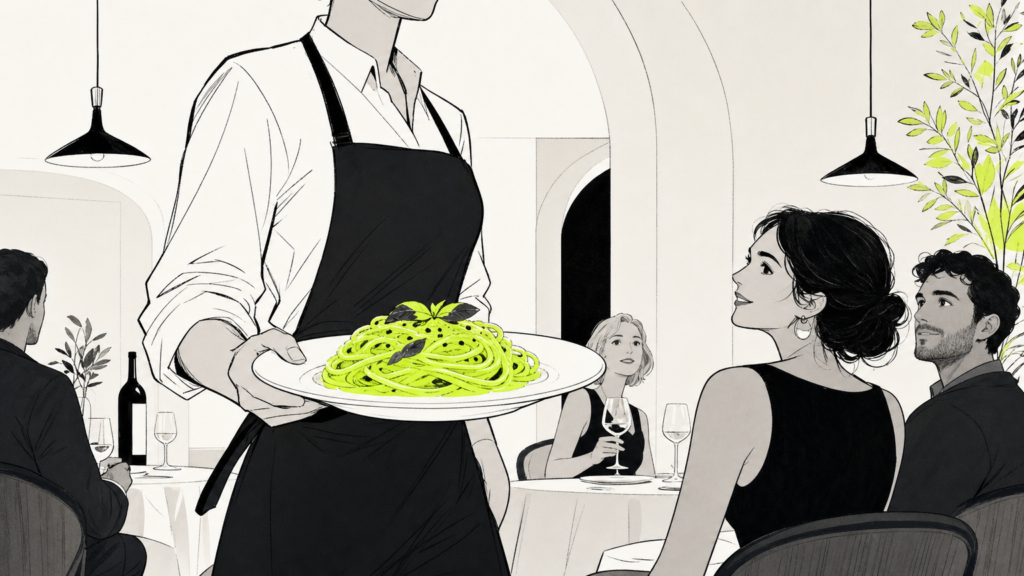
Food is inherently visual, and platforms like Instagram make it easier than ever to capture attention. High-quality content can instantly influence decision-making. Strong visuals don’t just attract attention, but they create desire and drive action.
5. Valuable Customer Insights
Social media offers direct insight into how customers experience your brand. Reviews, tags, and shared content show what people love, and where you can improve. These real-time insights help you refine your offerings and elevate the overall dining experience.
6. User-Generated Content That Builds Trust
Customer photos, reviews, and posts act as powerful social proof. Because this content comes from real diners, it carries more credibility than branded messaging. Sharing user-generated content not only strengthens trust but also turns satisfied customers into advocates who help expand your reach organically.
7. Stronger Online Visibility and Searchability
An active social media presence can improve your restaurant’s visibility online. While social media is not a direct ranking factor in Google’s algorithm, it plays a clear supporting role. Consistent content, audience engagement, and traffic from social media platforms help signal popularity and authority, factors that contribute to stronger search performance and brand discoverability.
If you’re just starting, focus on building a solid foundation. Choose one or two key platforms, such as Instagram and Facebook, and invest in creating consistent, high-quality content. Once you establish a strong presence, you can expand to additional channels with a clearer strategy and greater impact.
Best Social Media and Food Content Platforms
Each social media platform plays a unique role, and selecting the right combination helps your food business connect with the right audience more effectively.
- Facebook: Facebook continues to be a strong foundation with a whopping 07 billion active users. It offers a large global audience along with features that support updates, reviews, and essential business information. It works best for sharing announcements, menu updates, and building trust through customer feedback.
- Instagram: A visual-first platform that allows you to showcase dishes through high-quality photos, short videos, and behind-the-scenes content. Interactive features like polls, Q&As, and stories also encourage engagement, helping you build a loyal and connected community.
- TikTok: A standout platform for its powerful discovery algorithm, giving even smaller accounts the chance to reach a wide audience. Content that performs well often blends storytelling, trends, humor, and visually appealing food moments, making it a strong platform for authentic and engaging brand exposure.
- Pinterest: Pinterest is often underestimated but highly effective for discovery. With a large volume of food-related content, it’s ideal for sharing recipes, concepts, and visually appealing dishes that position your brand as both inspiring and worth exploring.
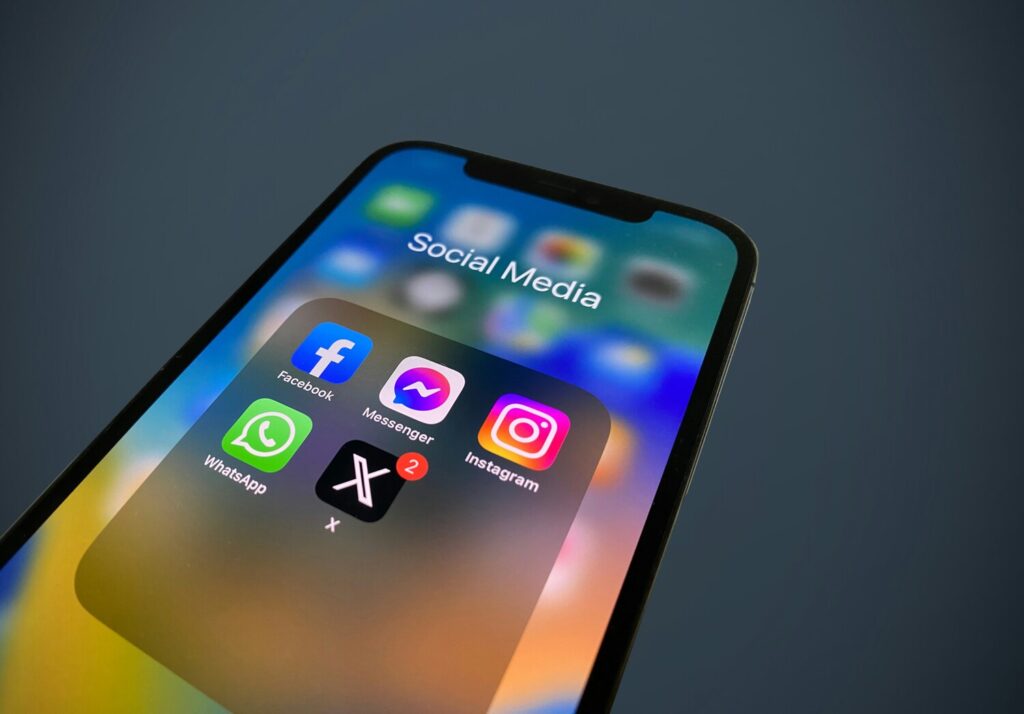
- Twitter/X: This platform is useful for real-time updates and shaping your brand voice. It allows you to share timely content, promotions, and participate in ongoing conversations, helping your business stay relevant and visible.
Food and Social Media Platforms
Social media strongly influences what people eat by shaping food choices, trends, and dining behavior. Platforms like TikTok and Instagram drive discovery through short-form videos and visually appealing content, often replacing traditional sources such as cookbooks. Viral trends and formats like “What I Eat in a Day” quickly normalize certain eating habits and inspire users to try new recipes or diets.
Visual appeal plays a key role, with aesthetic presentation often prioritized to capture attention. Hashtags and food-focused communities accelerate trend adoption, making food styling and photography essential in modern food culture. This influence extends to restaurants, where many diners base their decisions on social media presence. As a result, businesses design dishes and spaces to be “Instagrammable,” helping boost visibility, foot traffic, and sales.
Influencers and user-generated content further shape consumer behavior by acting as trusted recommendations. Their content often drives real-world actions, from restaurant visits to product purchases, while peer content adds authenticity to decision-making. At the same time, social media broadens culinary exposure, encouraging experimentation with new cuisines and ingredients, though it can also prioritize aesthetics over substance.
Turn Social Media Into a Growth Engine for Your Food Business
Social media is no longer optional for food businesses but a core driver of visibility, customer engagement, and long-term growth. From influencing what people eat to shaping where they dine, it plays a direct role in how your brand is discovered, perceived, and chosen. Businesses that use social media strategically can turn attention into loyalty, and content into consistent revenue.
If you want to elevate your food business with a clear, results-driven strategy, MAVRK Studio can help. From branding and content creation to full-scale social media strategy, we help food and beverage brands turn online presence into real growth.