

Food trucks or mini food van have evolved far beyond their origins, and by 2026, Food truck design is entering a new phase of innovation. At MAVRK Studio, we approach mobile dining through concept-driven design and elevated food experiences that turn everyday service into a standout brand moment.
This next wave isn’t just about serving meals, but it’s about creating immersive, high-impact brand moments on wheels. Below, we highlight five forward-thinking food truck concepts shaping the future of the industry and how strategic design can turn bold ideas into scalable, standout businesses.
1. The Glass Box: Transparent Culinary Experiences

In 2026, transparency becomes a defining factor in food truck design. Glass box food trucks are leading this change and transforming mobile kitchens into fully visible, experience-led environments.
By opening up the entire cooking process, these trucks turn food preparation into a live performance. Customers don’t just order, but they also engage. Watching meals come together in real time builds trust, reinforces quality, and creates a more memorable brand interaction.
The open layout invites natural light, enhances cleanliness perception, and creates a modern, premium feel. With customizable interiors, brands can align the space with their concept while maintaining full visibility.
This isn’t just a design trend, but it’s a strategic innovation toward transparency, experience, and elevated customer connection in the food truck industry.
2. LED Wall Vehicles: Dynamic Digital Branding
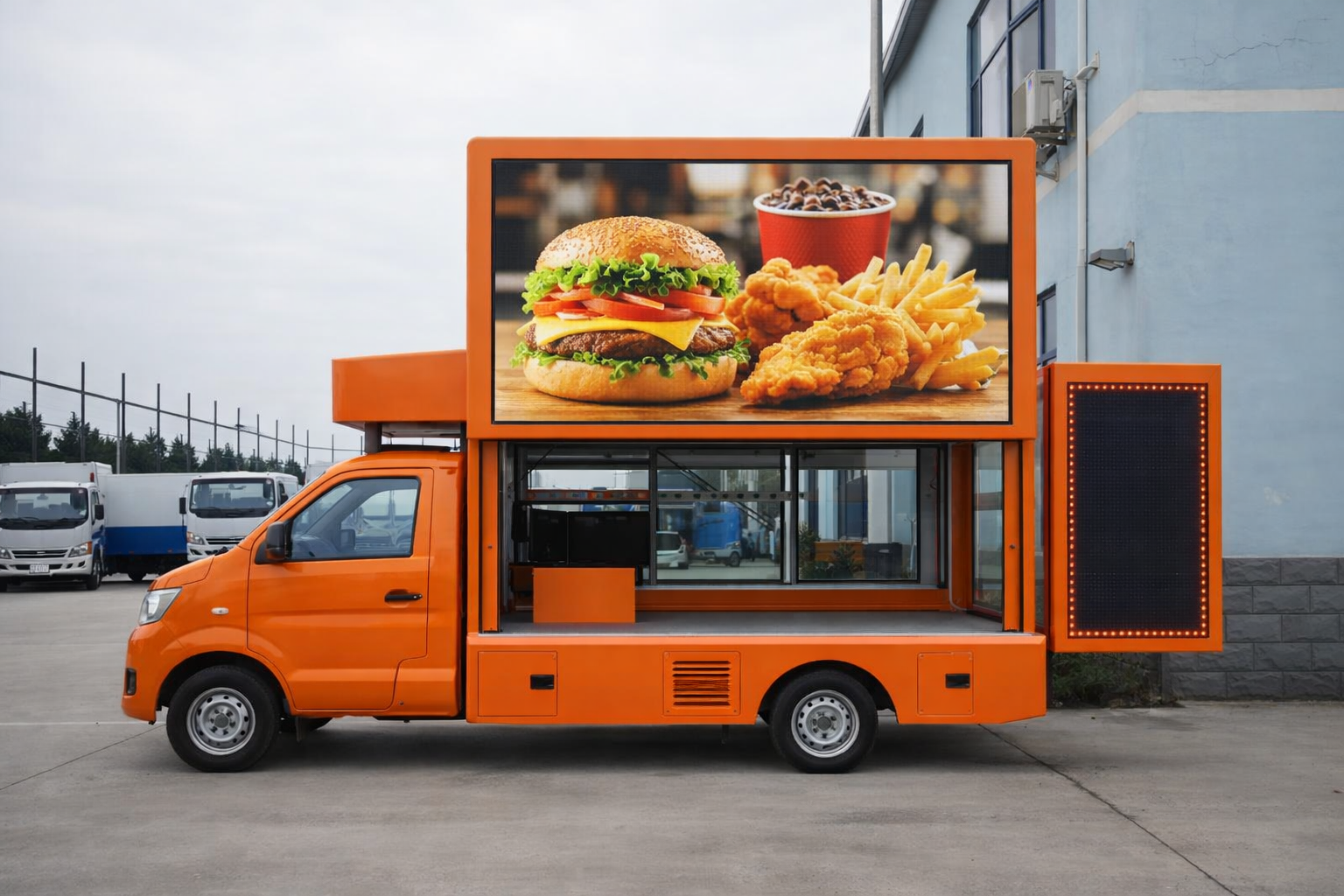
The next evolution of food truck marketing is fully digital. LED wall vehicles transform the exterior of your truck into a high-impact, programmable display that turns every location into a branded moment.
These large-format screens allow you to update menus, promotions, and visuals in real time. Whether showcasing daily specials, customer reviews, or campaign-driven content, the flexibility creates a more agile and responsive brand presence. Visibility remains strong in all lighting conditions, ensuring consistent attention day and night.
Beyond aesthetics, LED integration drives interaction. QR codes, live social feeds, and motion graphics invite engagement and guide customer behavior, especially in high-traffic environments. The result is more than visibility but a scalable, data-driven approach to food truck marketing.
3. Walk-On Experience Trucks: Immersive Culinary Environments
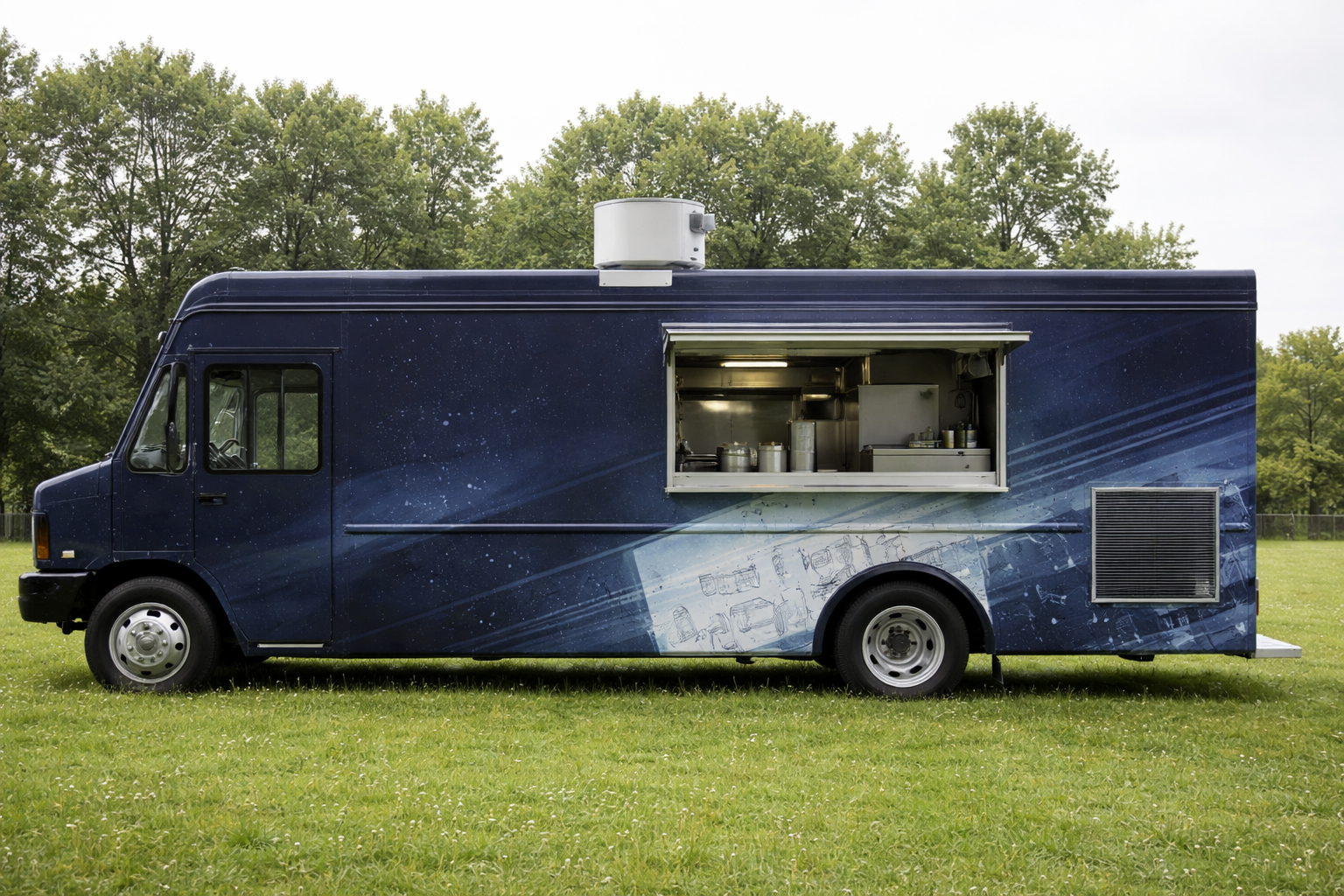
Food trucks are changing from transactional to experiential. Walk-on experience trucks redefine the category by inviting customers inside and blurring the line between street food and curated dining.
These expanded interiors support interactive layouts, from live cooking stations to flexible seating and modular configurations. Customers can observe, participate, or fully immerse themselves in the culinary process, creating a deeper connection with the brand.
This format opens new revenue streams beyond standard service. Private tastings, workshops, branded events, and chef-led experiences turn your truck into a mobile venue. It’s a strategic move toward experiential dining, which is designed to increase engagement, dwell time, and perceived value.
4. Eco-Friendly Electric Food Trucks
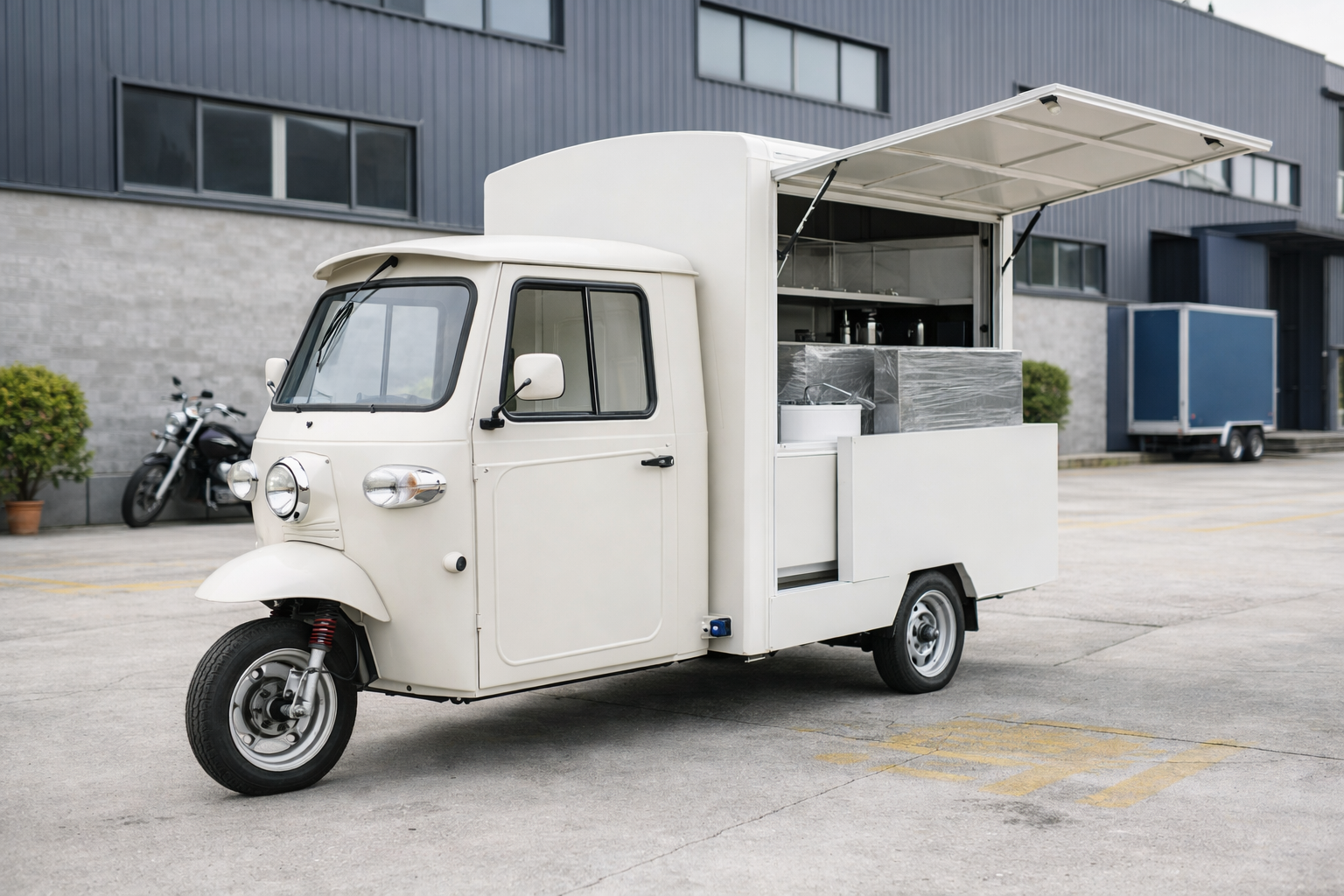
Sustainability is no longer optional but a competitive advantage. Electric food trucks position your brand at the forefront of environmentally conscious dining while meeting evolving regulatory standards.
Zero-emission operation allows access to locations with strict environmental policies, while quieter performance expands opportunities in residential and indoor settings. At the same time, lower operating costs and improved energy efficiency support long-term profitability.
Advancements in battery technology enable longer service hours with minimal downtime, while optional solar integration further reduces environmental impact. Beyond performance, sustainability strengthens brand perception, which appeals to a growing segment of environmentally aware consumers.
5. Multi-Concept Modular Trucks: Adaptable, Revenue-Driven Design
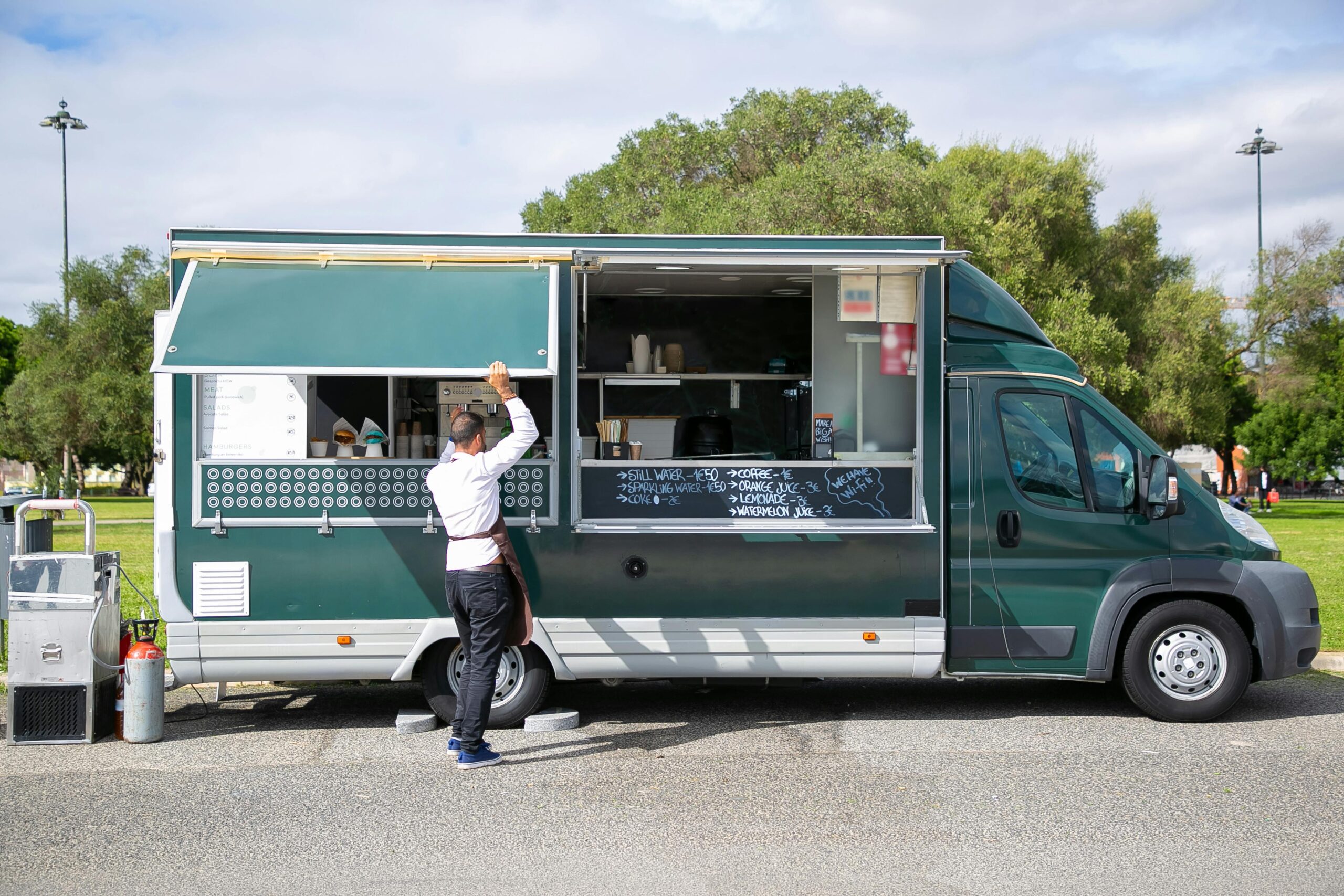
Flexibility is becoming a core advantage in the food truck industry. Multi-concept modular trucks are built to adapt, which allows operators to switch menus, formats, and positioning without investing in multiple vehicles.
Interchangeable kitchen components make it possible to transition concepts within hours. From breakfast service to lunch offerings to evening desserts, a single truck can support multiple revenue streams throughout the day. This level of adaptability reduces risk while maximizing utilization and profitability.
Beyond operations, modularity extends to branding. Swappable exterior elements enable collaborations, seasonal campaigns, and co-branded activations, which unlocks new marketing and partnership opportunities. The result is a scalable, future-ready model that evolves with customer demand and market trends.
How To Make Your Food Truck Website Stand Out Online?
Making your food truck website stand out online isn’t just about having a page, but it’s about using it strategically to attract customers, show off your brand, and make it easy for people to find and choose you. Here’s a clear, practical guide based on what experts and truck owners recommend:
- Build a Clean, Mobile-First Website: Most customers discover your food truck on mobile, your site needs to load fast and work seamlessly. Keep your menu, location, hours, and contact details easy to find, and use strong visuals with consistent branding to drive engagement.
- Make Your Location Instantly Visible: Mobility is your advantage but only if customers can find you. Integrate Google Maps or a live GPS feed to show your real-time location. A dedicated “Where We Are Today” section or updated schedule reduces friction and increases foot traffic. Clarity here directly impacts conversions.
- Leverage Local SEO to Capture Demand: Local SEO ensures you appear when customers search for terms like “food truck near me.” Optimize your site with location-specific keywords, claim and maintain your Google Business Profile, and build credibility through reviews on platforms like Google and Yelp.
- Use Visual Content to Drive Cravings: High-quality food photography is non-negotiable, it sells the experience before the first bite. Complement images with short-form videos, such as behind-the-scenes prep or featured dishes, to add personality and increase engagement. Strong visuals not only enhance your site but also fuel social sharing.
- Enable Easy Ordering and Inquiries: Reduce barriers to purchase by offering online ordering or a simple catering inquiry form. Convenience drives action. Even a clear “Order Now” or “Book Us” CTA linked to a platform or email form can significantly increase conversions.
- Build Trust with Social Proof: Customer testimonials and reviews validate your brand. Highlight real feedback, especially with photos or direct quotes, to create authenticity and influence decision-making.
- Define and Share Your Brand Story: Your story differentiates you. Whether it’s your culinary roots, your founder journey, or the inspiration behind your concept, clear and intentional storytelling builds emotional connection. A strong brand narrative turns casual customers into loyal advocates.
- Promote Your Website Across Every Touchpoint: A great website only works if people can find it. Link it across your social profiles, Google Business listing, and food truck directories like Roaming Hunger. Extend visibility through offline channels like QR codes on your truck, menus, and business cards.
Conclusion: The Future of Food Trucks Is Strategic, Experiential, and Scalable
As we move toward 2026, food trucks are no longer just mobile kitchens but they’re platforms for brand, experience, and growth. These five concepts reflect a broader shift toward design-led innovation, operational flexibility, and customer-centric experiences.
At MAVRK Studio, we bring these ideas to life through custom-built solutions that align with how modern food brands operate and scale. Whether you’re launching a new concept or evolving an existing one, the right design can define your trajectory.
If you’re ready to build a food truck that does more than serve, one that differentiates, engages, and grows your business, MAVRK Studio is your partner in making it happen.