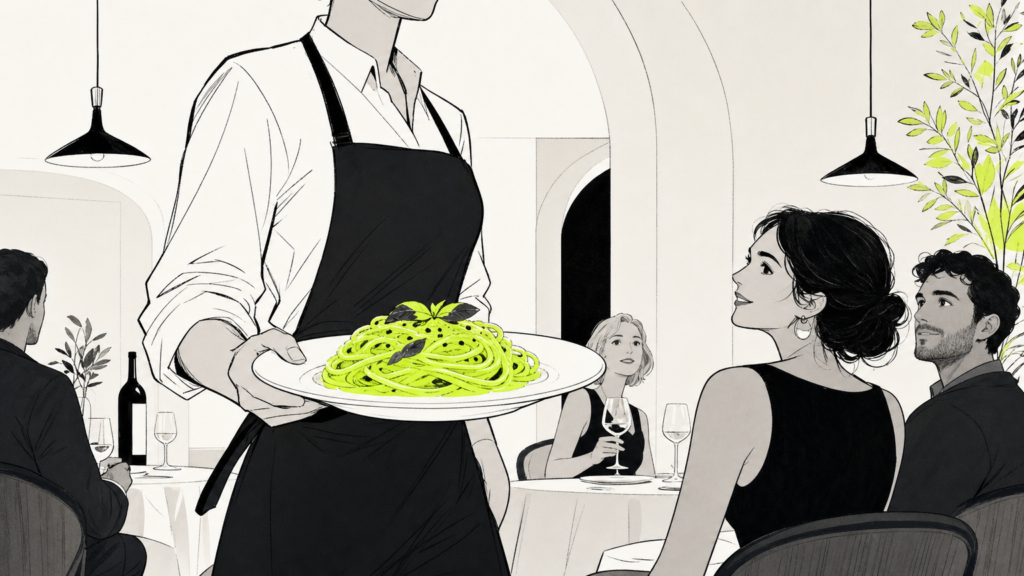



The food service industry spans a wide range of businesses, from fine dining restaurants and quick-service concepts to cafés and corporate cafeterias. Each segment competes in a fast-moving market where brand visibility and customer loyalty are critical.
Despite strong industry growth, operators face real pressures. Inflation, shifting consumer confidence, and ongoing staffing shortages continue to challenge profitability and operations. Yet with the right marketing for food service, businesses can still build demand, strengthen their brand, and stay competitive.
In these blog, we’ll break down what effective food service marketing looks like, why it matters, the trends shaping its future, and the challenges and advantages that come with implementing the right strategies.
What is Marketing for Food Service?
Marketing for food service is the process of promoting and selling food and beverage products to businesses that serve meals outside the home, such as restaurants, cafés, and bars. The strategy focuses on understanding consumer buying behavior in dining environments and aligning marketing efforts with how people choose where and how they eat.
When executed well, food service marketing strengthens brand visibility, attracts the right customers, and drives consistent demand. Here are innovative food marketing approaches.
- Pop-Up Experiences: Pop-up restaurants create buzz while allowing brands to test new concepts without long-term commitments. A well-known example is the Museum of Ice Cream, which started as a temporary installation in New York and quickly gained viral attention, eventually expanding into permanent locations.
- Collaborations and Cross-Promotions: Partnering with other brands helps reach new audiences and create unique offerings. For example, Shake Shack and Momofuku Milk Bar collaborated on the limited-edition “Crack Pie” shake, generating strong social media buzz and increased foot traffic.
- Hyper-Local Marketing: Hyper-local strategies focus on connecting with nearby communities through local ingredients, events, or culturally relevant promotions. Sweetgreen uses this approach by sourcing from local farms and adapting menus to regional tastes.
- Interactive Dining Experiences: Immersive dining concepts help brands deliver more than just a meal. Eataly combines restaurants, retail, and culinary events to create an experience centered around Italian food culture.
- Virtual Cooking Classes: Virtual classes allow brands to engage customers at home while showcasing culinary expertise. The Cheese School of San Francisco successfully launched online tasting and pairing sessions with curated kits delivered to participants.
Marketing for Food Service Ideas
Effective food service marketing ideas help hospitality brands attract new customers while keeping existing ones engaged. By combining community involvement, social media visibility, and seasonal promotions, food businesses can build stronger connections and drive consistent traffic.
Leverage Local Community Engagement
Strong community connections can significantly strengthen a food service brand. Hosting events such as food tastings, charity fundraisers, or cooking classes helps create meaningful relationships with local audiences.
Offering discounts to nearby businesses or sponsoring neighborhood events also builds goodwill and loyalty. When your restaurant becomes an active part of the community, customers are more likely to support and advocate for your brand.
Harness Social Media and Influencers
Social media is one of the most effective tools for food service marketing. Platforms like Instagram, TikTok, and Facebook allow restaurants to showcase dishes, promote events, and interact directly with customers.
Collaborating with local influencers or food bloggers can expand reach and introduce your brand to new audiences. Consistent visual content, interactive campaigns, and responsive engagement help strengthen your online presence and drive more visits.
Embrace Seasonal and Limited-Time Offers
Seasonal menus and limited-time promotions create excitement while encouraging repeat visits. Introducing special dishes tied to seasons, holidays, or local ingredients keeps the menu fresh and gives customers a reason to return.
Promoting these offers through social media and email marketing can amplify visibility and increase customer engagement.
How Can Food Marketing Strategies Be Adapted For Social Media?
Food marketing strategies translate extremely well to social media when brands focus on strong visuals, real engagement, and targeted promotions. Here are practical ways to make them work effectively:
1. Create Visually Irresistible Content
Food is inherently visual, making high-quality photos and short-form videos essential. Use bright images and dynamic clips of dishes, preparation, plating, or behind-the-scenes moments.
- Visually appealing food content attracts more likes and shares.
- Reels and Stories often reach wider audiences than static posts.
2. Build Engagement and Community
Social media works best as a two-way conversation.
- Respond quickly to comments, messages, and mentions.
- Use polls, Q&As, and interactive stickers to encourage participation.
- Repost user-generated content from customers who tag your brand or use your hashtag.
3. Collaborate with Influencers and Creators
Partner with food bloggers or micro-influencers whose audiences match your target market.
- Invite them to share reviews, taste tests, or recipe demonstrations.
- Authentic endorsements increase credibility and expand reach.
4. Promote Offers, Contests, and Giveaways
Interactive campaigns can boost engagement and attract new followers.
- Run giveaways that encourage tagging friends or sharing posts.
- Offer exclusive discounts or seasonal promotions for social media audiences.
5. Share Your Brand Story
Audiences connect with brands that feel authentic.
- Highlight your brand’s origins, values, or sustainability efforts.
- Share behind-the-scenes content showing your team and how your food is made.
Challenges in Food Service Marketing
Despite its advantages, food service marketing also comes with several challenges that brands must navigate to succeed:
- Complex Market Structure: The food service industry is highly fragmented, with many decision-makers across restaurants, hotels, catering companies, and institutional kitchens, making it harder to target the right audience.
- Limited Data Availability: Compared to retail, the food service sector often lacks reliable data, which makes market analysis and demand forecasting more difficult.
- Higher Strategic Costs: Accurately estimating market value and developing effective marketing strategies can require significant investment in research, tools, and expertise.
- Understanding End-User Needs: Identifying the needs of chefs, food and beverage managers, and other stakeholders is essential, but gaining these insights can be challenging without strong industry knowledge.
Where Food Service Marketing Is Headed
The future of food service marketing will be shaped by growing demand for sustainability, rising health awareness, and rapid technological innovation. Brands that anticipate these shifts, validate new concepts early, and execute focused marketing campaigns will be better positioned to stay competitive.
Leveraging tools such as food intelligence platforms can provide deeper market insights, enabling brands to test ideas, reduce risk, and make smarter strategic decisions.
Building Smarter Food Service Marketing With Data
Marketing for food service today requires more than creative promotion, it demands strategic insight backed by data. As competition intensifies and consumer behavior continues to evolve, brands must rely on real insights to guide decisions, refine campaigns, and identify opportunities for growth.
By combining strong brand strategy, community-driven engagement, and data-informed marketing, food service businesses can build deeper customer connections and launch campaigns with greater confidence. The brands that succeed will be those that treat data not just as a metric, but as a strategic tool for innovation, smarter positioning, and long-term brand growth.
Looking to elevate your food and beverage brand with smarter marketing strategies? Explore how MAVRK Studio helps food service companies transform insights into impactful campaigns and build brands that stand out in competitive markets.