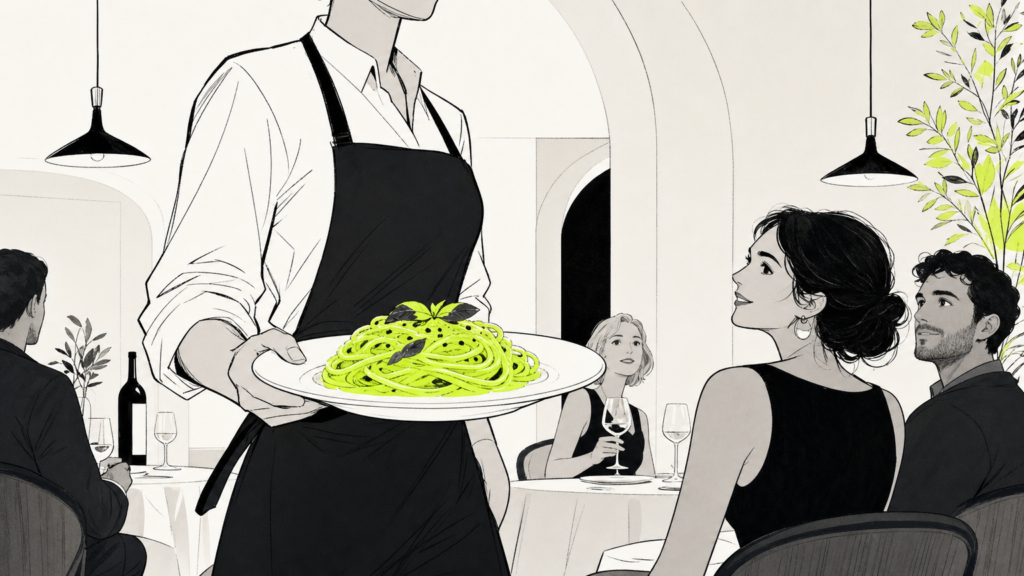


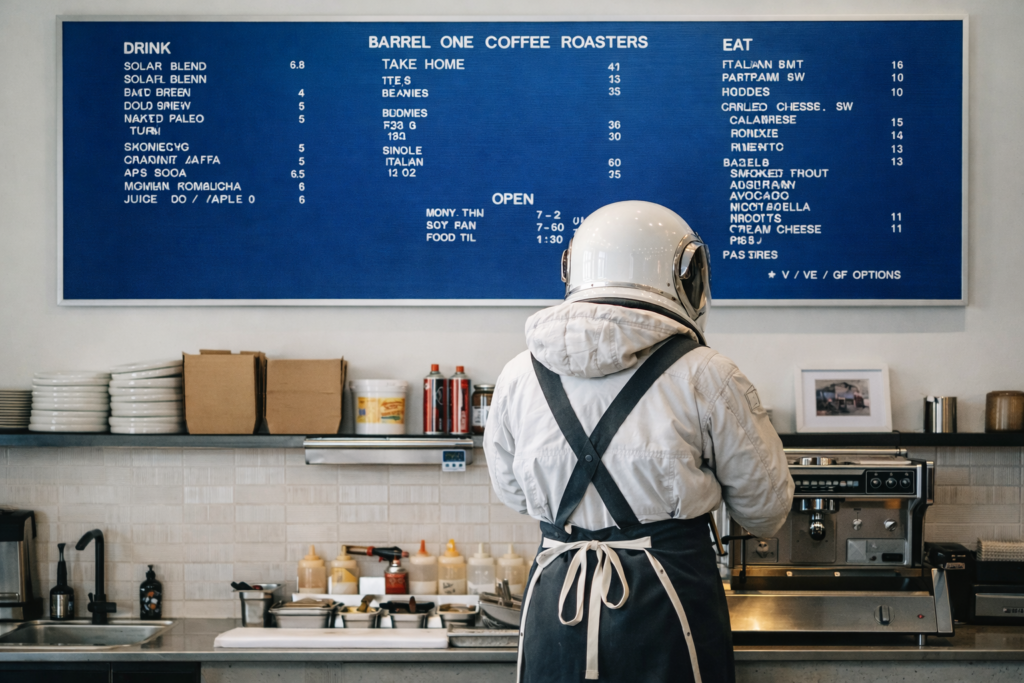
In today’s competitive restaurant industry, customer experience is crucial for brand differentiation. While good food is expected, it’s the experience from greeting, service flow, atmosphere, and brand perception that sets a restaurant apart. Diners remember and return to restaurants that provide consistent and positive experiences that reflect their values.
Every touchpoint, from online ordering to post-visit follow-ups, shapes customer perception. When executed well, customer experience transforms a restaurant into a trusted, connected, and loyal brand.
What is a Restaurant Brand Differentiation?
Restaurant brand differentiation defines why customers recognize your brand and choose it over others. This differentiation is shaped by your concept, menu, service approach, atmosphere, and the values your brand consistently delivers. When done well, it gives customers a clear and compelling reason to dine with you instead of a competitor.
Why Restaurant Brand Differentiation Matters
Restaurant brand differentiation is essential in an industry where many establishments offer similar menus, pricing, and service styles. Without a clear point of difference, restaurants risk becoming interchangeable. A well-defined brand helps customers quickly understand what makes your restaurant unique and why it deserves their attention.
- Gaining Visibility in a Competitive Market: Restaurant brand differentiation creates a distinct brand identity that sets expectations before customers even walk through the door.
- Turning Dining Into a Memorable Experience: A strong brand transforms dining from a basic transaction into a meaningful experience. Signature offerings, thoughtful design, and consistent service all reinforce restaurant brand differentiation. These elements leave a lasting impression that encourages repeat visits and positive word-of-mouth.
- Strengthening Recognition and Customer Loyalty: When customers experience the same quality, tone, and values every time they visit, your brand becomes familiar and reliable. This consistency strengthens restaurant brand differentiation and fosters long-term customer loyalty.
- Reaching the Right Audience: Clear restaurant brand differentiation allows you to attract the audience that aligns with your concept and values. By tailoring your menu, atmosphere, and messaging to specific customer preferences, you create stronger connections and more meaningful engagement.
The Business Value of Brand Differentiation
When customers know and connect with your brand, they are more likely to come back because they know what to expect. Consistency in food, service, and atmosphere builds familiarity, which strengthens long-term customer relationships.
A clearly different restaurant creates trust. Guests return not just for the menu, but for the experience your brand provides. Unique experiences are easier to talk about and recommend. Strong brand differentiation gives customers a clear story to share, whether through personal recommendations or online reviews.
This natural visibility helps attract new guests without relying heavily on paid marketing. When your restaurant stands out, customers focus less on comparing prices and more on the experience you offer.
Effective Strategies for Restaurant Brand Differentiation
Your brand identity, values, and story should work together to create a distinct identity that customers immediately understand. Here are proven strategies that provide direction and ensure consistency across every touchpoint, from marketing to in-store experience.
- Establish a Distinct Restaurant Concept: It guides menu development, service style, and guest expectations. When your concept is clear and intentional, it strengthens brand differentiation and makes your business easier to recognize and remember.
- Build a Cohesive Visual Identity: Visual elements such as your logo, color palette, typography, and interior design should reflect your brand’s personality. Consistent visuals reinforce restaurant brand differentiation by creating familiarity and trust before customers even sit down to dine.
- Introduce Signature Menu Items: Signature dishes give customers a clear reason to choose your restaurant. These items should align with your brand identity and offer something distinctive that guests cannot easily find elsewhere.
- Design an Atmosphere That Reflects Your Brand: A thoughtfully designed environment enhances the dining experience and reinforces your brand’s positioning, strengthening restaurant brand differentiation through emotional connection.
- Deliver Consistent, High-Quality Service: Service quality is one of the most influential differentiators. Well-trained, attentive staff bring your brand values to life and ensure each guest interaction aligns with your promise.
- Strengthen Your Online and Social Presence: Your website, social media channels, and online reviews often form the first impression. Clear messaging, consistent visuals, and engaging storytelling help extend restaurant brand differentiation beyond the physical location and into digital spaces.
- Connect Through Community Engagement: Local partnerships and community engagement foster trust and authenticity. Collaborating with influencers, partnering with nearby businesses, or hosting local events enhances your brand’s visibility and reinforces its differentiation through genuine connections.
Measuring the Effectiveness of Restaurant Brand Differentiation
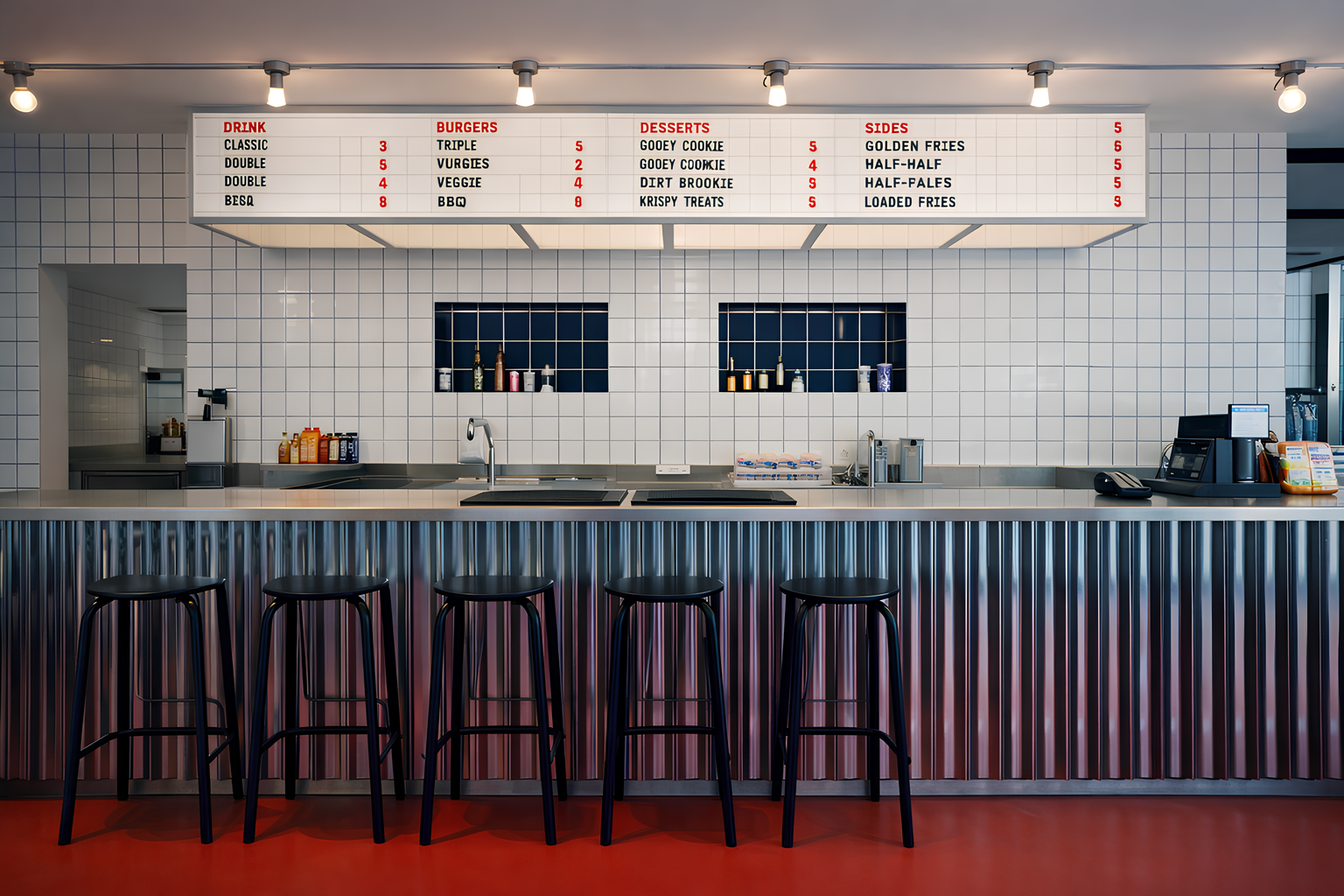
Customer reviews and direct feedback provide immediate insight into how your brand is perceived. Positive comments about experience, service, or atmosphere indicate that your brand differentiation is clear and meaningful to guests.
An increase in returning customers is one of the strongest indicators of effective differentiation. Growing reservation volume and repeat visits show that guests value your brand and are motivated to choose it again.
Social media engagement, brand mentions, and follower growth reflect how well your restaurant connects with its audience. Strong interaction and visibility suggest that your restaurant brand differentiation is memorable and relevant.
Common Challenges to Avoid
Even strong concepts can lose impact if common mistakes undermine brand clarity. Avoiding these issues helps protect your positioning and long-term growth.
Relying Solely on Price Competition
Competing only on price reduces perceived value and limits profitability. Sustainable restaurant brand differentiation is built on experience, quality, and connection and not discounts alone.
Trying to Appeal to Every Customer
Attempting to attract everyone often results in unclear positioning. Effective brand differentiation focuses on serving a specific audience exceptionally well rather than diluting the brand to reach broader appeal.
Inconsistent Branding Across Touchpoints
Inconsistent visuals, messaging, or service experiences confuse customers and weaken trust. Maintaining alignment across all touchpoints is essential for reinforcing restaurant brand differentiation and delivering a cohesive brand experience.
Conclusion: Building Long-Term Success Through Brand Differentiation
Restaurant brand differentiation thrives when strategy and execution align across all customer touchpoints. A clear brand identity, cohesive menus and signage, a well-designed website, and consistent digital presence enhance guest discovery, experience, and recall. Aligning these elements makes your brand more recognizable, trustworthy, and appealing in a competitive market.
Contact MAVRK Studio for creative and marketing support. Brand differentiation goes beyond visuals and into measurable performance. Strategic content, geo-targeted social campaigns, and community engagement transform brand clarity into real results like more reservations, stronger loyalty, and sustained growth. Treat brand differentiation as an ongoing system to build brands that perform as well as they look.